

On a shelf somewhere near you there is a squat, round-shouldered bottle with an elephant embossed on the front. It is a South African cream liqueur called Amarula, and it is made from cream, sugar, and the fruit of a tree. 🌳
That last part is the interesting part. Because most drinks that come from a plant come from a crop — something planted in rows, irrigated, pruned, harvested by machine. The marula is not that. The marula is a wild tree that grows where it likes across the southern African bush, and every year, for a couple of months, an enormous number of people walk out into that bush and pick its fruit up off the ground by hand.
Meet the tree
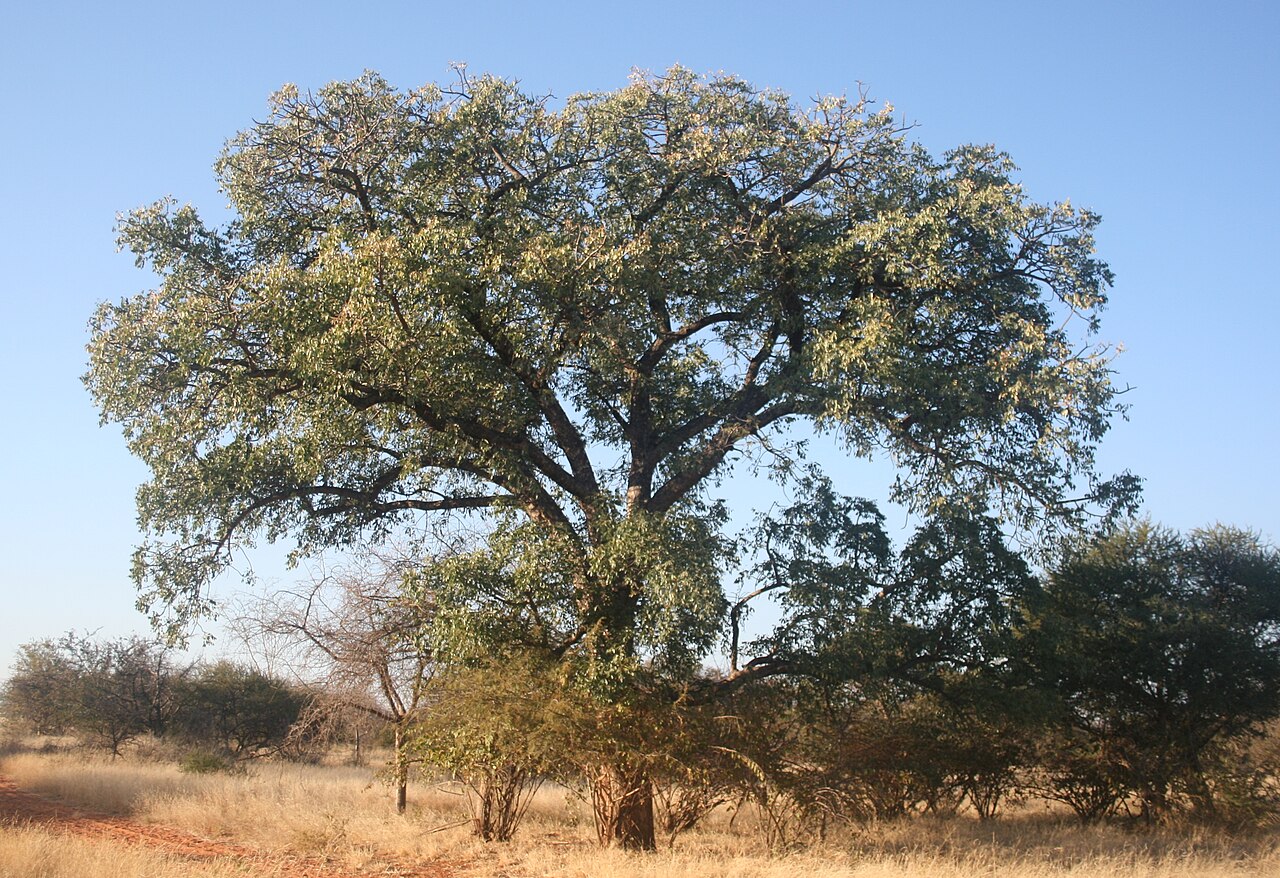
The marula’s proper name is Sclerocarya birrea, which is Ancient Greek for roughly “hard nut” — sklērós, hard, and káryon, nut — a reference to the stubborn stone at the centre of the fruit. It belongs to the family Anacardiaceae, which makes it a botanical cousin of the mango, the cashew, the pistachio and the sumac. Once you know that, the fruit makes a lot more sense: it really is a small, tart, tropical stone fruit.
It’s a medium-sized deciduous tree with a single trunk, a wide spreading crown, distinctive mottled grey bark, and it can reach about 18 metres tall. It grows across a huge sweep of the continent — the miombo woodlands of southern Africa, the Sudano-Sahelian belt of West Africa, the savanna woodlands of East Africa, and Madagascar. Its spread through Africa follows the Bantu migrations, which is a lovely thing to know about a tree: people liked it enough to carry it with them.
Marulas are dioecious — individual trees are male or female — so only the female trees fruit. And here is the detail that shapes everything else about this story: the fruit falls off the tree while it’s still green, and ripens to yellow on the ground.
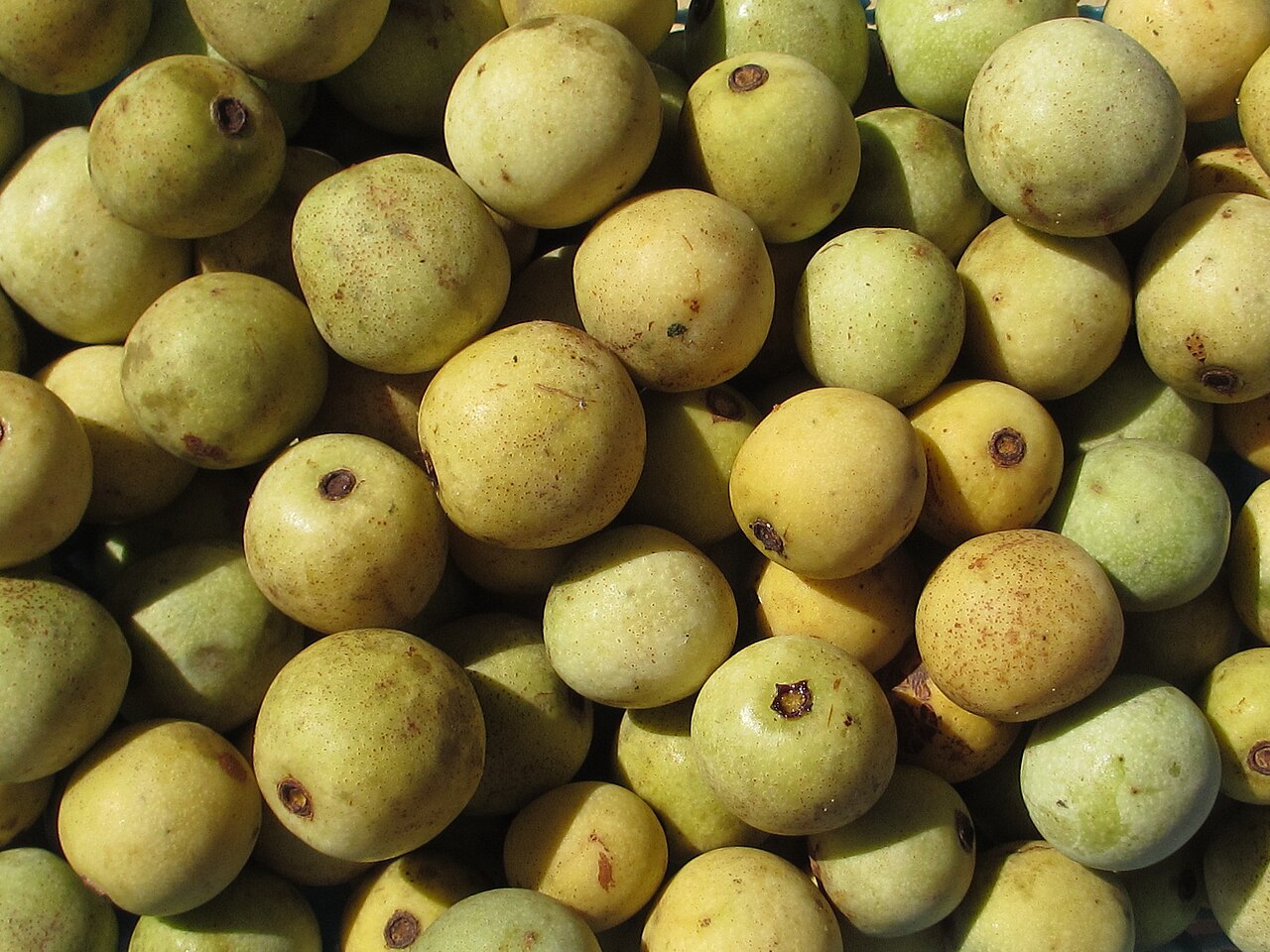
So there is no ladder. No picking pole. No shaking the branches. The tree does the harvesting and gravity does the delivery, and what’s left for people is the pleasant, sociable, back-bending work of gathering it all up.
The harvest belongs to everybody
Because marula trees mostly grow wild on communal land rather than on plantations, the fruit is collected from the wild by members of the rural communities whose land the trees stand on. The season is short — the fruit ripens roughly February into March, sometimes stretching to April — so the whole thing happens in a two-to-three-month rush.
And in that short window it becomes something genuinely important: a real, reliable source of income for rural households, and especially for women, who do much of the gathering and processing. A tree nobody planted, on land nobody had to clear, paying out once a year to whoever shows up with a bucket.
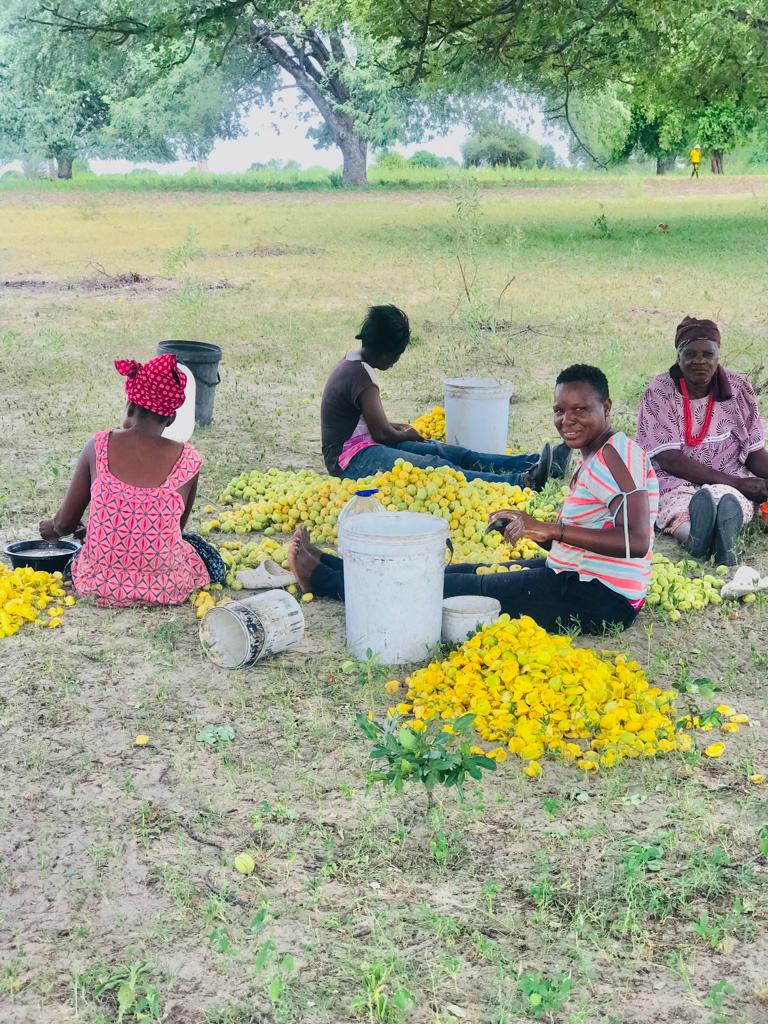
Almost nothing gets wasted. The pulp and juice become drinks. The hard stone inside is cracked open for an edible kernel that some communities rely on as a winter staple. The kernels also press into marula oil — odjove in Namibia — which is both a cooking oil and a skin moisturiser. In South Africa the marula is a protected tree, which is a nice formal way of saying: this one is worth more standing up.
The drink with the elephant on it
The commercial chapter is fairly recent. A marula spirit was launched in 1983, and the cream liqueur we know as Amarula was first marketed in September 1989 by the Southern Liqueur Company. It’s a cream liqueur at 17% ABV — an adult drink, plainly, and we’ll leave it at that — with a taste usually described as a soft, fruity caramel. The brand passed to Distell, and in 2023 Heineken Beverages acquired Distell and with it Amarula. It travelled surprisingly far: Brazil, of all places, became one of its biggest markets.
The elephant on the label isn’t just decoration either. Because of the tree’s long association with elephants, the makers adopted one as the brand symbol and put money into elephant research — co-funding the Amarula Elephant Research Programme, launched in 2002 under Professor Rob Slotow at the University of KwaZulu-Natal, studying elephant movement, behaviour and habitat.
About those drunk elephants
Here is the story everyone has heard: elephants gorge on fallen marula fruit, the fruit ferments in the sun (or in the elephant), and the elephants get merrily, staggeringly drunk. It’s in travelogues, in the tourist trade, in the popular press. It got its biggest boost from a 1974 film, Animals Are Beautiful People, which showed elephants, warthogs, ostriches and baboons apparently reeling around after a marula binge.
It’s a wonderful story. It is also, as far as anyone can actually demonstrate, not true — and the way researchers worked that out is my favourite part of this whole post.
In 2006, Steve Morris, David Humphreys and Dan Reynolds published a paper in Physiological and Biochemical Zoology with the magnificently blunt title “Myth, marula, and elephant.” They did the arithmetic. Scaling up from human physiology, a 3,000 kg elephant would need to put away somewhere between 10 and 27 litres of 7% ethanol in a short space of time before its behaviour was visibly affected. Then they modelled the best case in the elephant’s favour — generously assuming marula fruit could reach 3% ethanol, which is already a stretch — and found that an elephant feeding normally might reach about 0.3 g/kg, roughly half the dose required.
They deliberately stacked every assumption toward drunkenness, and the elephants still came out sober. Their conclusion was that the tale probably comes from “humanizing” elephant behaviour — we watch a very large animal move in its own unhurried, swaying way, and our brains happily supply a caption.
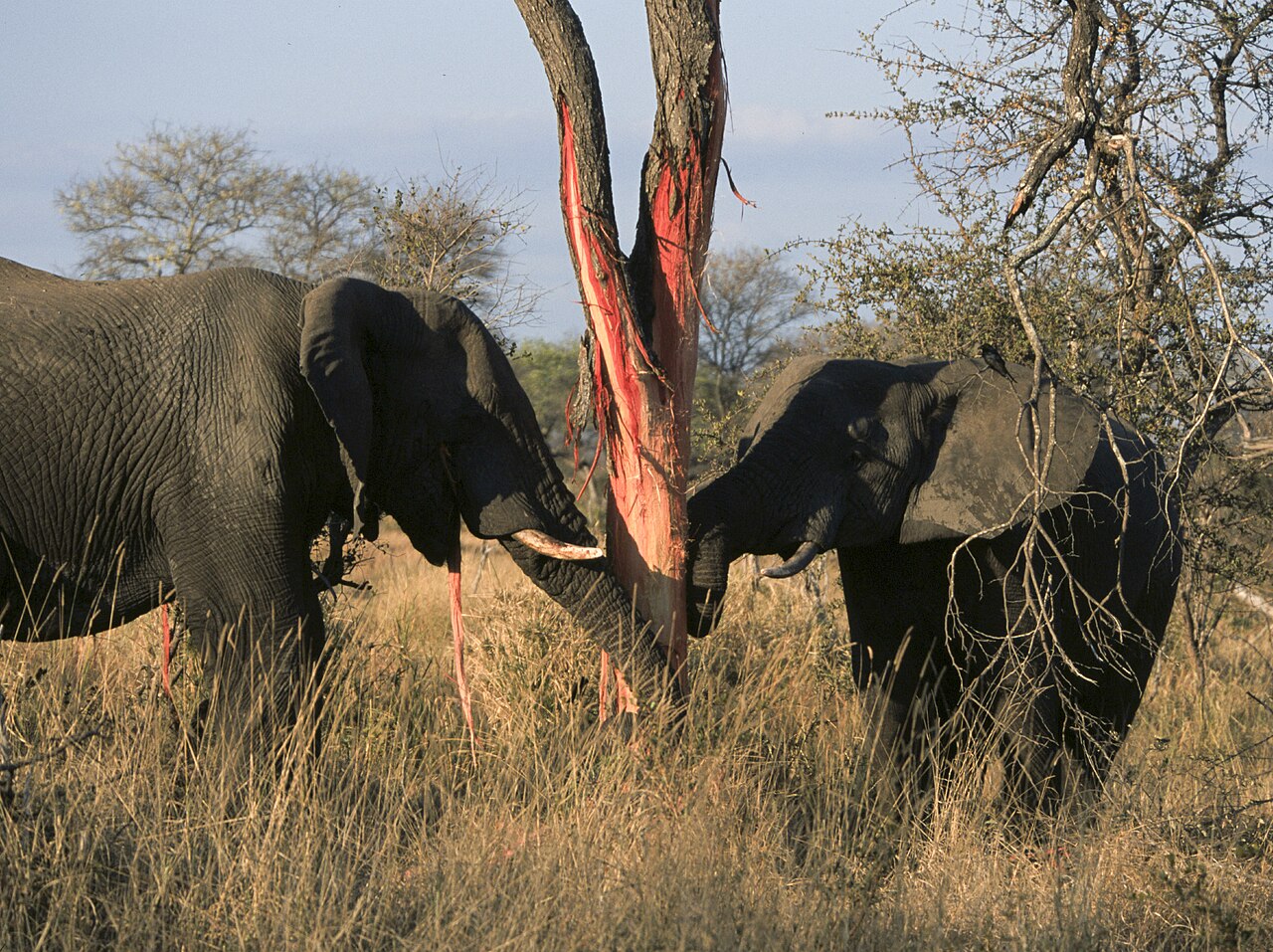
What is true is nicer anyway. Elephants genuinely love marula — they’re major consumers of it, eating the bark, the branches and the fruit, and they browse marula trees so preferentially that you can identify one by the damage. And because they eat the fruit whole, they carry the seeds around and plant them in their dung. The elephants aren’t getting drunk on the marula. They’re spreading it.
A festival made of fruit
The best answer to “what is marula really for” isn’t in a bottle at all. It’s in northern Namibia, where the eight Aawambo communities hold Oshituthi shomagongo, the marula fruit festival — a two-to-three-day celebration between March and April built around omagongo, a drink made from marula fruit.
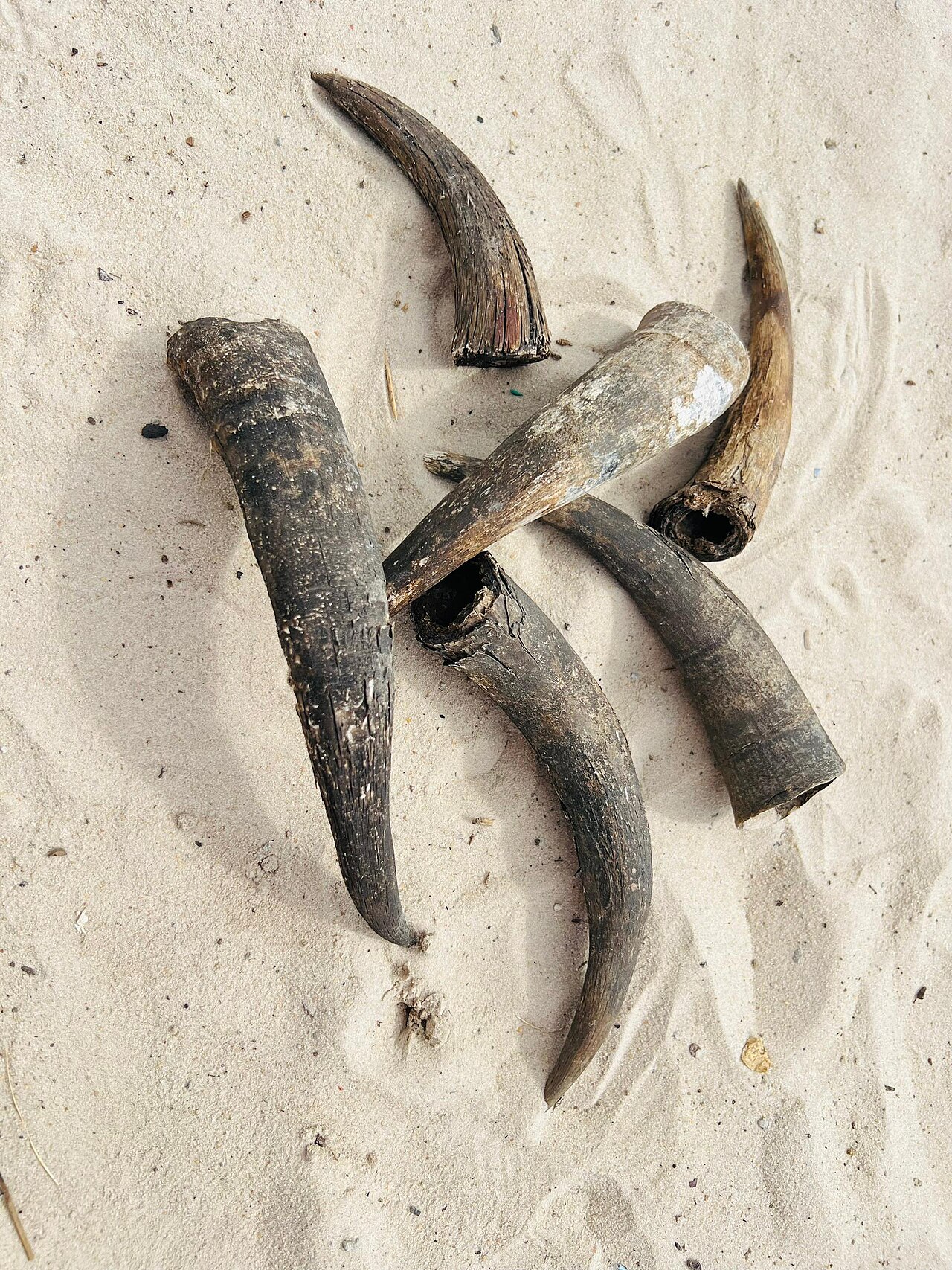
In 2015 UNESCO inscribed it on the Representative List of the Intangible Cultural Heritage of Humanity, and the reason why is in the description: this is a festival that is mostly preparation. Men carve the wooden goblets, the small serving gourds, and the cattle-horn tools for piercing the fruit. Women make the baskets and the clay pots, gather the ripe fruit with the help of the young people, and ferment the juice in clay pots for two to seven days.
And while all of that is happening — this is the line that gets me — they discuss the things that affect them, sing traditional songs, recite poems, and pass on what they know about basketry and pottery. Old and young, doing the work side by side, the skills transmitted informally by watching and joining in. Then everyone eats, and there’s singing and dancing, and the men recite histories.
UNESCO didn’t list the drink. It listed the gathering.
Why this is on a good-news blog
Because it’s a whole economy, a whole culture and a whole ecology hanging off a tree that nobody had to invent.
Somebody, a very long time ago, noticed that a wild tree dropped edible fruit on the ground once a year, and built around that a food, an oil, a medicine, a winter staple, a festival, a household income, and eventually a drink that ships to Brazil. The elephants, meanwhile, had noticed the same tree and were quietly planting more of them the whole time — stone-cold sober, and doing the forestry for free. 🐘
Somewhere in the bush right now there’s a marula tree that nobody planted, dropping fruit that somebody will come and collect, in a season that will end with singing. The world does that kind of thing more often than you’d think. 💛
Got a wild-harvested wonder from your corner of the world? Sign the guestbook and tell us about it. 🌳


