

Some animals meet hardship with teeth. The axolotl meets it with a small, permanent, faintly surprised smile — and then, if it happens to lose a leg along the way, it simply grows a new one and carries on. 🦎
It is a salamander that never grew up, never moved to land, and never stopped grinning. It lives in exactly one wild place on the whole planet, its numbers are frighteningly small, and the people who share a city with it are quietly building it a way back. This is a story about one of the most hopeful little faces in the animal kingdom.
The salamander that stayed young
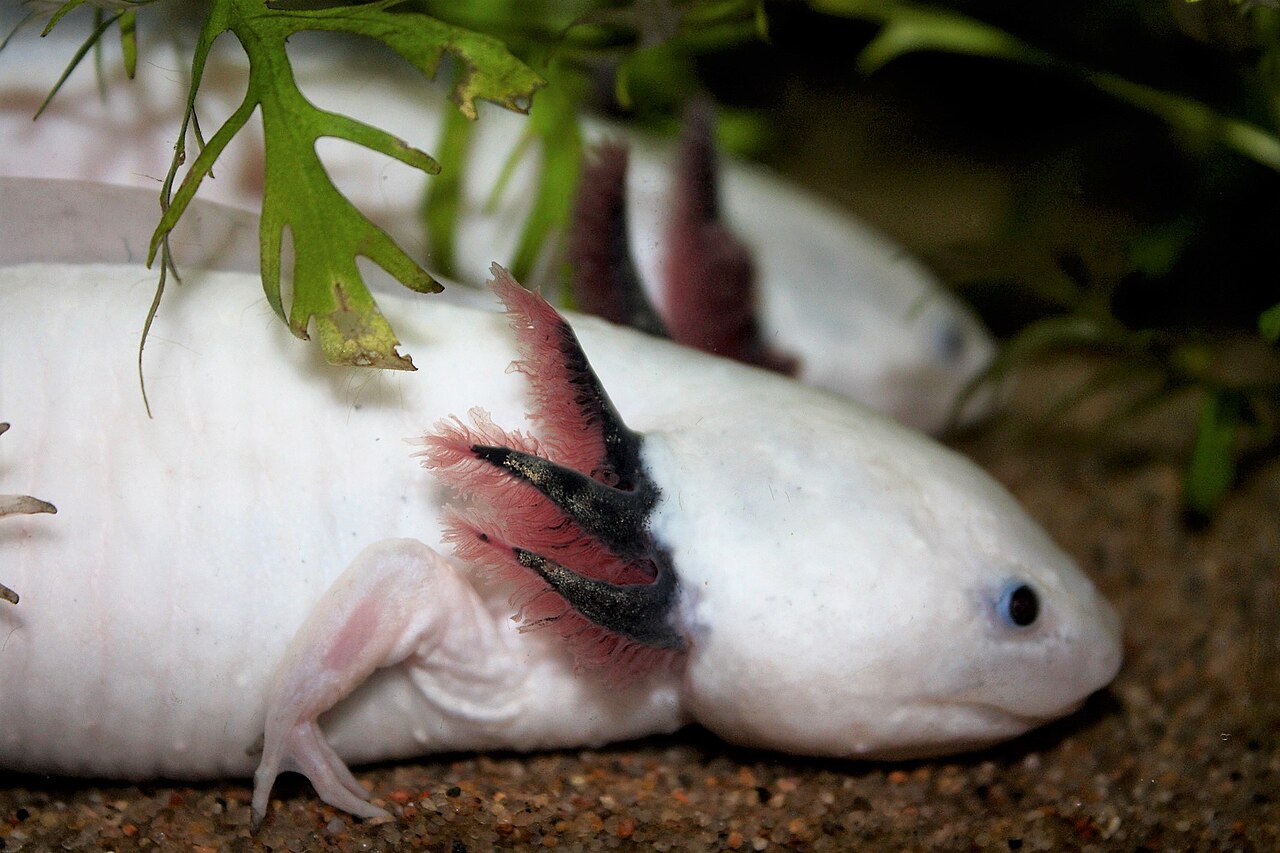
Most salamanders grow up the way frogs do: they start life in the water with gills, then reabsorb them, develop lungs, and crawl out onto land. The axolotl skips the whole ceremony. Through a trait biologists call neoteny, it keeps its juvenile features — including those magnificent feathery external gills that fan out from its head like a lace collar — and stays fully aquatic for its entire life.
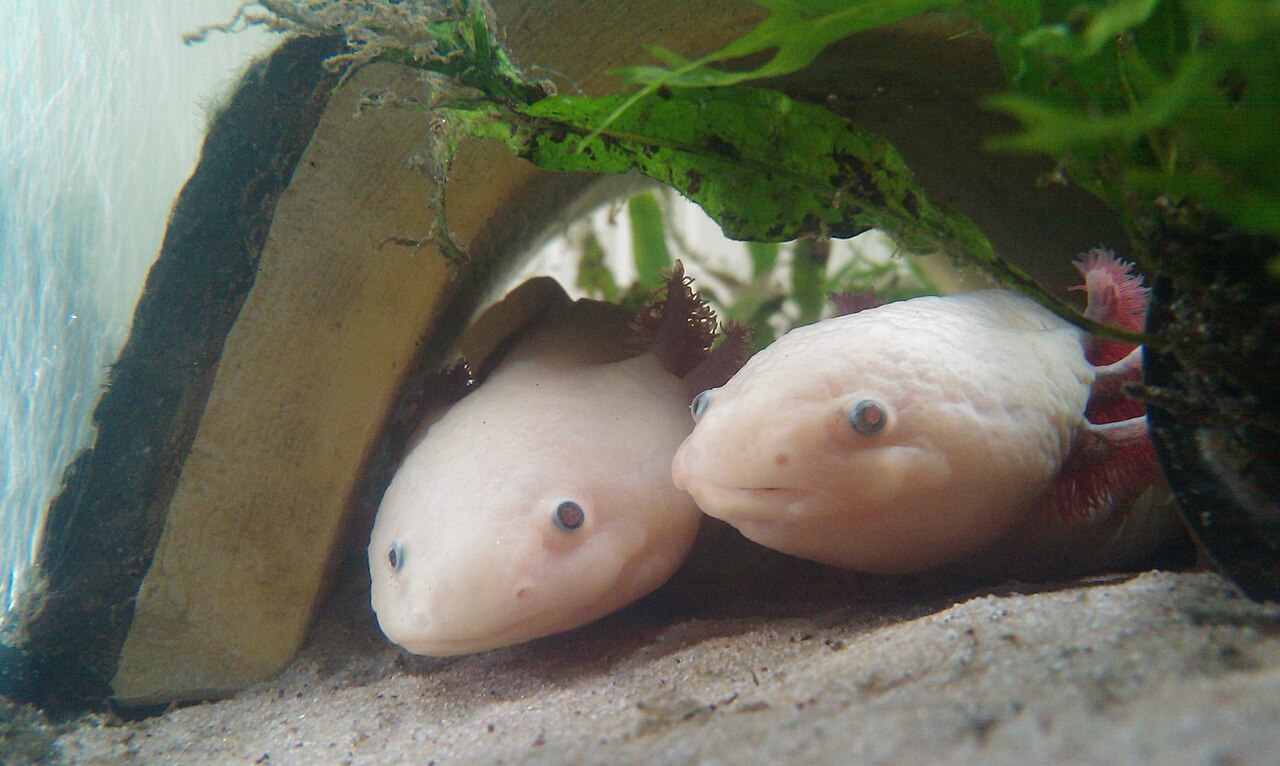
According to National Geographic, these gilled pink salamanders essentially stop aging early and simply remain the water-dwelling, frill-crowned creatures they were born as. The upside for us is that permanent baby face: a broad head, tiny dot eyes, and a mouth that curves gently upward into what is, unmistakably, a smile. 😊
It isn’t happy to see you, of course — it’s a wild amphibian going about its wet, leisurely business. But the shape of its face doesn’t care about the technicality, and neither do you. You smile back. Everyone does.
The regeneration is the part that sounds made up
Here’s where the axolotl stops being merely adorable and becomes genuinely astonishing.
Lose a limb, and it grows back — bones, muscles, nerves, and all. But it doesn’t stop at limbs. Per National Geographic, axolotls can regrow lost or damaged limbs, hearts, spinal cords, and even parts of their brains. And they do it without forming the scar tissue that would stop the process in almost any other animal.
This is why the axolotl is one of the most studied animals in regenerative biology. Researchers are trying to understand how its molecules “talk” to each other to switch regeneration on — the hope being that, someday, the same signals might help human medicine heal wounds and injuries that today leave scars for good. A smiling salamander, quietly holding a clue to healing. 💪
One home, and only one
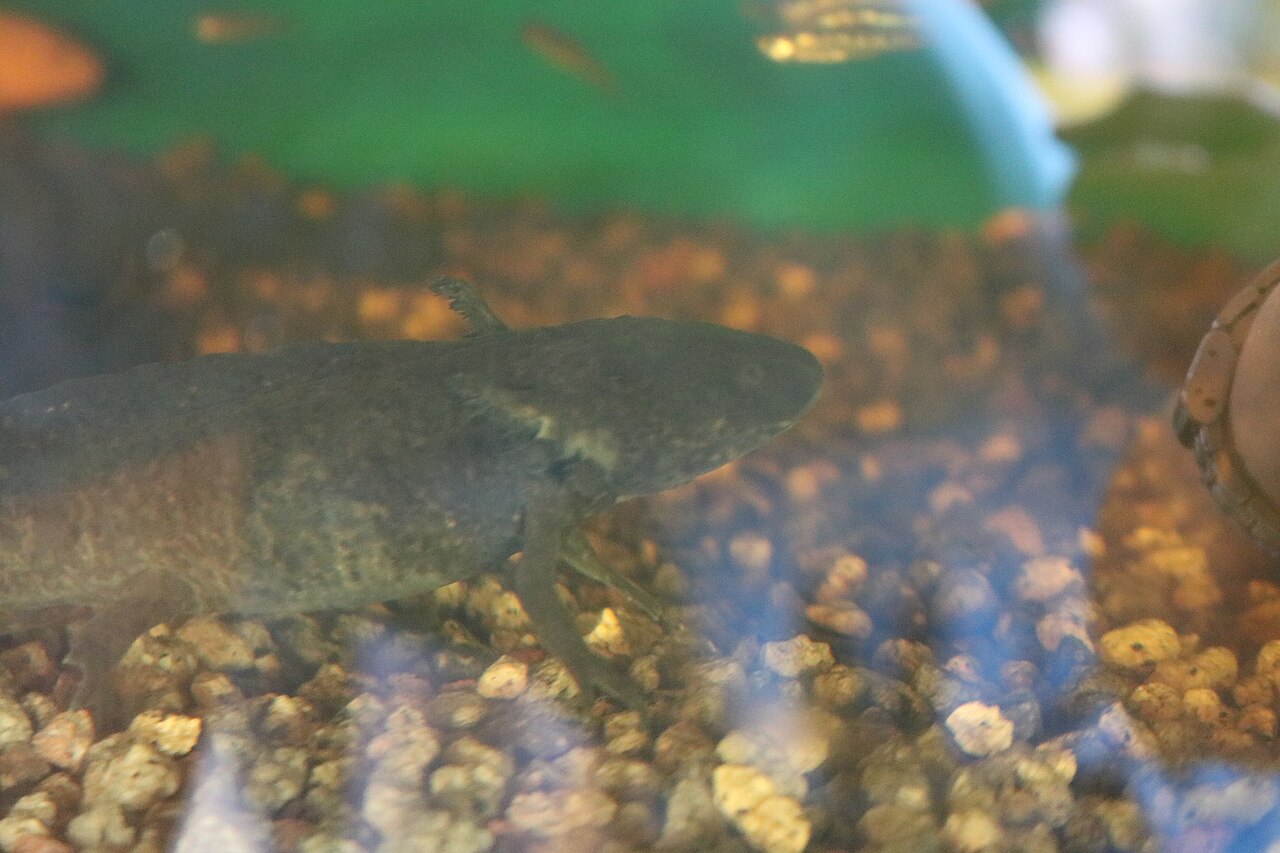
For all its resilience, the axolotl is also one of the most fragile success stories we have — because in the wild, it lives in exactly one place.
That place is Xochimilco, the network of ancient canals and floating gardens just south of Mexico City — the watery remains of the great lake system the Aztecs once built their capital upon. The axolotl breeds there, in Lake Xochimilco and the historic waters of Lake Chalco, and nowhere else on Earth naturally.
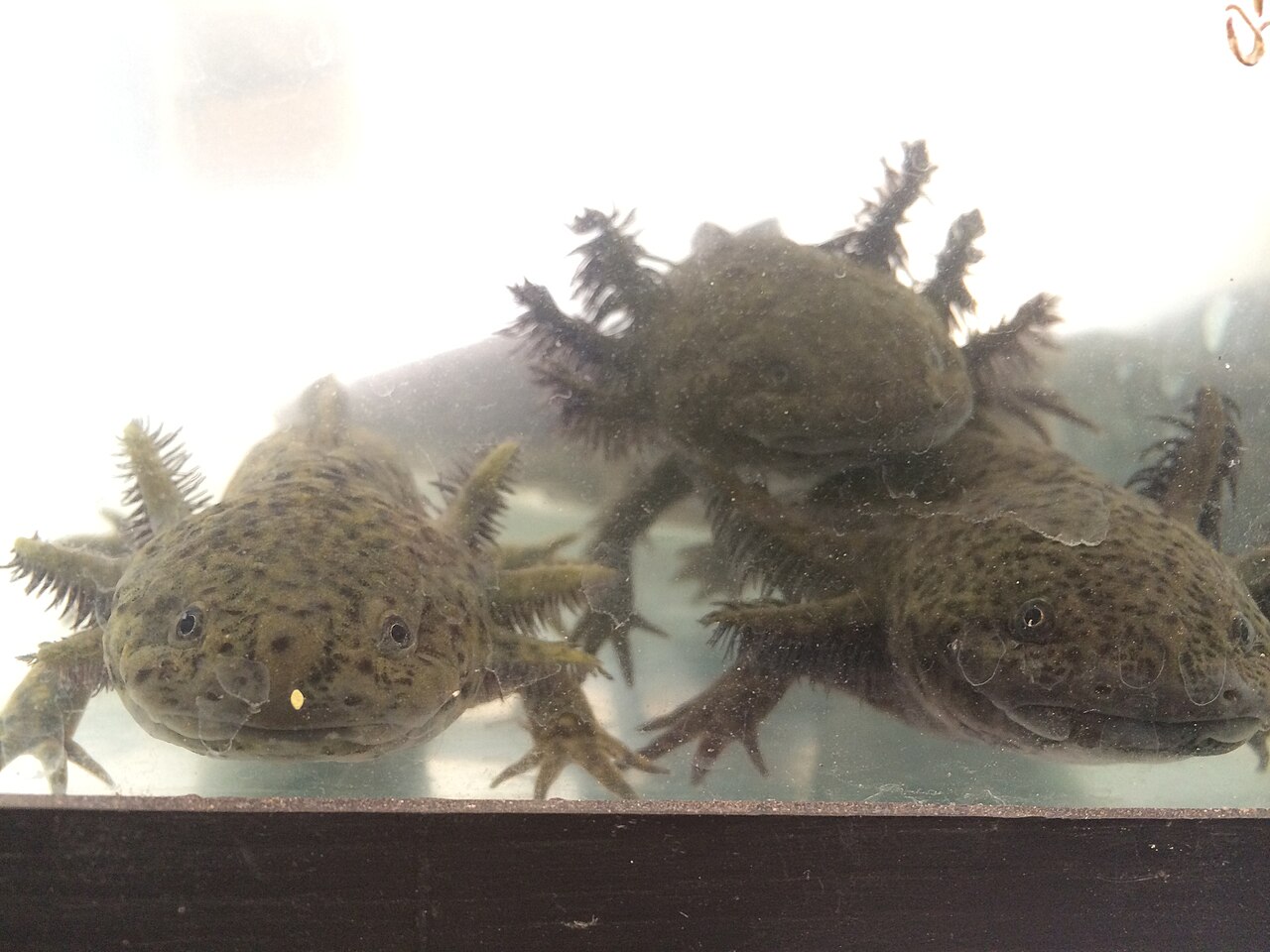
And the numbers are sobering. Conservation International, citing the IUCN Red List, notes that there may be only 50 to 1,000 individuals left in the wild today. Urban expansion, pollution, and invasive fish have put the axolotl’s last wild refuge at serious risk.
That’s the hard part of the story. But it is genuinely not the end of it — because a lot of people decided that this smile was worth saving.
The volcanic-rock refuges
Here is the good news the axolotl earns a spot on this blog for.
In Xochimilco, conservation teams are tackling the animal’s biggest threat — water quality — with a beautifully low-tech idea. They’re installing biofilters built from stacks of volcanic rock and reedy plants, which naturally clean the canal water as it passes through, recreating the kind of habitat an axolotl actually wants to live in. Alongside them, they’re building protected “refuge” zones — quiet, filtered corners of the canals where the salamanders can shelter and, hopefully, breed their way back.
It’s the opposite of a dramatic rescue. It’s patient, hands-in-the-mud, rock-by-rock work: farmers, scientists, and local chinamperos (the traditional canal gardeners) working together to hand the axolotl back the clean water it needs. Stone, reeds, and stubborn hope. 🌱
A god who became a salamander
One last thing to love, because the axolotl’s story is old as well as ongoing.
Its name comes from Xolotl, the Aztec god often depicted with the head of a dog. As the legend goes, Xolotl did not want to be sacrificed, so he hid — transforming himself, at the last moment, into a salamander in the waters of Xochimilco. Axolotl has been read as something close to “water dog” or “water monster.” A creature that turned into an amphibian to survive, still living in the exact waters of the myth, still trying to survive today. The Aztecs, it turns out, chose their symbol well.
Why this lives on a good-news blog
Because the axolotl is a small, grinning argument that fragile and resilient are not opposites.
Here is an animal that can regrow its own heart yet clings to a single stretch of canal. That looks perpetually delighted while living through the loss of nearly all its wild home. And that — right now, this year — is being met not with a shrug, but with volcanic rocks stacked patiently in the water by people who decided its smile was worth the trouble.
It doesn’t need us to be dramatic. It just needs clean water and a little room. And thousands of people are quietly giving it exactly that. 🦎💛


