

Picture a roadhouse at night, somewhere along the Eyre Highway where the Nullarbor is doing its famous impression of nothing at all. There is a semi-trailer parked out front. The driver is inside getting a coffee. And the truck — the whole truck, all of it, sitting there under the lights — is humming.
Not the engine. The engine is off.
Loaded on the flatbed, strapped down in neat stacks on pallets, are beehives. Thousands of them. And inside those boxes are millions of live honey bees who are, at this moment, somewhere in the middle of the single strangest commute of their lives.
They are going to a flower appointment. They cannot be late. 🐝
The deadline is a flower
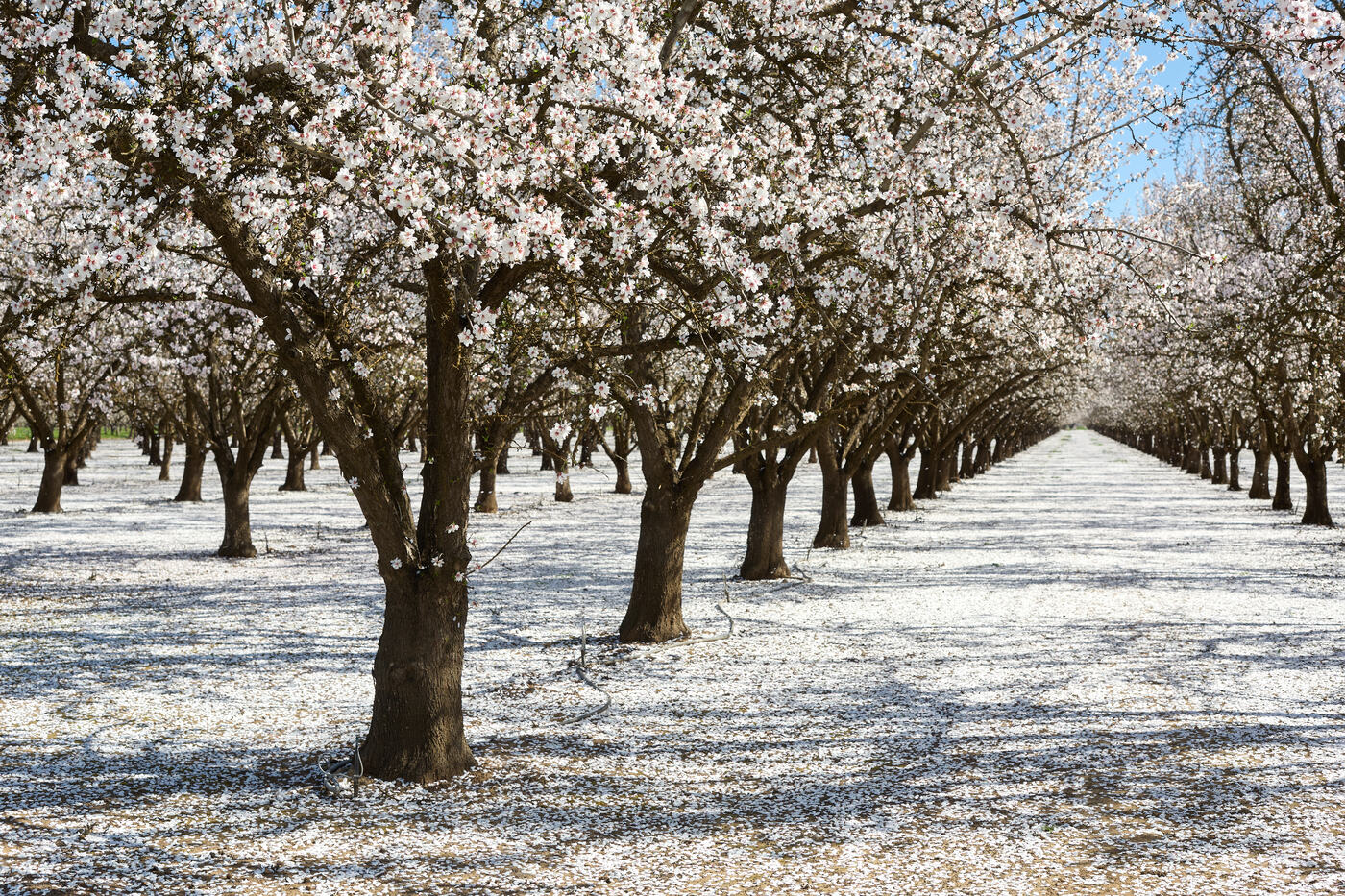
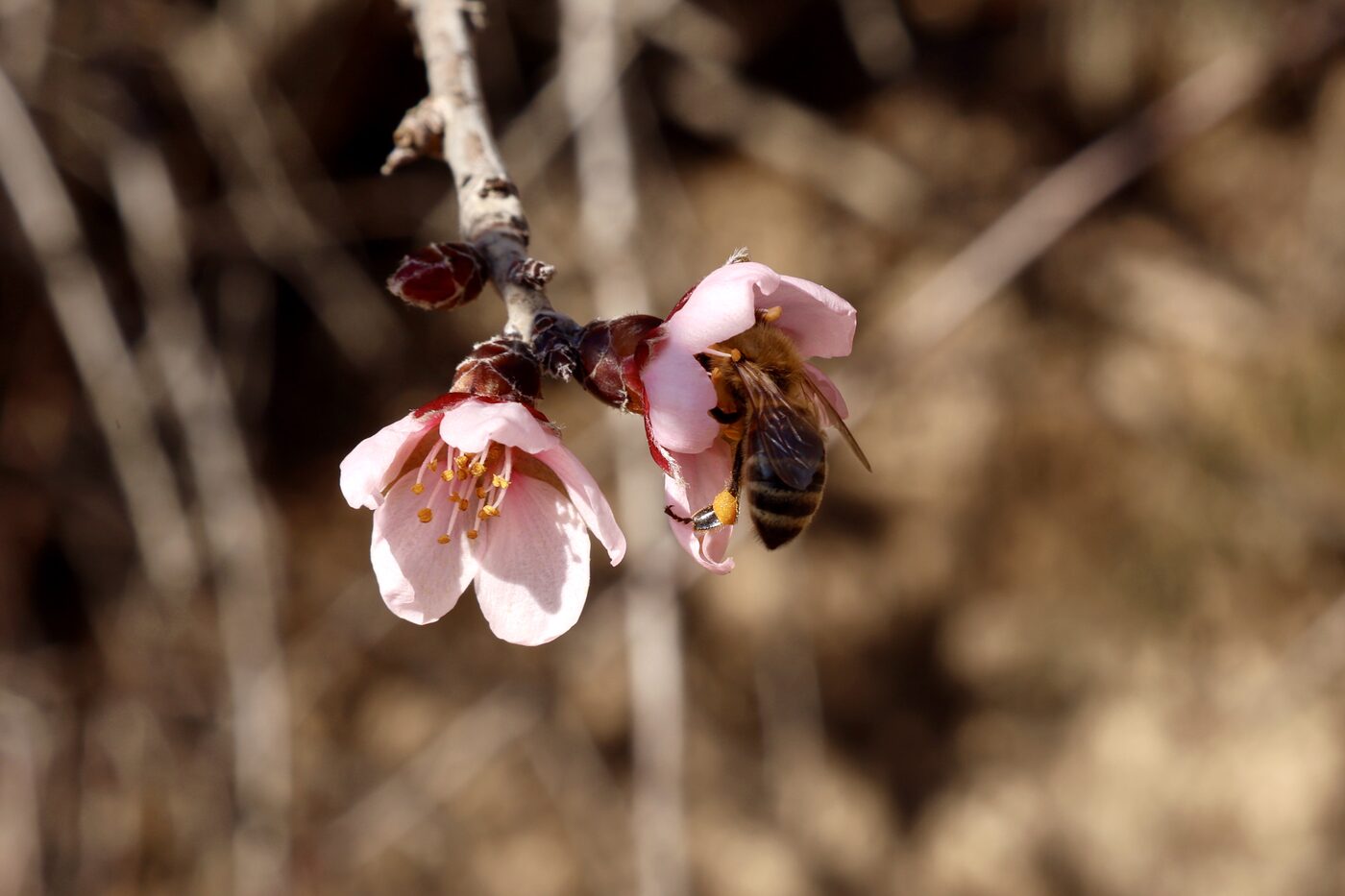
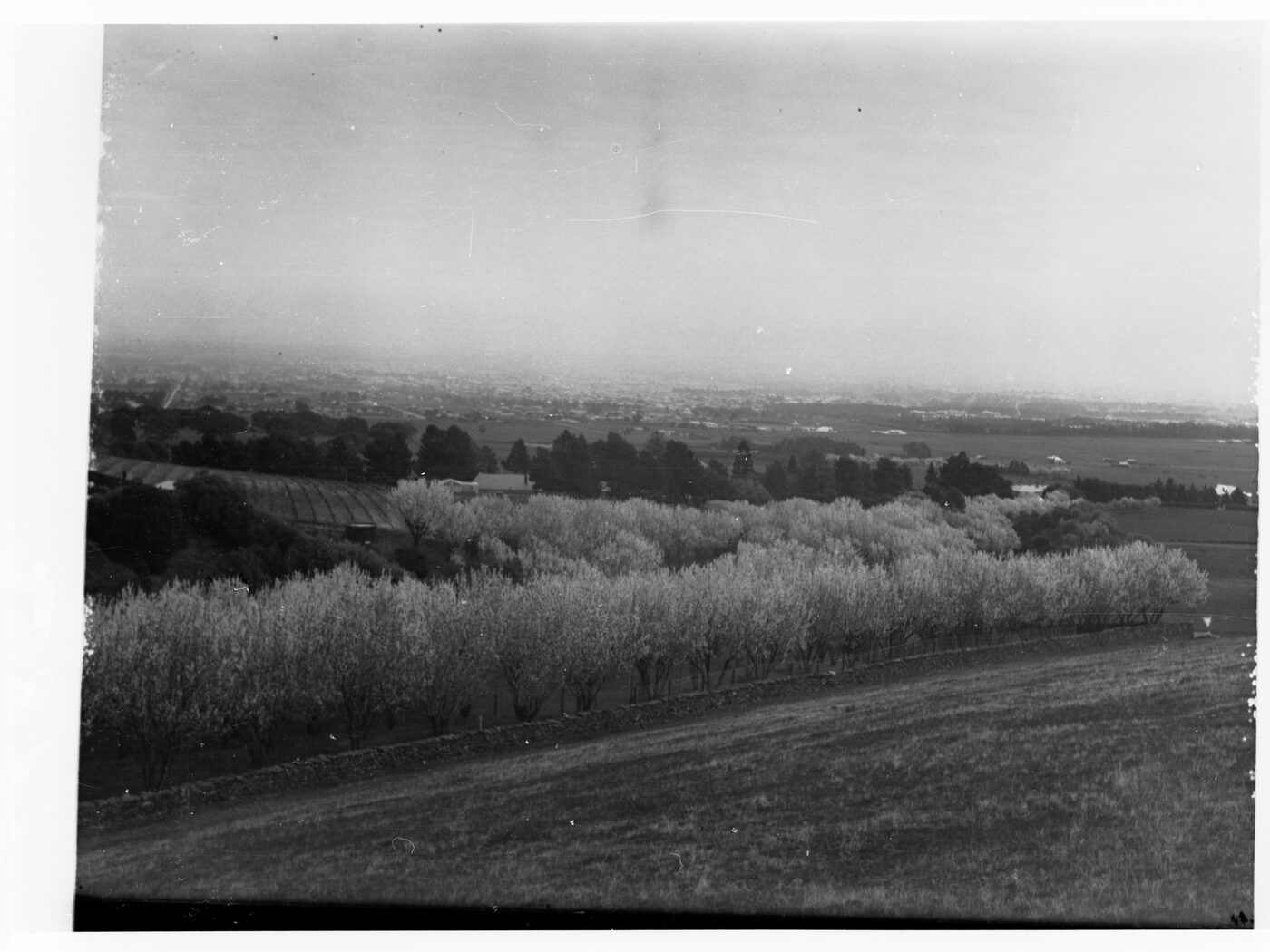
Almond trees do not self-pollinate in any useful way. They are, as the Bee Industry Council of Western Australia puts it, entirely reliant on honey bees — and they bloom for a short, non-negotiable stretch at the end of winter. Pollen has to get from one variety’s flowers to another’s while those flowers are open, and the only practical way to move that much pollen that fast is to park a great many bees underneath the trees.
No bees during bloom means no nuts in autumn. Not fewer nuts. No nuts. The trees will have had their one chance for the year and missed it.
South Australia’s almond industry is worth over $220 million a year, by BICWA’s reckoning. So when the state’s growers realised they were short of hives with the bloom coming, this stopped being an agriculture story and became a logistics story with a stopwatch attached.
Why the shortage: a very small animal
Here is the villain, explained in a clause: varroa mite — a pinhead-sized parasite that clamps onto honey bees, feeds on them, and spreads viruses through the hive as it goes.
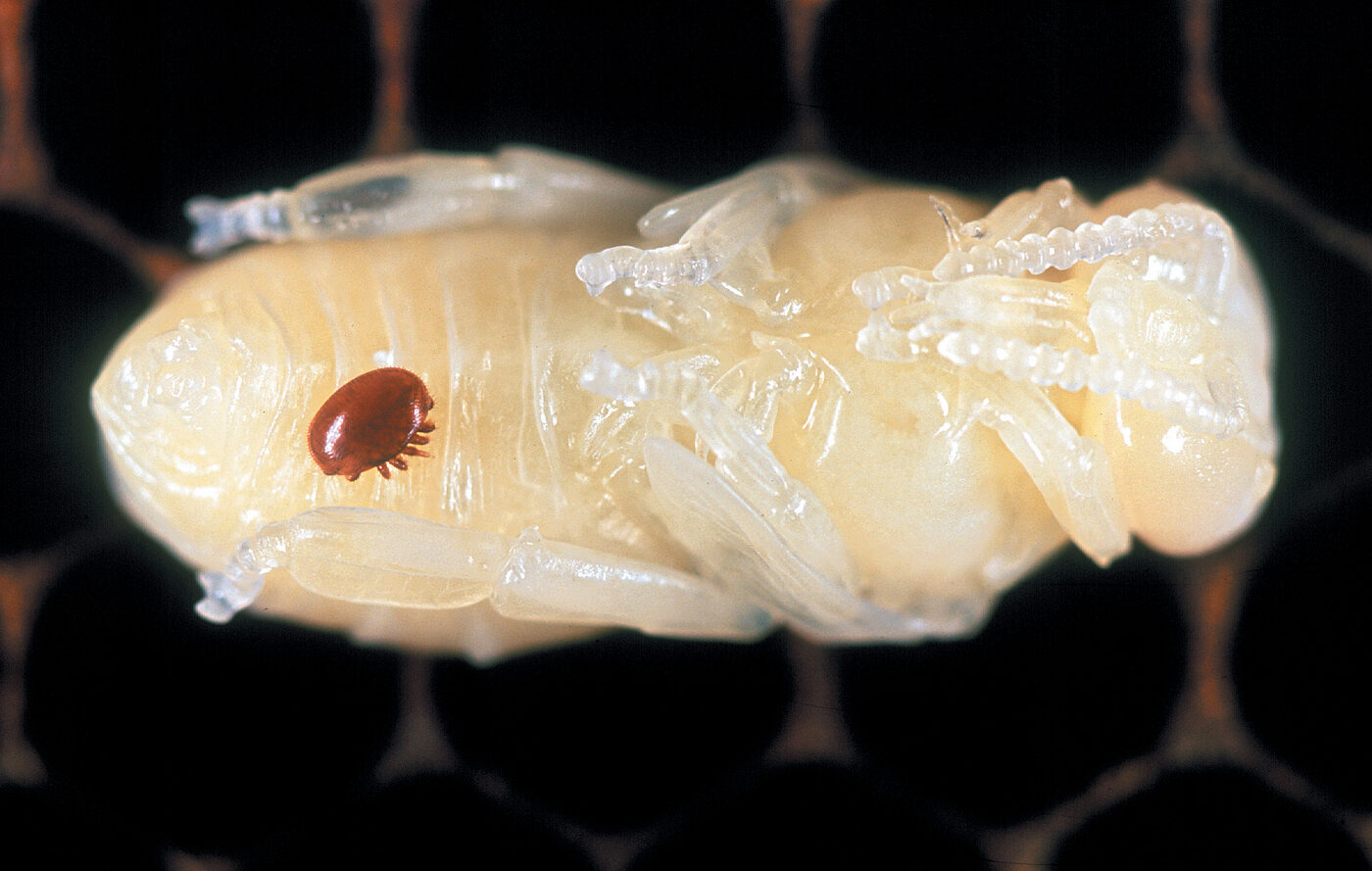
Varroa reached Australia in 2022. BICWA chair Kate Byrne told the ABC that since then it has killed most of the wild honey bees in the eastern states and is now working through managed hives — two different strains of it, one of which shrugs off the usual miticide. Her estimate for this season on the east coast: a shortfall of around 290,000 hives for August pollination. There simply aren’t enough bees over there to go around, and border restrictions meant South Australian growers could no longer just ring up their usual eastern suppliers.
Which left exactly one place to call.
The clean state
Western Australia remains free of varroa mite and many other exotic bee pests and diseases — the WA Government said so in the media statement announcing this shipment, and it is the entire reason the shipment could happen. WA’s bees are healthy, and just as importantly they are certifiably healthy: Department of Primary Industries and Regional Development officers inspected and certified the participating apiaries before a single box went on a truck.
So WA bees are simultaneously precious (they’re clean) and permitted (they’re clean). Being the last unspoiled place turns out to come with a phone that rings.
There is a catch, and it’s a one-way one: hives that leave for the east do not come back. WA’s biosecurity rules are strict in both directions, which is precisely how the state stayed varroa-free in the first place. Every beekeeper who put hives on those trucks was selling them, permanently, into a harder world than the one they grew up in.
The caper
The Bee Industry Council of Western Australia matched buyers to beekeepers. The hives were gathered at three collection points — Donnybrook, Gingin and Esperance — which, if you glance at a map of WA, are scattered across a chunk of country roughly the size of a medium European nation.
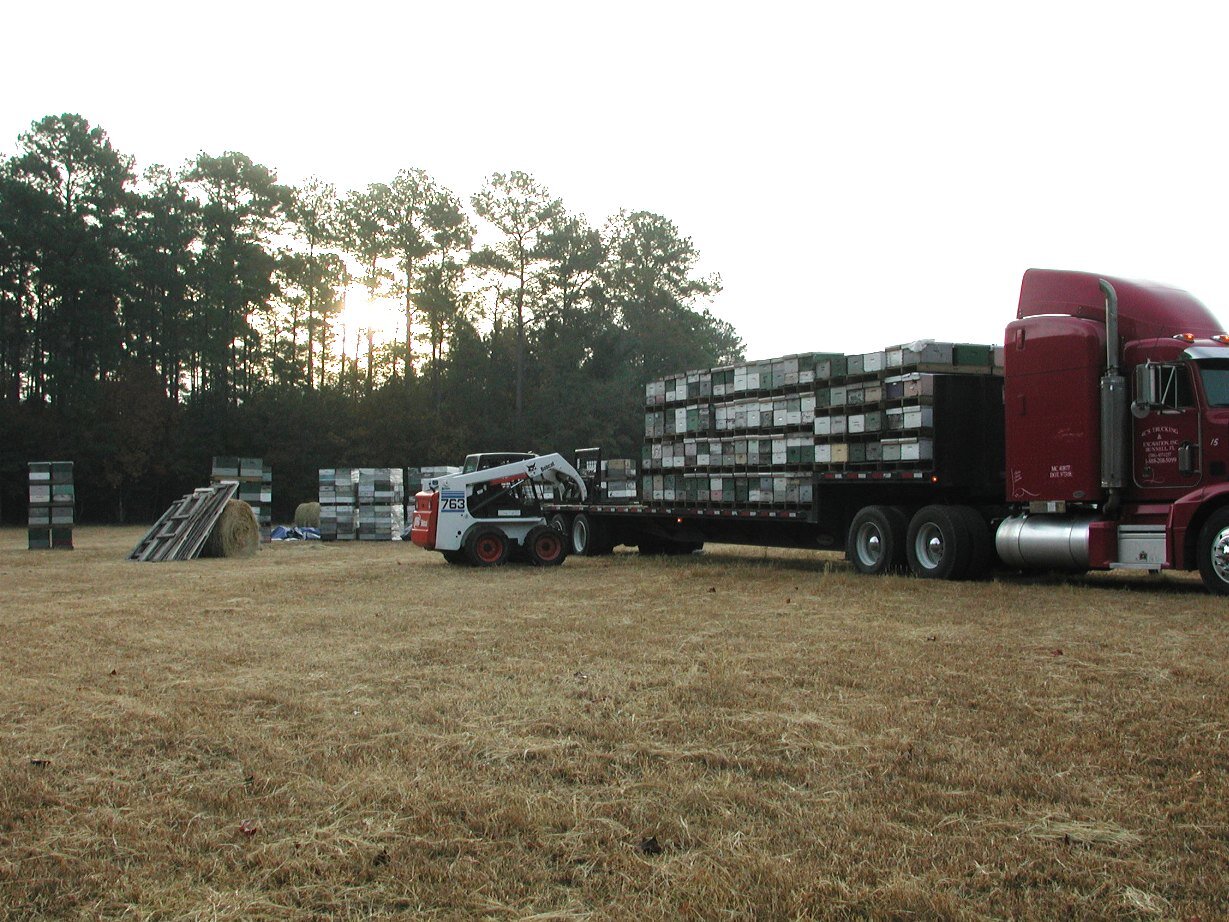
A dozen WA beekeepers brought hives in, fetching $350 per hive — a deal the ABC reported as worth more than $2.3 million to a single commercial almond grower. The WA Government’s own statement put the total at more than 7,500 beehives, and called it one of the largest commercial consignments of live beehives to leave Western Australia in recent years.
Then the loading, which happens at night, because that is when everybody is home. A hive in daylight is half-empty — the foragers are out. A hive at 2am is a complete household. (Beekeepers work by red light; bees don’t see red well, so as far as the colony is concerned nothing has happened.)
On the road
Here’s the detail that delighted me most, and it is not the one you’d guess.
The hives travel with their entrances open.
You’d assume the boxes get sealed shut — that’s the intuitive version, bees safely bottled up for the trip. But WA beekeeper Steve Sammut explained to the ABC why they aren’t: if the load gets too hot, the bees need to be able to come out and sit on the front of the hive to cool off. So they ride open, a few million of them, tucked into a moving wall of boxes doing highway speed across the Nullarbor.
“It’s two drivers, non-stop, all the way through to South Australia,” Sammut said.
And on the outside of the truck, he confirmed the thing you were hoping was true: “You definitely hear them.”
Three prime movers had crossed the South Australian border when the ABC visited the story, with two more to follow. Sammut, who has done this before, marks his queens with a small dot of paint so he can find them again — blue, this time.
The genuinely strange part is that this is normal
Commercial pollination is a real, large, unglamorous industry, and most people have no idea it exists. Beekeepers move hives to crops the way other contractors move scaffolding. In the United States, trucks full of bees drive from South Carolina to Maine every summer for the blueberries. In Australia, BICWA puts the value of managed pollination to national agriculture at over $4.2 billion a year — roughly ten times the value of the honey industry itself. Honey is the by-product. The bees are the service.
More than a third of the food we eat depends on that arrangement somewhere along the line. Almonds, apples, berries, melons: all of them are quietly underwritten by somebody with a truck, a veil, and a very specific opinion about what time of night to start work.
Why this lives on a good-news blog
Because it’s a rescue mission carried out by people who mostly just wanted the almonds to work out.
A grower had a problem with a deadline set by a tree. An industry council spent months making phone calls. A dozen beekeepers spent months before that getting colonies strong enough to be worth putting on a truck. Inspectors checked every apiary. Two drivers took turns at the wheel and didn’t stop. And several million bees, who were consulted about none of this, will spend a fortnight doing the only thing they ever wanted to do anyway, in an orchard on the other side of a continent, and an almond crop will exist because of it.
There’s no villain in this story except a mite the size of a full stop. Everything else is people co-operating at enormous scale, on a schedule dictated entirely by flowers.
Somewhere out on the Eyre Highway, a truck is going bzzzzz. 🐝🌸💛
Go deeper (real links, no pop-ups, promise)
- 🏛️ Government of Western Australia: Western Australian bees on the road to South Australia
- 📻 ABC News: Millions of WA bees trucked across Nullarbor to save South Australian almond pollination
- 🐝 WA Grower: WA beekeepers step up to support South Australia’s almond pollination crisis
- 📰 Mirage News: Western Australian Bees On Road To South Australia


