

Here is a fact that is genuinely hard to hold in your head.
There is a place on this planet where six million antelope move across the ground season after season, in one connected body, through grassland and floodplain and swamp, and for most of the last few decades almost nobody could go and look at it. 🦌
That place is now a UNESCO World Heritage Site. It is the first one South Sudan has ever had.
What got listed, exactly
The property is called the Boma–Badingilo Migratory Landscape, and it is enormous.
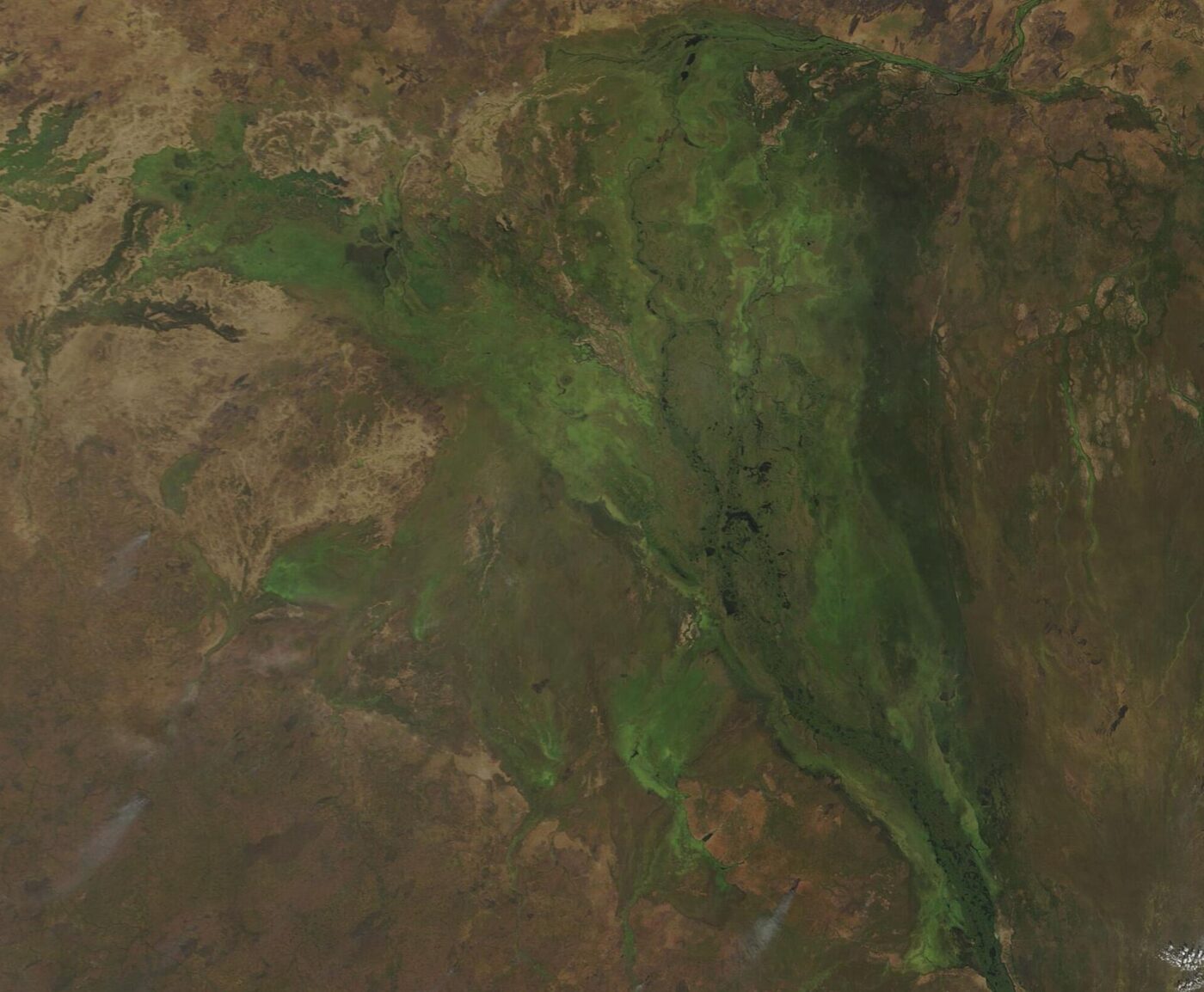
UNESCO’s own entry puts it at 11,236,800 hectares — call it 112,000 square kilometres. It takes in Boma National Park, Badingilo National Park, and the whole floodplain-and-savanna sprawl connecting them, sitting right where the Sudd wetland system meets the East Sudanian Savanna.
The World Heritage Committee inscribed it at its 48th session, held in Busan, Republic of Korea, from 6 to 16 July 2026. It went on under three natural criteria — (vii), (ix) and (x) — which in UNESCO’s language means, roughly: it is extraordinary to look at, it is a living ecological process still running at full size, and it is critical habitat for species that are running out of places to be.
The animals
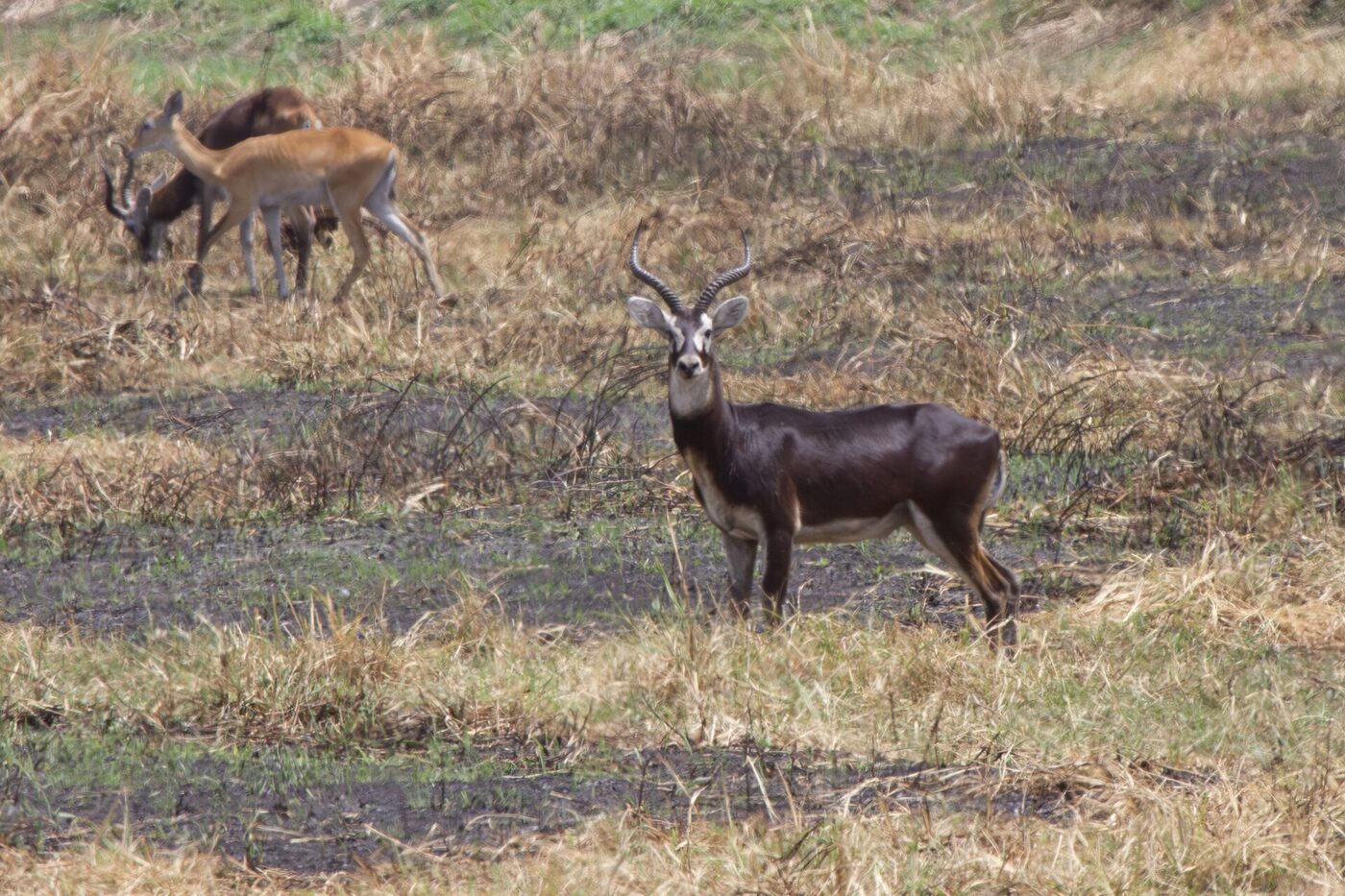
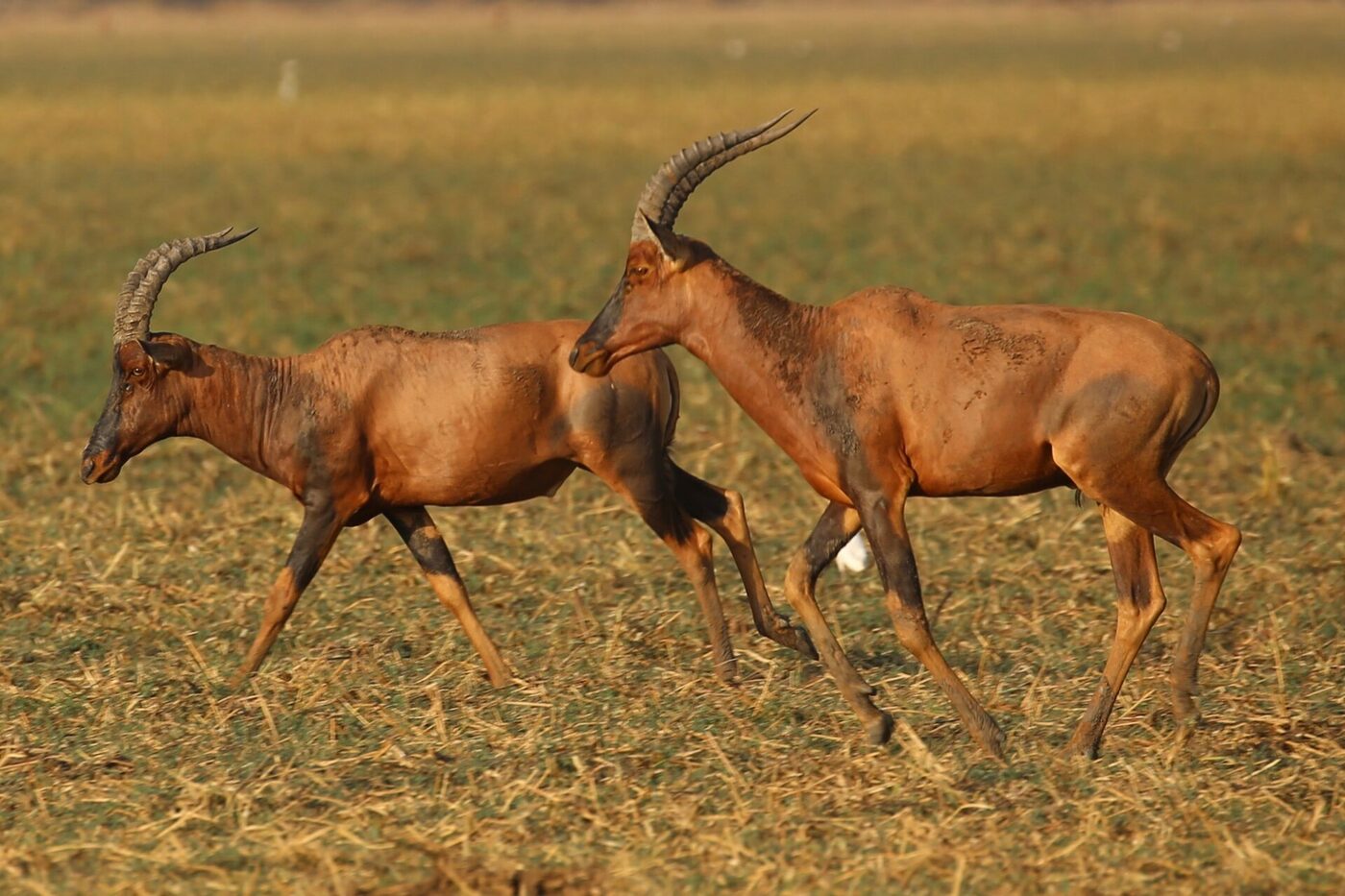
UNESCO’s description names the three that make up the bulk of it: white-eared kob, tiang, and Mongalla gazelle, “moving across a vast and largely unimpeded landscape in response to changing environmental conditions.”
Largely unimpeded is doing a lot of quiet work in that sentence. It means: no fences worth mentioning, no highways, nothing to funnel them. Most of the world’s great migrations now run a gauntlet. This one, so far, does not.
And that is only the headline act. The same entry lists Nile lechwe, African savanna elephant, African wild dog, lion, leopard, northeastern African cheetah and beisa oryx, plus what it calls “significant assemblages of waterbirds, raptors, and migratory bird species.”
The part people leave out
This is not an empty wilderness, and UNESCO did not describe it as one.
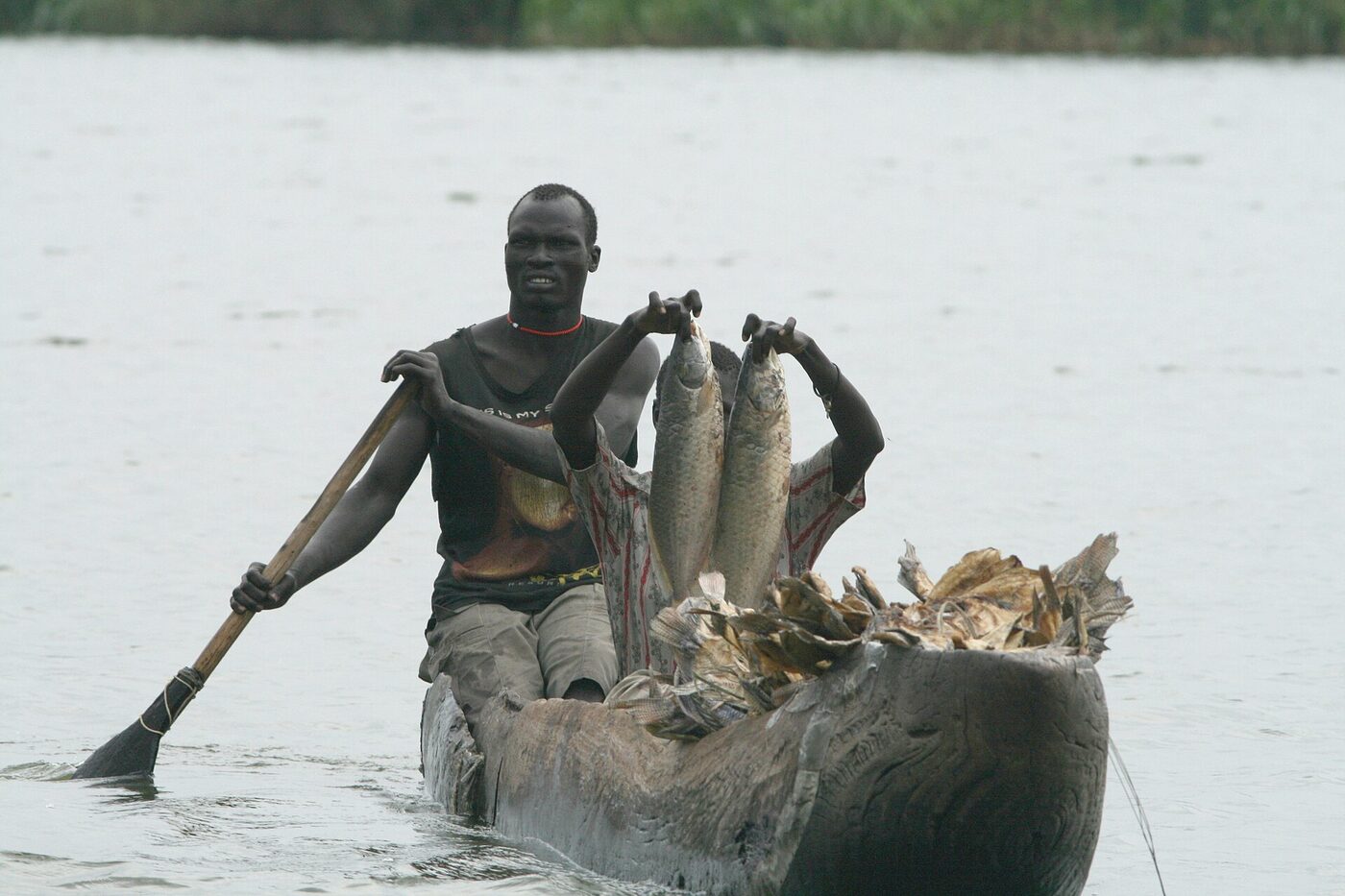
The official description goes out of its way to name the people: the Murle, Dinka, Nuer, Anyuak and Toposa, “who have been custodians of this landscape through herding, farming and fishing for centuries and even millennia.”
That clause matters. A great many “untouched” landscapes were declared untouched by someone who arrived recently and did not ask. This listing says the opposite, in the citation itself. 🤝
Three countries, one week
Here is the bit that made us want to write this up at all.
At that same 48th session, three countries joined the World Heritage List for the very first time: the Comoros (the Medinas of the Historic Sultanates), São Tomé and Príncipe (the Roças), and South Sudan.
UNESCO’s own announcement puts a number on why that matters. When the World Heritage Strategy for Africa (2022–2029) was adopted back in 2021, twelve African countries had nothing at all on the list. Five years later, UNESCO writes, “that number was cut in half.” 🎉
South Sudan’s culture minister, Sarah Nyanath Elija Yong, put it like this in the UNESCO release:
“Through this inscription, South Sudan joins the family of World Heritage nations. This inscription is not only a victory for our people but also a contribution to humanity’s shared heritage and our collective responsibility to protect it.”
The country became independent in 2011 and accepted the World Heritage Convention in 2016. This is the first thing it has ever had on the list.
The asterisk, stated plainly
We are not going to bury this, because UNESCO didn’t.
The property was placed on the List of World Heritage in Danger on the same day it was inscribed. Its danger-listing runs “2026 – Present,” which is to say: from day one.
That is unusual, and it is also honest. South Sudan has had a hard fifteen years, and the pressures on this landscape — poaching, the commercial bushmeat trade, settlement, the long shadow of oil and mining interest in the floodplain — are real and documented. A danger listing is not a black mark. It is a formal statement that the world has agreed to pay attention, with reporting obligations attached.
Minister Nyanath said as much when she landed back in Juba:
“Our work does not end with this inscription. Today marks the beginning of greater responsibility.”
Peter Fearnhead, chief executive of African Parks — which manages Boma and Badingilo under a ten-year agreement with the government — was blunter still:
“There are very few landscapes left on Earth where a natural system of this scale still exists. World Heritage status will not safeguard the landscape on its own, but it does shine an international spotlight on its importance and helps build the support needed to secure its future.”
What happened next
Something small and extremely encouraging, actually.
Weeks after the inscription, 50 newly trained wildlife rangers graduated at Badingilo National Park, after two months of training. In February 2026, President Salva Kiir had signed a new Wildlife Conservation Act into law — replacing a 2003 framework written during the liberation period, and raising the penalties for wildlife crime to as much as ten years.
So the sequence runs: new law in February, inscription in July, fifty more rangers in August. That is not a press release. That is a country doing the follow-through in the right order. 🎓
Why this is on a good-news blog
Because of how this story is usually told.
South Sudan turns up in the news as a shorthand — conflict, flooding, displacement, a place things happen to. And the wildlife minister, Denay Jock Chagor, said the quiet part out loud when the nomination was signed back in February:
“You know, in so many places you see people disregarding South Sudan as a place of conflicts, a place of war, a place that does not have peace. But we are trying to tell the world that we are not all that.”
And then the world’s heritage committee sat down in Busan and agreed with him, in writing, unanimously enough to put it on the list.
Six million animals have been walking that route the whole time. They did it through the war. They did it while nobody was counting. Somebody finally went up in a plane, counted them, wrote it all down in a nomination dossier, and now it is on the same list as the Serengeti and the Great Barrier Reef — with a note attached saying this one needs looking after.
That’s a good week. 💛
Go deeper (real links, no pop-ups, promise)
- 🌍 UNESCO World Heritage Centre: Boma–Badingilo Migratory Landscape (ref. 1808)
- 📣 UNESCO: Three New Countries Join the World Heritage List — A Major Milestone for Africa and SIDS
- 📻 Radio Tamazuj: Boma–Badingilo Migratory Landscape becomes South Sudan’s first UNESCO World Heritage Site
- 📻 Radio Tamazuj: UNESCO listing puts South Sudan’s vast wildlife migration on world map
- 🎓 Radio Tamazuj: South Sudan boosts wildlife force as 50 rangers graduate


