

Somewhere in a lab at Queen Mary University of London, a bumblebee was given a choice. On one side: a clear, unobstructed walkway leading straight to a feeder full of sugar water and pollen. Easy. Free. No catch.
On the other side: a pointless little detour into a patch of tiny wooden balls. No food there. No mate. Nothing.
The bee took the detour. Then it rolled the balls around. Then it did it again. And again. One especially devoted individual rolled balls 117 separate times. 🐝
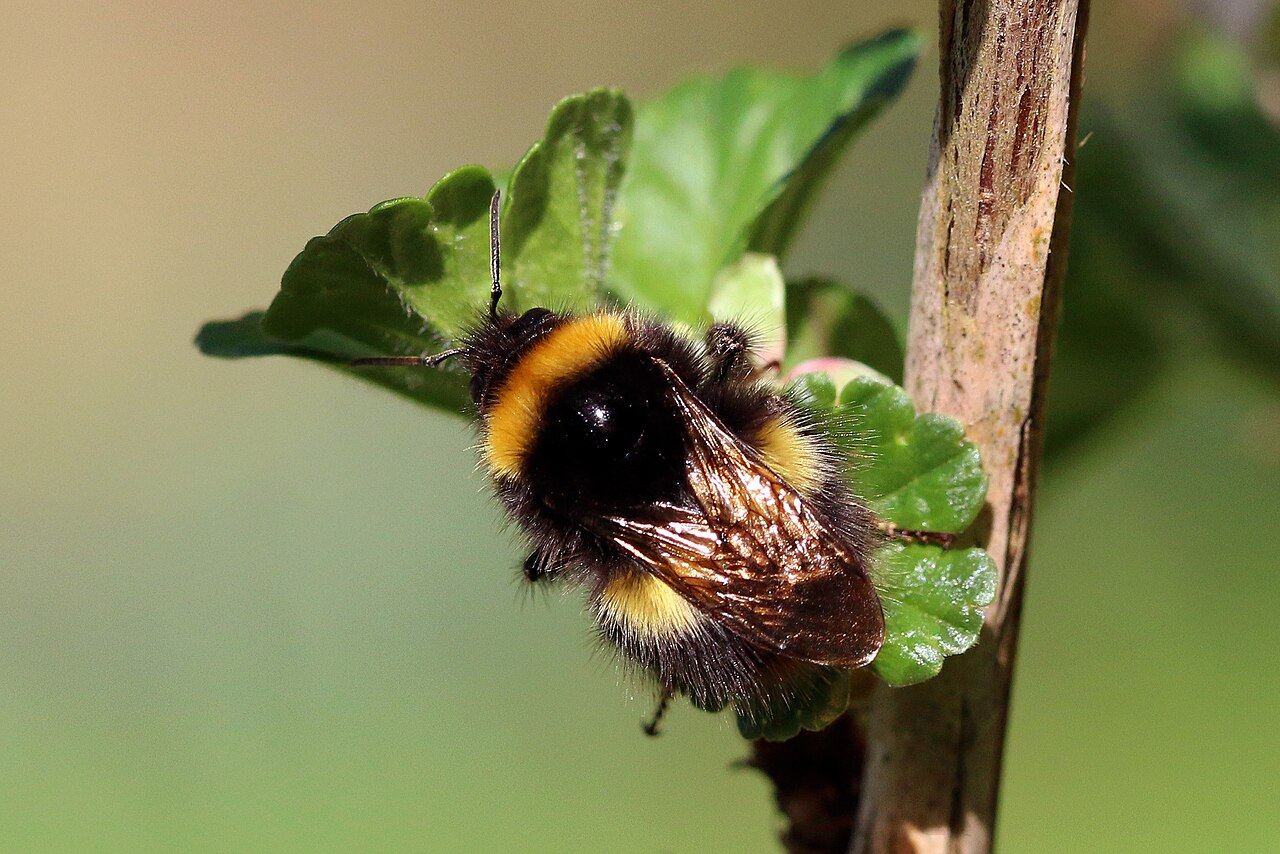
In October 2022, a team led by Queen Mary published this in the journal Animal Behaviour, and in doing so recorded something nobody had ever documented before: an insect playing. Not foraging. Not building. Not solving a puzzle for a treat. Playing.
The setup was designed to rule out every boring explanation
This is the part that makes the finding stick. It’s easy to watch an animal push something around and project a good time onto it. The researchers built an experiment that quietly closed off every other door.
The bees — 45 of them, buff-tailed bumblebees (Bombus terrestris) — walked through an arena. They could go straight down an open path to the feeding area, or they could deviate into side areas scattered with movable wooden balls. The food was never in the ball areas. Rolling a ball never produced a reward. Nobody trained them to do it.
They did it anyway, over and over, for no payoff that anyone could find.
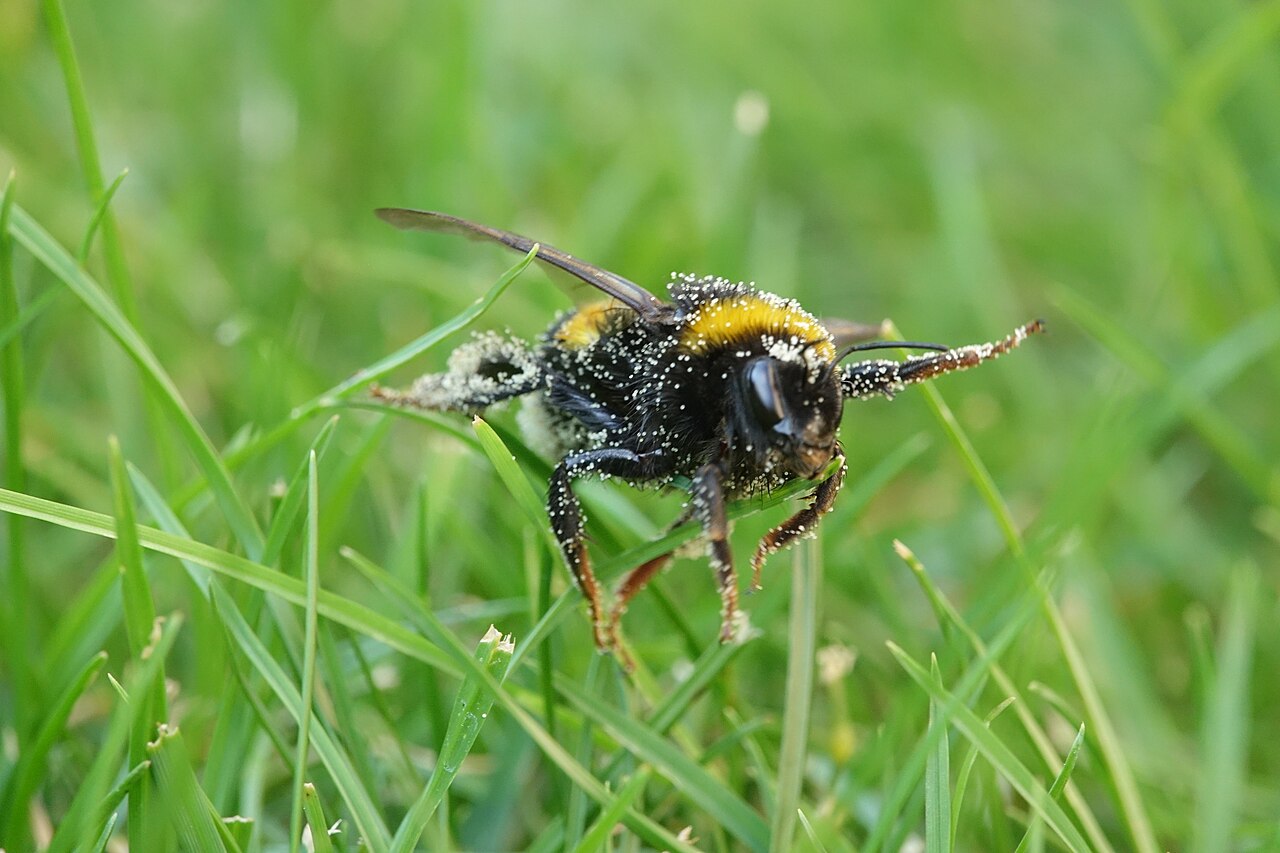
To count as play, animal-behaviour researchers want a behavior to clear a specific bar. It has to be voluntary and spontaneous. It has to be repeated. And it has to be useless in the strict sense — it can’t be getting the animal food, it can’t be about mating, it can’t be tidying clutter out of the way, and it can’t be a stress response. Rolling those balls failed to accomplish a single useful thing. The bees were unstressed, well-fed, and under no obligation whatsoever.
Which leaves the explanation that the researchers, carefully and with a lot of data, arrived at: the bees rolled the balls because rolling the balls was rewarding in itself.
Then they checked whether the bees actually liked it
Here’s my favorite piece of experimental design in the whole study.
A skeptic could still argue the ball-rolling was some twitchy reflex — a compulsion, not a pleasure. So the team ran a second experiment with 42 more bees. Each bee got access to two colored chambers, yellow and blue. One color always had movable balls in it. The other was empty. The bees spent time in both.
Then came the test: the bees were offered a choice between the two colored chambers with no balls in either one.
The bees went to the color where the balls used to be. 🎈
They hadn’t just rolled the balls — they had formed a positive association with the place they got to roll balls. That’s not a reflex. That’s something closer to a fond memory.
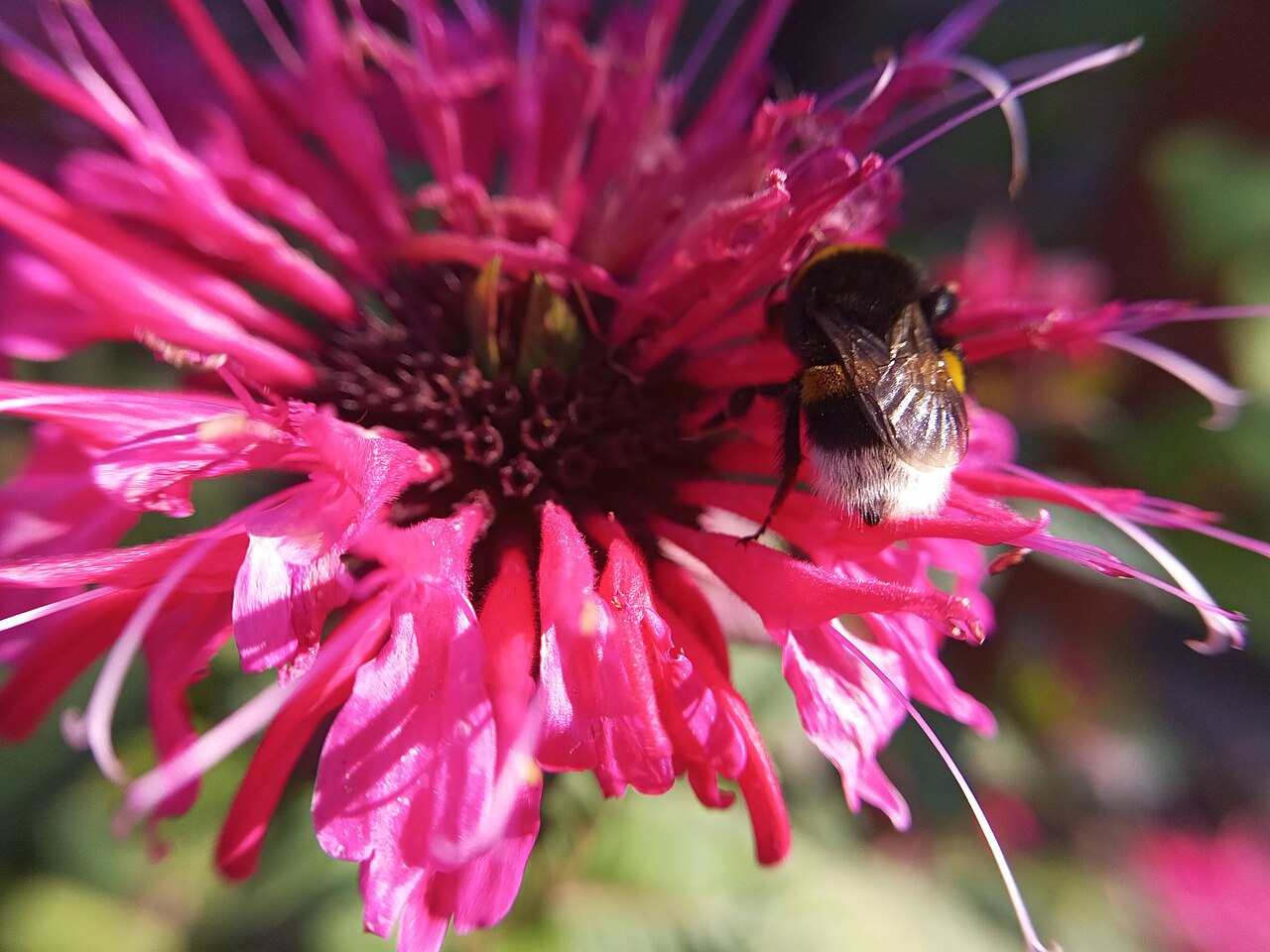
Young bees played more. Male bees played longer.
The details are the loveliest part, because they rhyme so exactly with animals we already understand.
Younger bees rolled more balls than older bees — the same pattern you see in puppies, in kittens, in human children, in juvenile crows. Play is a young creature’s business, and it turns out that’s as true in a hive as it is in a living room. 🐣
And male bees rolled individual balls for longer than females did. Little differences, showing up in a bumblebee, in the same shape they show up in mammals and birds.
It started with bee soccer
The best part of the backstory: the same lab had already taught bumblebees to roll a ball to a target — essentially scoring a goal — in exchange for a sugary reward. Clever bees, well-paid work.
But while running that study, the researchers kept noticing something odd out of the corner of their eye. The bees were rolling balls when there was no reward on offer at all. Off the clock. Unpaid. Just because.
That was the loose thread. Somebody pulled it, designed a real experiment around it, and found play.
Smile Fact 🐝 — Study first-author Samadi Galpayage put it this way: “It is certainly mind-blowing, at times amusing, to watch bumble bees show something like play… It goes to show, once more, that despite their little size and tiny brains, they are more than small robotic beings. They may actually experience some kind of positive emotional states, even if rudimentary, like other larger fluffy, or not so fluffy, animals do.”
What a bee might feel
Professor Lars Chittka, who runs the lab and wrote a book called The Mind of a Bee, framed the stakes plainly: this is “a strong indication that insect minds are far more sophisticated than we might imagine.” Most known play comes from young mammals and birds. Now it comes from an insect too.
And he drew the conclusion that matters: we keep producing more and more evidence that insects are “a million miles from the mindless, unfeeling creatures they are traditionally believed to be” — and that we should do everything we can to protect them.
Why this lives on a good-news blog
Because the universe did not have to include this. A bumblebee lives a handful of weeks. It has a brain with under a million neurons — a poppy seed’s worth of thinking. Nothing about its situation demands that it stop, on the way to dinner, to bat a wooden ball around for a while.
It just… does. Because it seems to enjoy it.
And on the other side of the glass, a group of humans noticed. They didn’t wave it off as a glitch. They built a careful experiment, ran it twice, ruled out every dull explanation they could think of, and let the bees show them something genuinely new about what it’s like to be alive and small.
So the next time you see a fat bumblebee bumbling around your garden, bumping into things, taking a route that makes no sense — consider that it might not be lost. It might be having a nice time. The world, it turns out, is also doing this: rolling little balls around for no reason at all, in a lab in London, 117 times in a row. 🐝💛


