

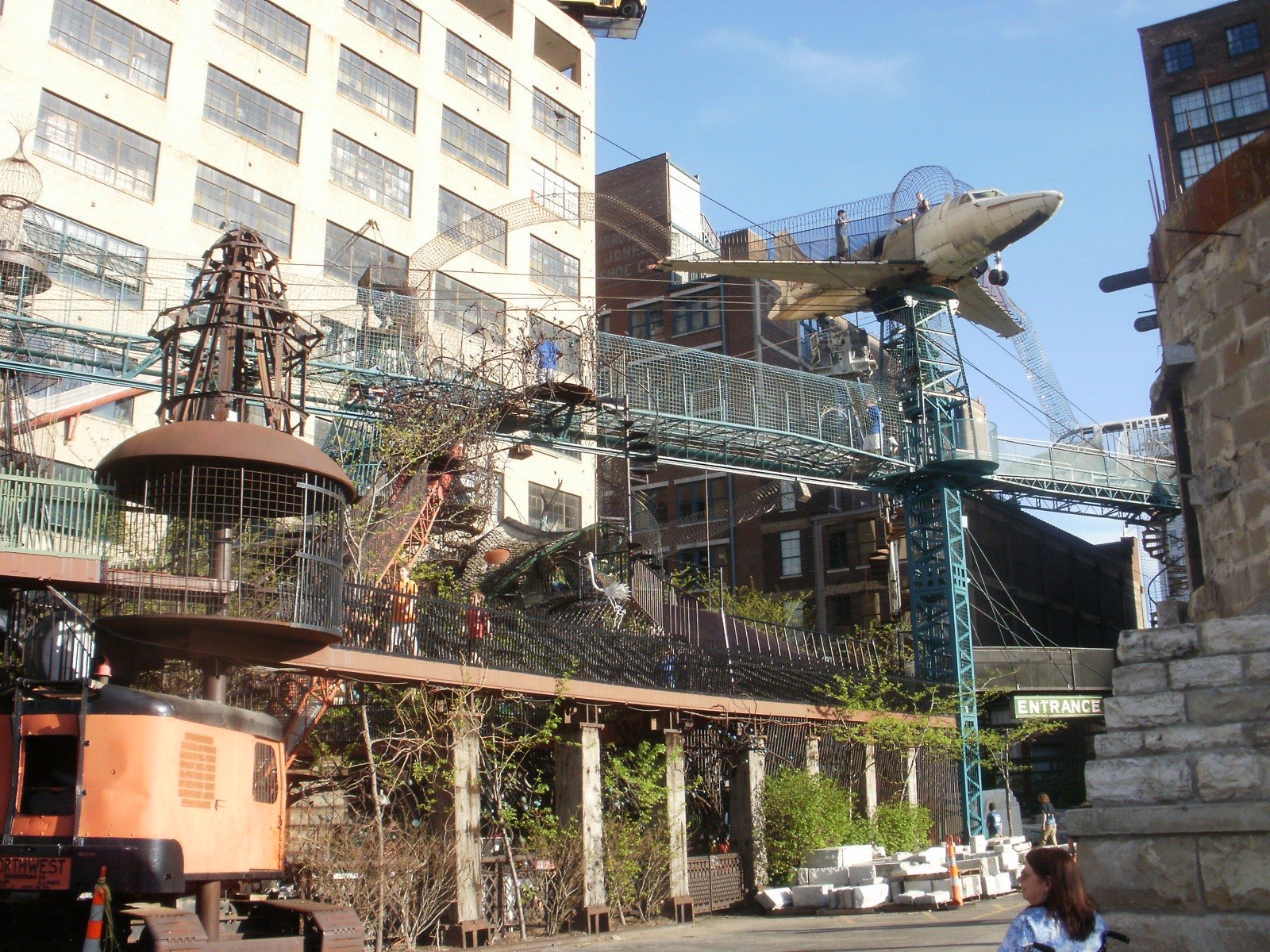
You walk up to a big brick warehouse in downtown St. Louis. Ten stories, blank industrial face, the kind of building you’d pass a hundred times without a second glance. There’s no sign out front explaining what’s inside, because no sign could. Then you look up — and there is a school bus hanging off the edge of the roof, two airplanes bolted to the side of the building, and a tangle of cranes and curling metal staircases climbing into the sky. The doors open, and the entire idea of “museum” quietly dissolves. The ceiling is a cave. The floor is a slide. This is City Museum, and it should not exist. 🎪
It’s not a museum, it’s a — what, exactly?
Here’s the thing nobody can quite explain to you before you go: City Museum is not a museum in any sense you know. There are no velvet ropes, no placards, no “please do not touch.” It’s an enormous, immersive, hand-built art installation that you climb through — part funhouse, part cave system, part sculpture, part jungle gym for every age at once.
It was the life’s work of a sculptor named Bob Cassilly, who, with a rotating crew of around twenty artists, spent ten years transforming the old Desloge Building — a former International Shoe Company warehouse — into this. When it opened in 1997, there was genuinely nothing else like it on the planet. There still isn’t.
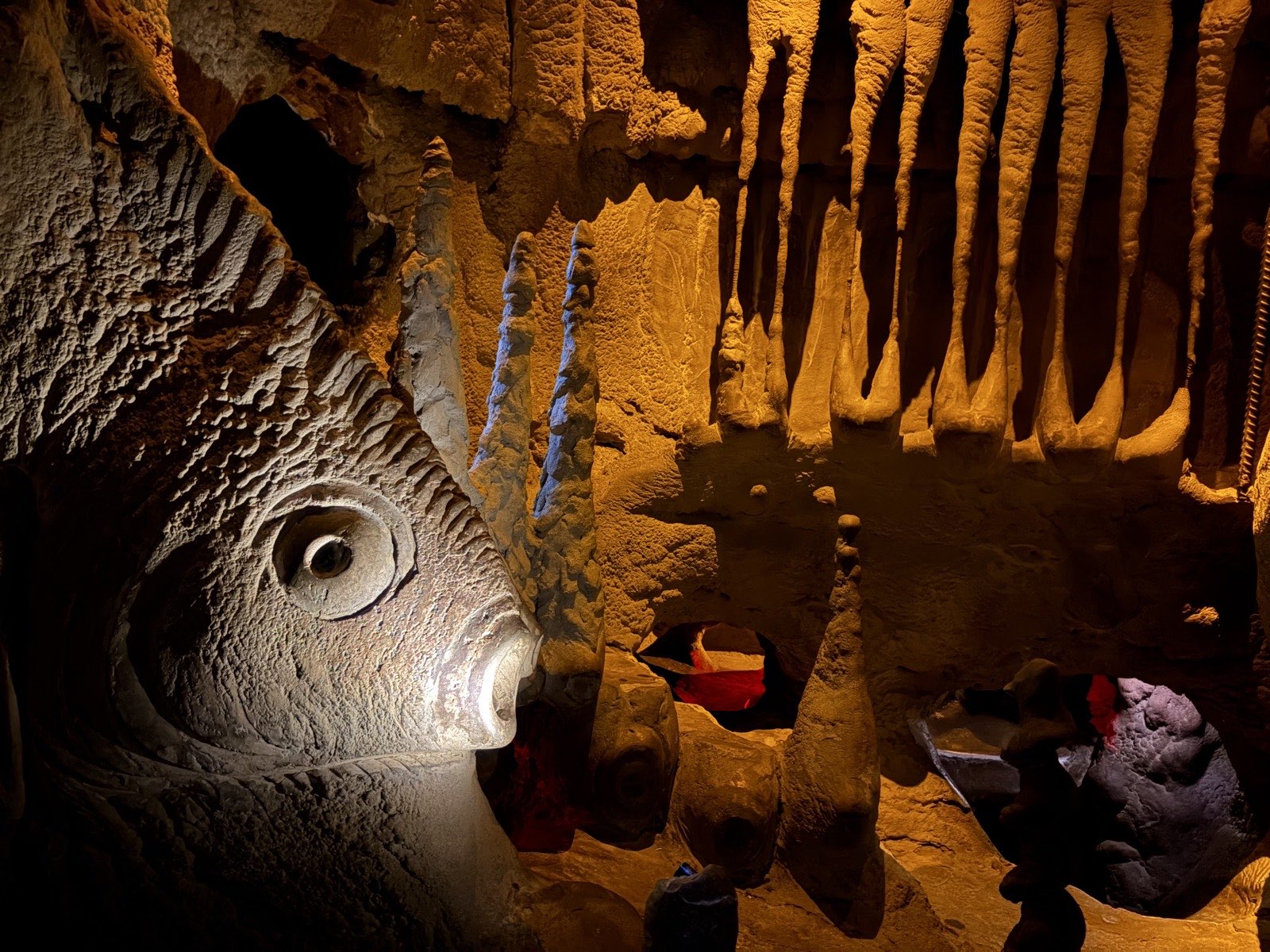
The governing philosophy is radical in its simplicity: everything is meant to be touched, climbed, slid down, and crawled through. There’s no “exhibit” you stand and admire from behind glass. You enter the art. You get a little lost in it. You come out somewhere you didn’t expect, dusty and grinning, with no idea how you got there.
What’s actually in there
This is the part where the list starts sounding made up. It is not made up. Inside and around City Museum you’ll find:
- Multi-story cave systems hand-built from concrete and wire, threading through the building like the inside of a giant living thing
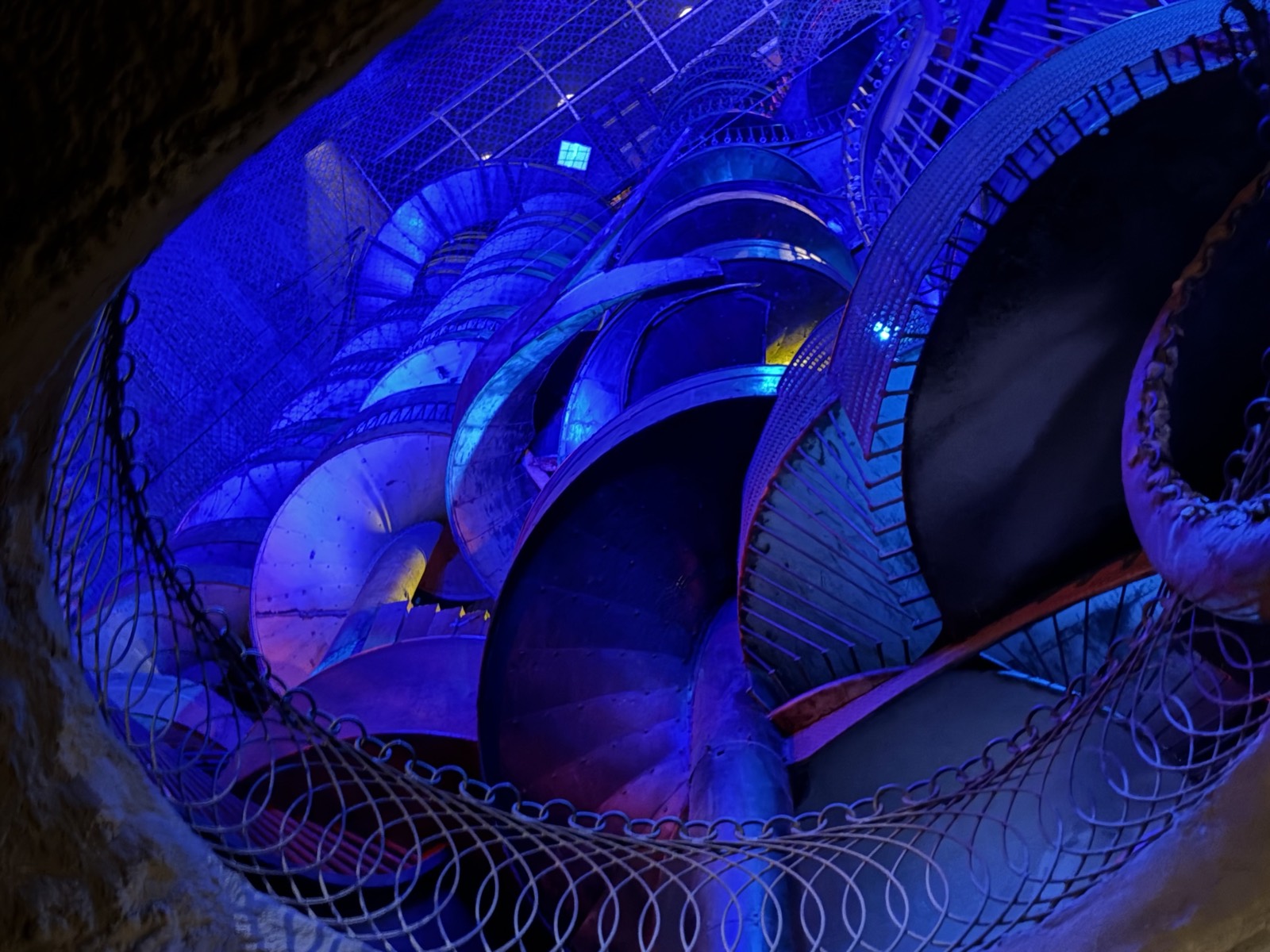
- A 10-story slide that drops you through the heart of the building in about ten gloriously terrifying seconds
- A nod to the building’s past — the old shoe factory it used to be, woven right into the space
- Monstro City, the outdoor sculpture-playground: welded cranes, rebar caves, a dangling school bus, and two retired DC-9 airplane fuselages suspended stories above the ground, open for you to climb inside
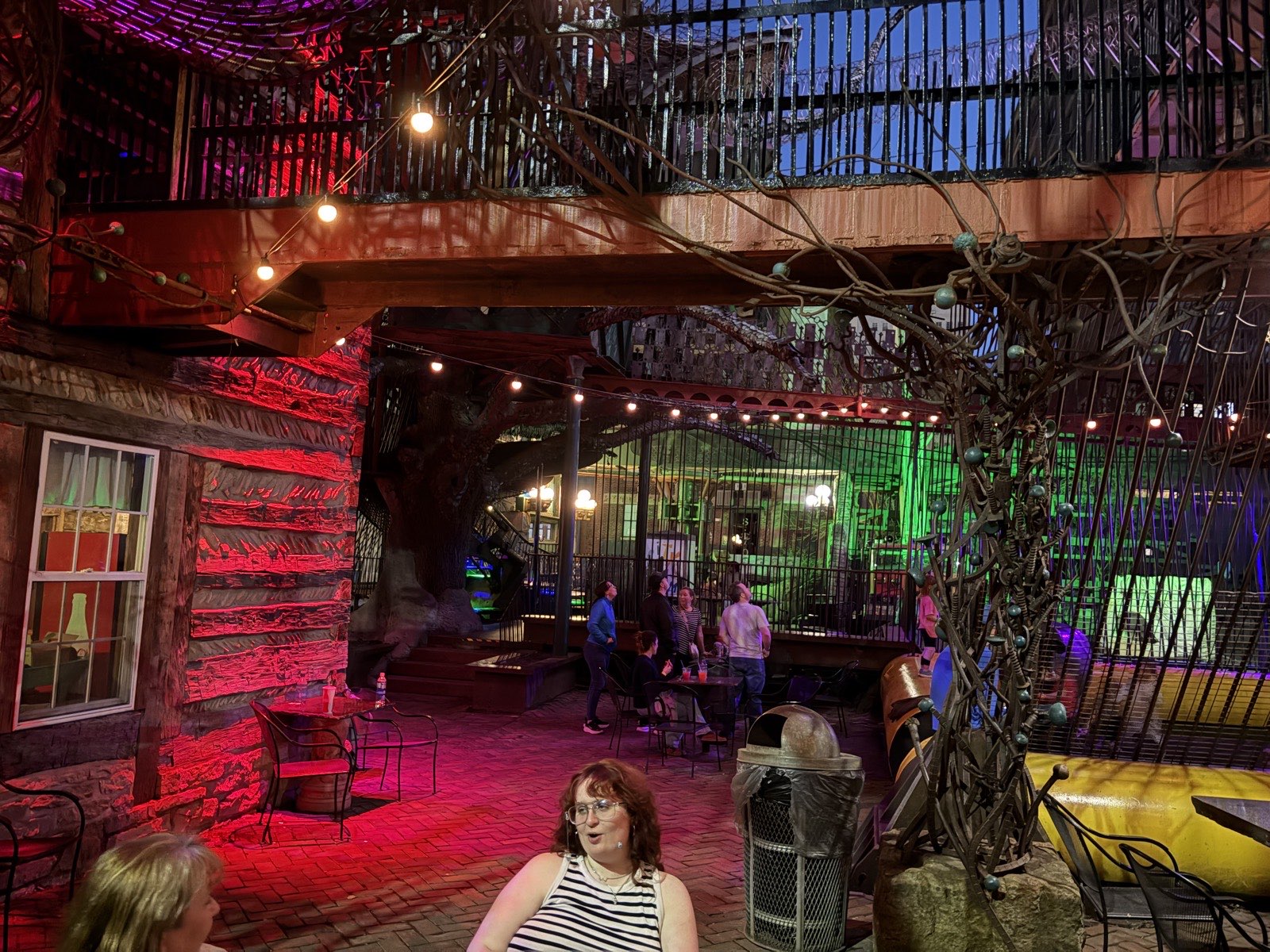
- An open-air rooftop with a Ferris wheel, a bar, and a wide-open view across downtown St. Louis
The person who built it
City Museum didn’t come out of a committee or a development plan. It came out of one stubborn, brilliant head: Bob Cassilly (1944–2011), a trained sculptor who looked at the things a city throws away and saw a cathedral of play waiting to be assembled.
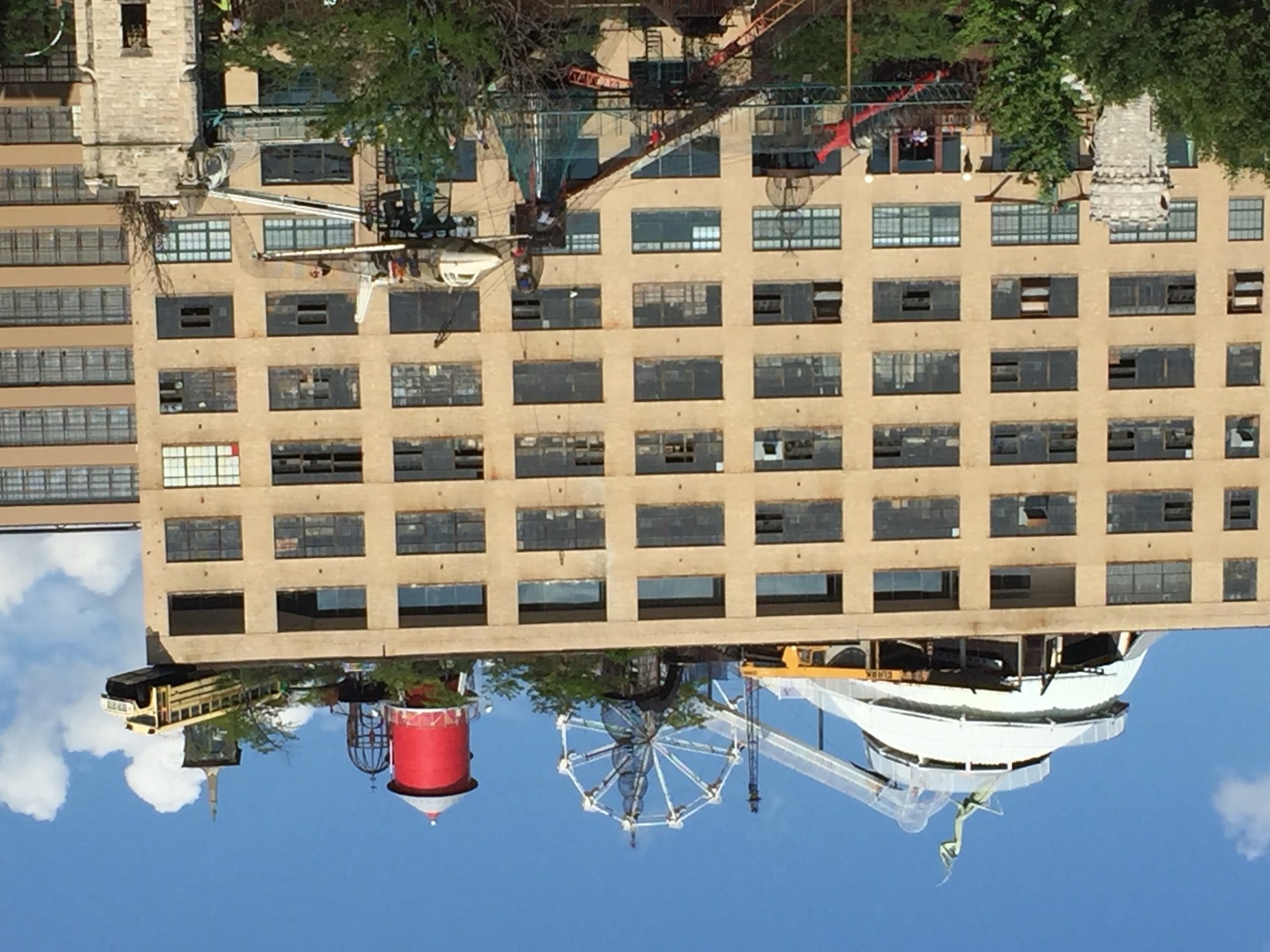
His method was as much treasure-hunt as art: nearly everything in the place is reclaimed from St. Louis itself — demolished buildings, shuttered factories, railroad yards, old bridges. The cranes, the rebar, the architectural salvage, the airplanes: all of it scrap that the city was done with, rescued and rewelded into something nobody had ever seen.
Cassilly spent a decade building it with his crew before it ever opened its doors, and he kept reshaping it for years after. He passed away in 2011, but the museum he dreamed up didn’t stop — co-owner Andrew Weil and the team carried it forward, and it remains one of Missouri’s most-visited attractions. The whole place stands as a portrait of one artist’s unshakable conviction: that a city’s junk is actually its treasure, if you’re willing to do the work.
Why this lives on a good-news blog
Think about how most public spaces talk to you. Stay on the path. Mind the gap. Do not touch. Be careful. City Museum says the opposite, in every direction at once: come in, climb up, crawl through, get lost, play.
And it says it to everyone. There’s no kids’ section and grown-ups’ section — the slides and caves and tunnels belong to a five-year-old and a fifty-year-old equally. It treats adults as people who never actually stopped wanting to climb things, which, let’s be honest, is true.
The best part is what it’s made of. This wonder, this single most unrepeatable building in America, was assembled almost entirely from what St. Louis threw away. One person with a vision, a crew who believed in it, and a city’s worth of scrap — turned into something that makes a hundred thousand people a year light up like kids.
Some things in the world get built because someone refused to believe they couldn’t be. Go climb one of them. ✈️🎪


