

Somewhere in a warm patch of ocean, an animal the size of a lentil is about to do something that sounds like science fiction and is, in fact, just Tuesday for it.
Meet Turritopsis dohrnii — the immortal jellyfish. It is smaller than your pinky nail, see-through, and has no brain, no heart, and no bones. And when things go badly for it — a bad injury, a starving stretch, or simply the creeping arrival of old age — it does not lie down and give up. It turns its adult body back into a baby and grows up all over again. 🪼
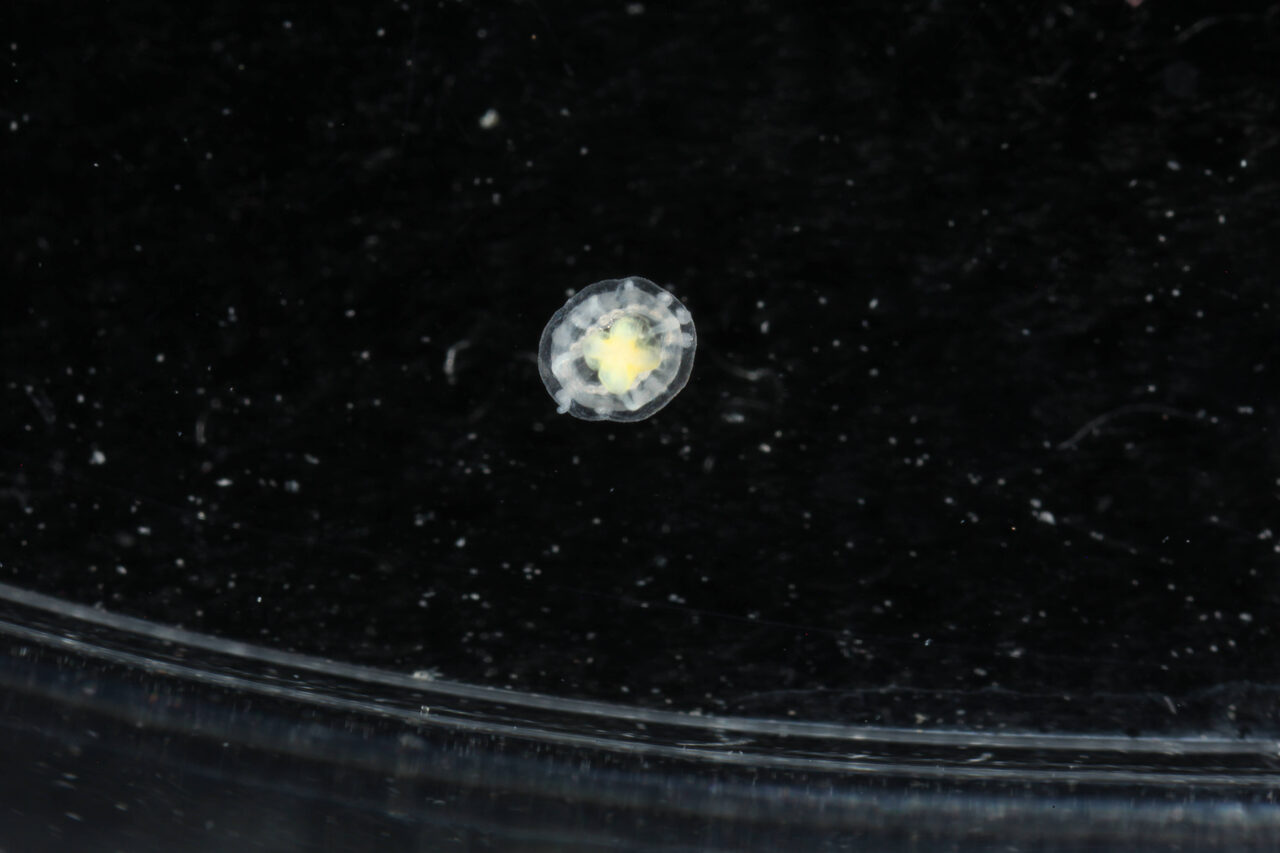
The trick has a name, and it is real
Most animals get exactly one direction on the road of life: baby, then grown-up, then — eventually — the end. You cannot un-grow. A frog does not turn back into a tadpole. A butterfly does not fold itself back into a caterpillar.
The immortal jellyfish did not get that memo.
A jellyfish’s life normally goes like this: a fertilized egg becomes a tiny larva, which settles on the seafloor and grows into a polyp — a little branching colony that looks a bit like a plant. The polyp buds off free-swimming medusae, the classic bell-shaped jellyfish we all picture. Grow up, swim around, make more jellyfish, done.
Here is where Turritopsis dohrnii breaks the rules. When a stressed or injured or aging adult medusa is in trouble, it can sink to the bottom, ball up, and reverse the whole journey — becoming a polyp again. From that polyp, a fresh crop of young medusae buds off, each one genetically identical to the original. The adult didn’t die. It rewound. 🔁
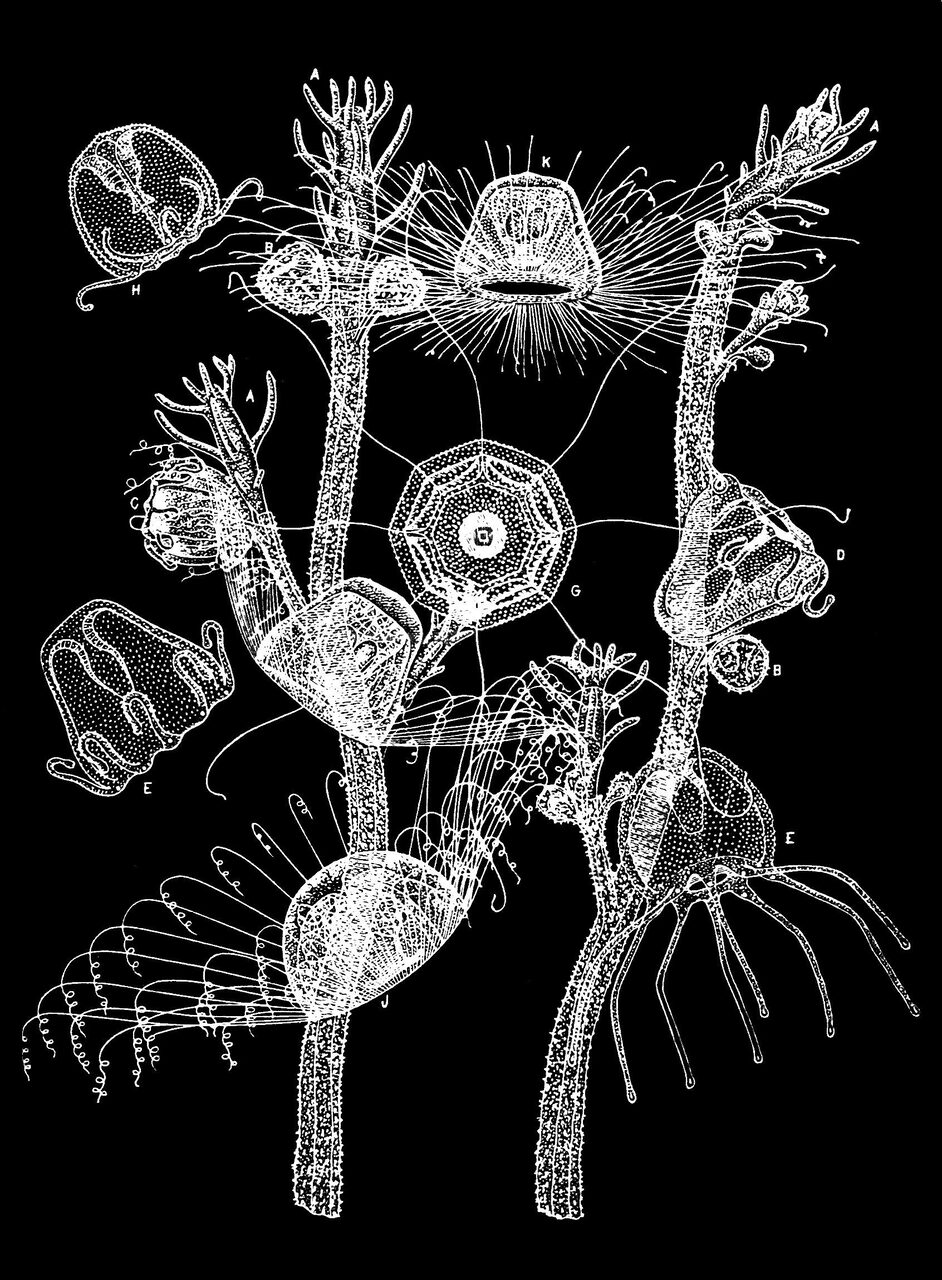
How a body un-grows itself
The name for the magic is a wonderful mouthful: transdifferentiation.
Most of the cells in your body have picked a career and stuck with it — a muscle cell stays a muscle cell, a nerve cell stays a nerve cell. Transdifferentiation is when a fully specialized cell switches jobs entirely, transforming directly into a different kind of cell. A muscle cell can become a nerve cell; a stinging cell can become something else altogether.
Turritopsis dohrnii does this at whole-body scale. Its grown-up tissues re-sort themselves back into the tissues of a juvenile polyp, cell by cell. It is one of the very few animals known to run its own development in reverse on demand — which is exactly why laboratories that study aging and healing find this speck of an animal so fascinating.
The part where we stay honest: it is not invincible
“Immortal” is a great nickname and a slightly generous one, so let’s be clear about what it actually means. 🦐
Turritopsis dohrnii is biologically immortal, which is a specific idea: it doesn’t have to die of old age. The rewind trick lets it dodge the one exit that gets almost everything else eventually.
But it can absolutely still die. It gets eaten — by fish, by bigger jellyfish, by hungry sea slugs, by anything that snacks on plankton. It gets sick. It can be killed by disease or by damage it doesn’t get the chance to recover from. Most immortal jellyfish, out in the real and dangerous ocean, meet an ordinary end long before old age would ever have come for them.
So it’s not a superhero that cannot be hurt. It’s more like the world’s most stubborn restarter — a tiny creature that, given half a chance, simply refuses to run out of turns.
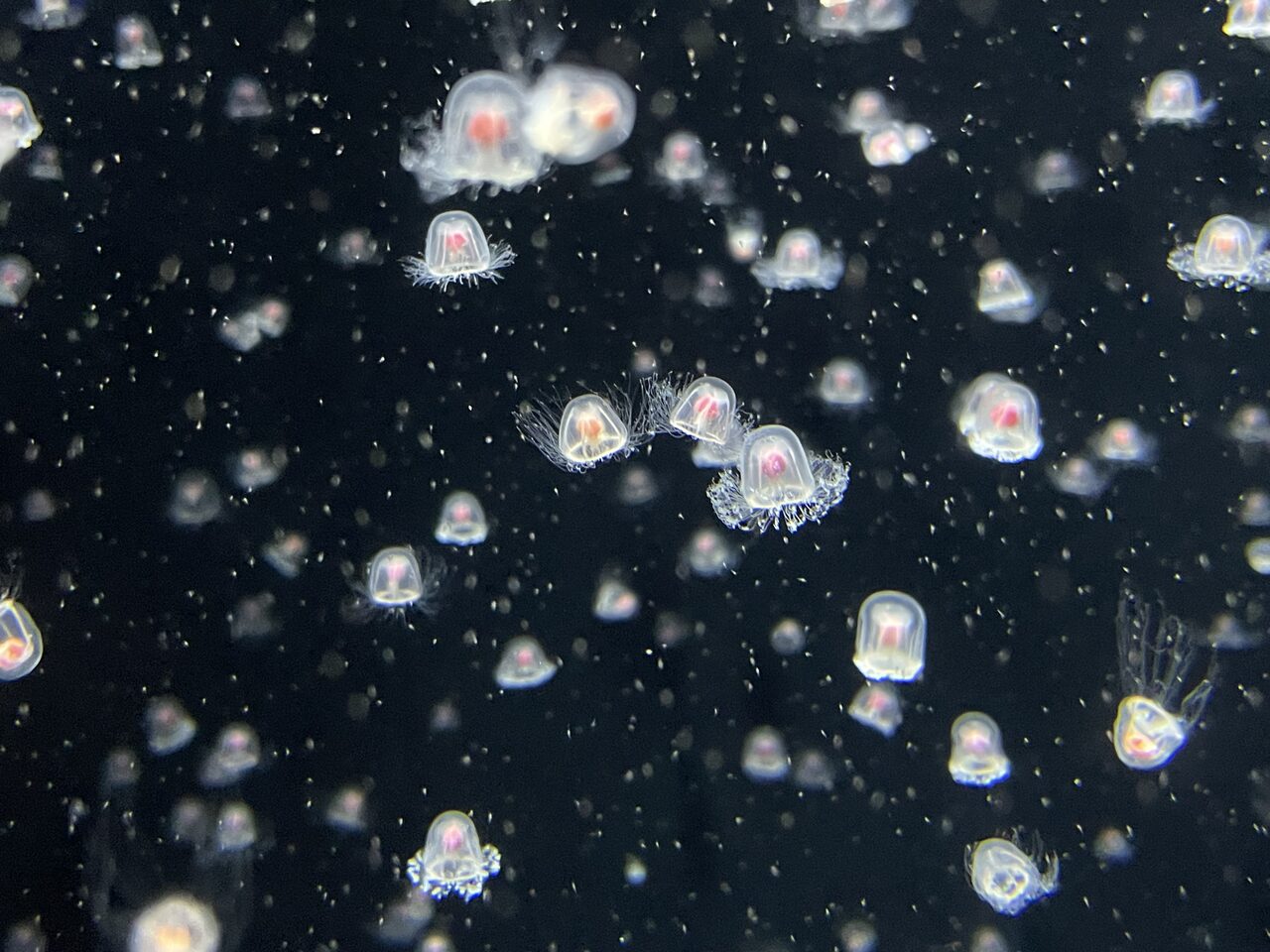
A speck that quietly went everywhere
Turritopsis dohrnii is originally a Mediterranean animal. But it turns out that a jellyfish which can flip back to a hardy little polyp is a very good traveler.
Cargo ships take on ballast water in one port and dump it in another to keep their balance — and in those tanks ride countless tiny hitchhikers. The immortal jellyfish, tough and tiny, has ridden along and now shows up in warm seas around much of the world. Scientists have described it, half-admiringly, as a silent worldwide invasion — not a scary one, just a testament to how well this animal endures being moved, jostled, and generally inconvenienced.
It endures. That’s rather the whole theme.
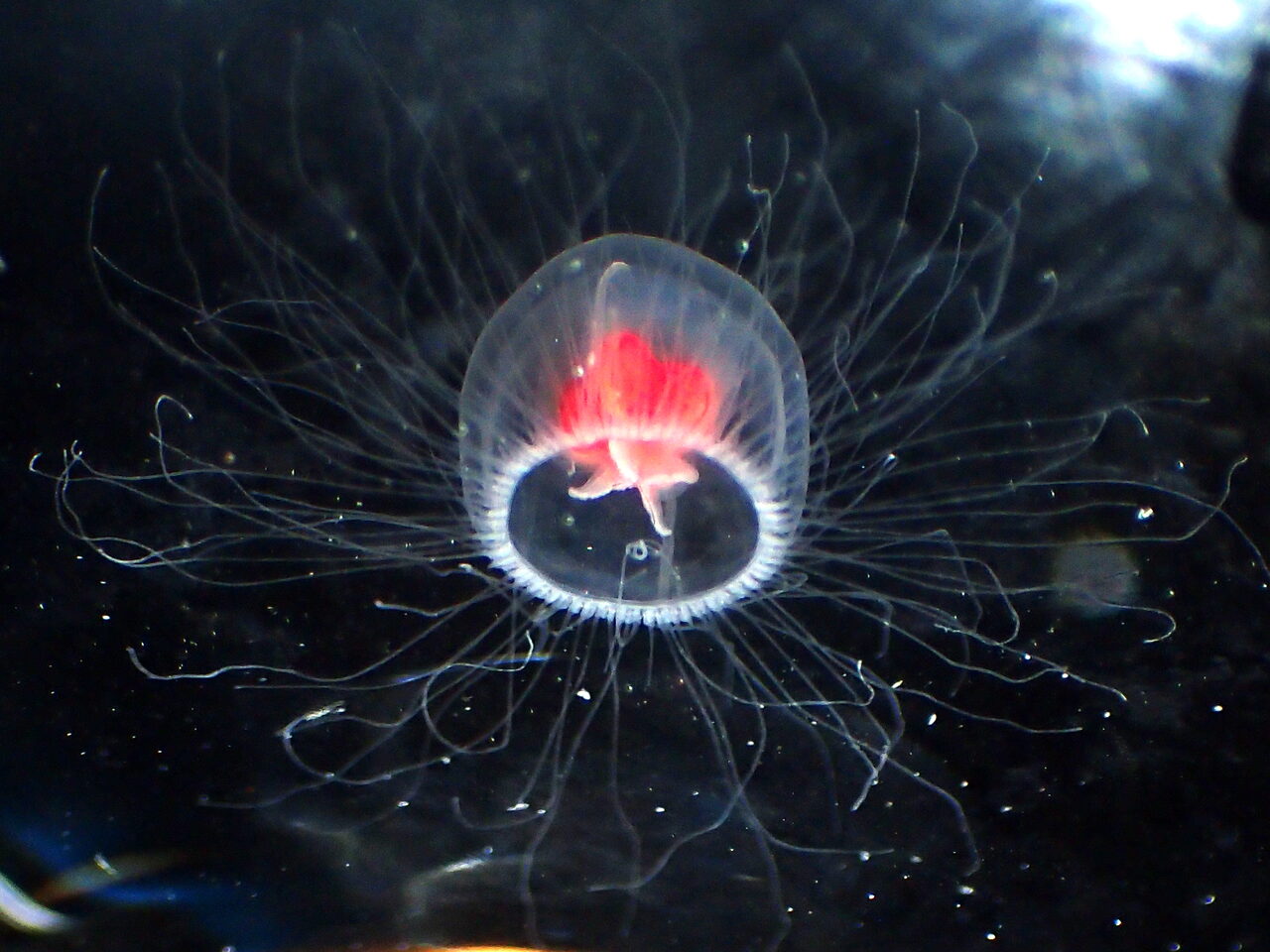
The scientist who watched it happen, over and over
One of the loveliest chapters in this story belongs to a Japanese marine biologist named Shin Kubota, who studied Turritopsis at Kyoto University’s Seto Marine Biological Laboratory.
Kubota kept a colony of these jellyfish going for years, patiently tending them and coaxing individuals to rejuvenate again and again — watching, first-hand, adult after adult roll back into polyp and start over. He became so devoted to his tiny charges that he wrote songs about them and sang their praises, quite literally, to anyone who would listen. A whole career spent staring into a small dish of water, cheering on the animal that will not quit. 🔬
Why this lives on a good-news blog
Because the immortal jellyfish is a four-millimeter argument for starting again. 🪼💛
It has no brain to plan with and no heart to be brave with. It is nearly impossible to see, easy to eat, and it did not ask for any of the attention. And yet, coded into its handful of cells, is one of the most hopeful ideas in all of biology: that a body can meet a bad day — real damage, real hardship, real time — and answer it not by ending, but by beginning again from the top.
It won’t live forever, not really. The ocean is full and hungry and it will get most of them in the end. But every single one of these little bells is walking around with the same quiet superpower: when things fall apart, it doesn’t have to be over. There’s another turn in there somewhere.
The world made a creature the size of a lentil that can un-grow its own grief and try again. If that isn’t good news, nothing is.


