

In Amsterdam’s elegant Oud-Zuid — the Old South, a short stroll from Vondelpark — there is a street that does something no architect drew on a blueprint. Lomanstraat is, at street level, perfectly ordinary: a tidy corridor of brick townhouses, parked bikes, and the occasional cat in a window. Then you look up, and the whole street turns into a green tunnel. The trees on either side lean dramatically toward each other until their crowns knit together overhead, forming a living archway that runs the length of the block. 🌳
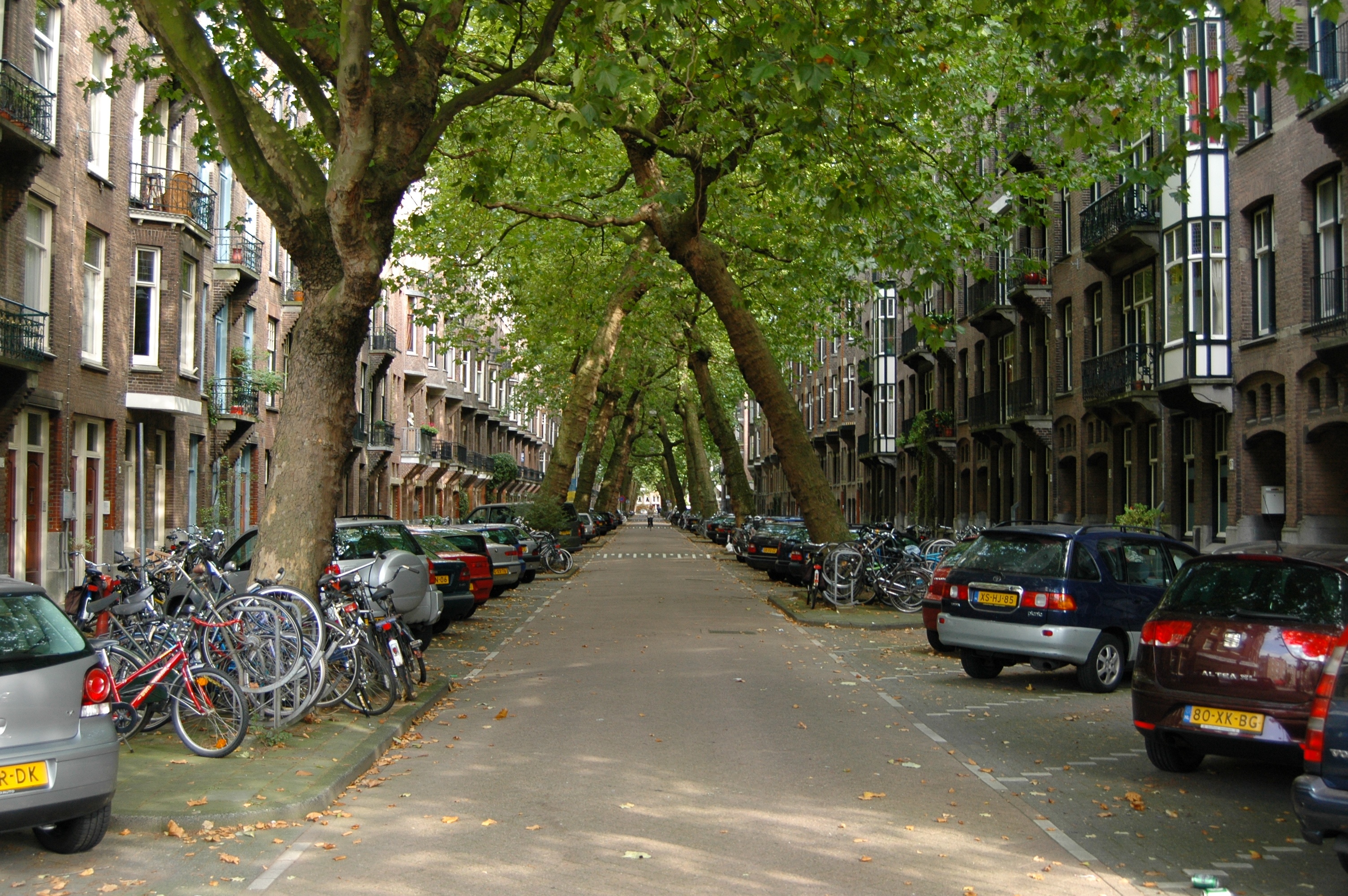
So how does a street grow its own ceiling?
Here’s the lovely part: the arch is an accident of sunlight. Lomanstraat was laid out in the early 20th century as part of Plan Zuid, the grand southern expansion designed by the great Dutch architect Hendrik Petrus Berlage. Trees went in along both sidewalks, exactly as planned. But the townhouses on either side are tall, and the Dutch sun sits low. For much of the day, those facades throw the pavement into shade — and the only reliable patch of open sky is the strip directly over the middle of the road.
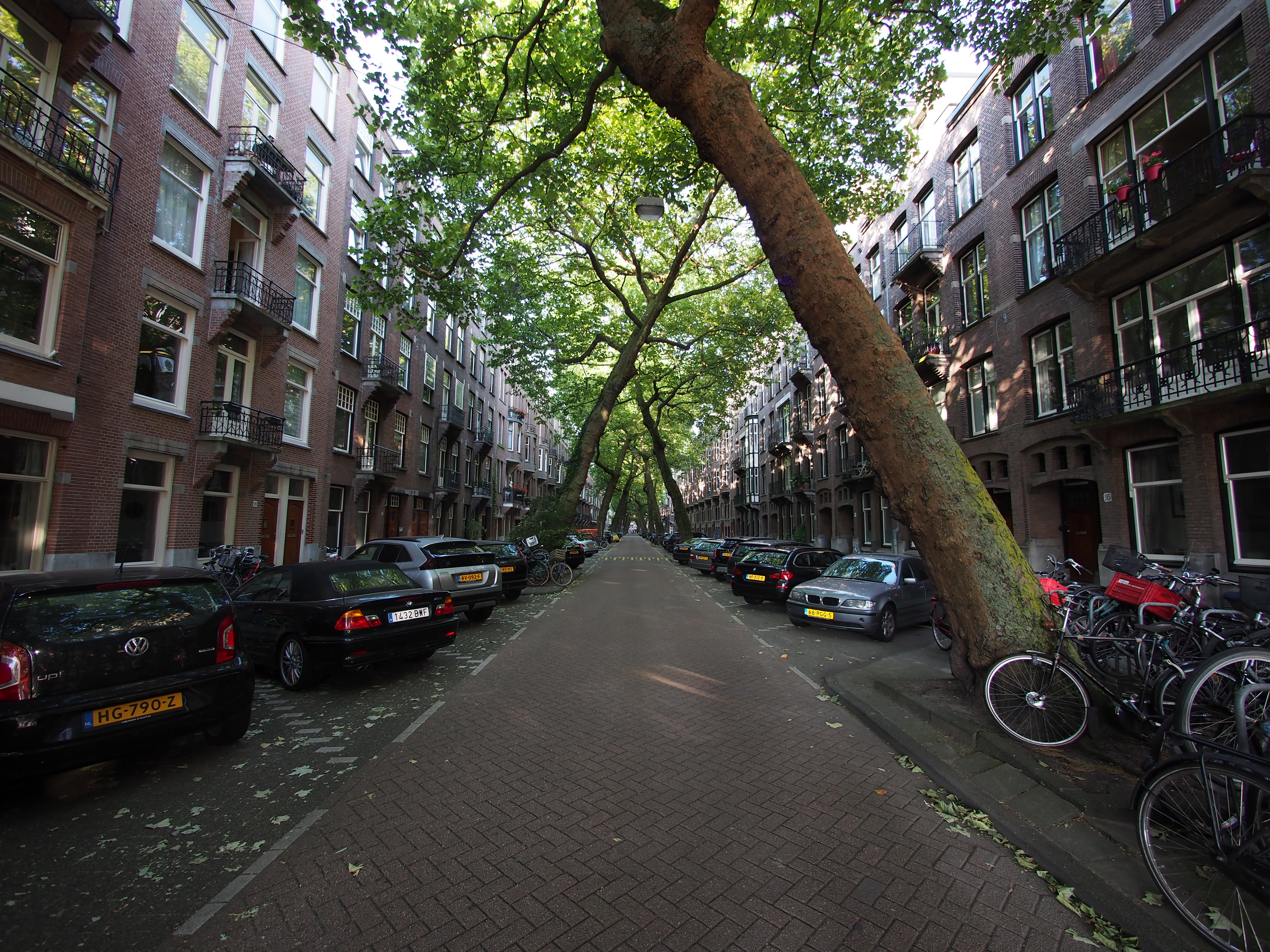
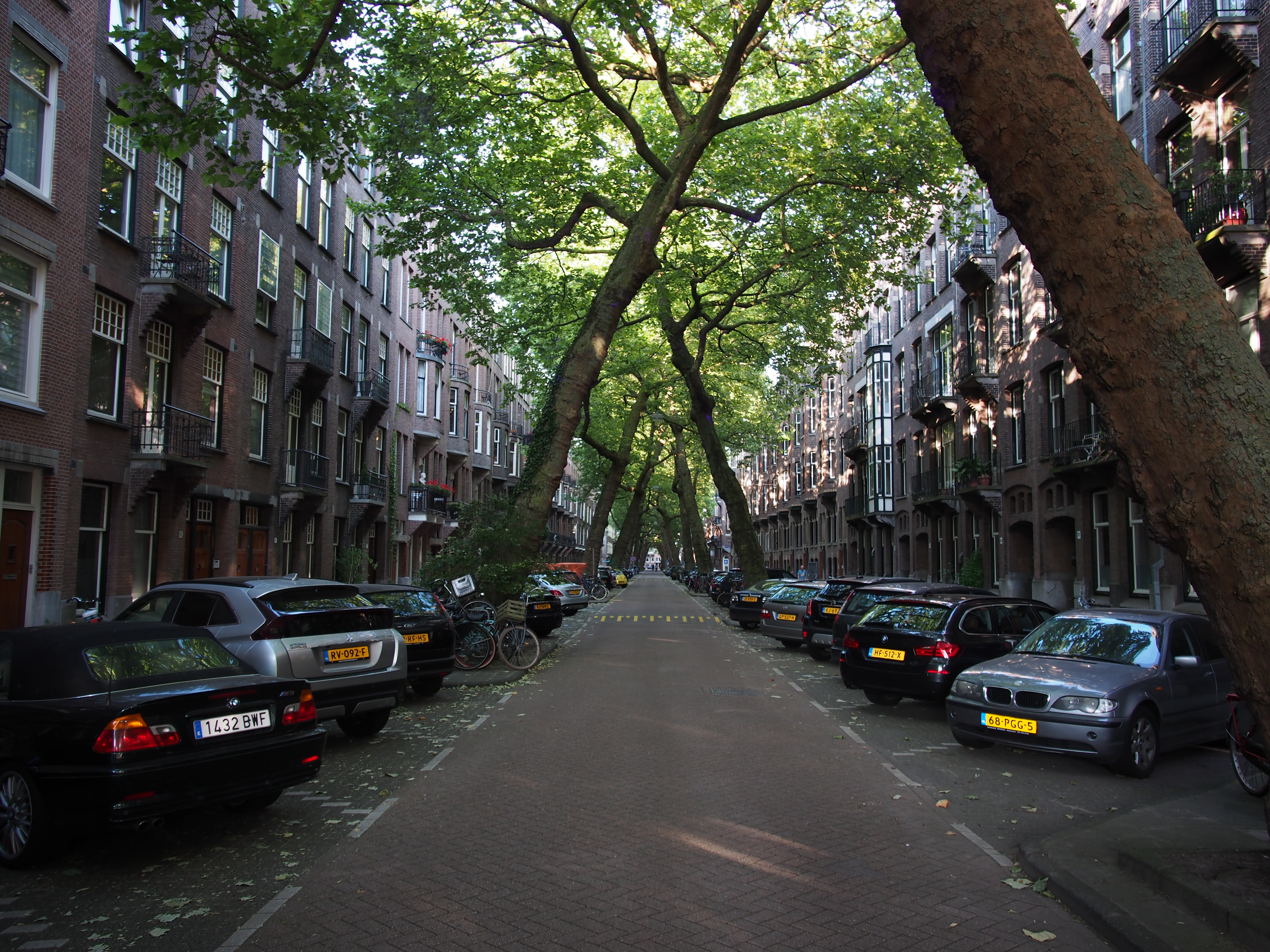
So the trees did what trees do: they chased the light. Decade after decade, each row tilted a little further toward that bright central seam, until trunks from opposite sides ended up crossing high overhead. That slow, stubborn reach is why locals affectionately call it the street of “X trees.” It’s a cathedral built by phototropism — patience and sunlight doing the work of any architect. ☀️
A small mystery, and a wartime legend
Part of the fun of Lomanstraat is that even the basics are debated. What kind of trees are they? Most sources — and the look of that mottled, flaking bark — point to London planes (Platanus × hispanica), the classic city tree of half the world’s grand avenues. But the travel guide that sent us here lists them as honey locusts (Gleditsia triacanthos). We’ll be honest and leave the jury out: it’s genuinely contested, and that’s part of the street’s quiet charm.
There’s also a piece of local lore — unverified, but too good not to mention as a story rather than a fact. During the Nazi occupation, Amsterdammers desperate for fuel cut down street and park trees for firewood across the city. Lomanstraat’s trees, the tale goes, survived because high-ranking occupiers were billeted on the street, and no one dared draw attention by taking an axe to the trees outside their windows. Whether or not it’s true, the trees are still standing — and still leaning.
Why this lives on a good-news blog
Because Lomanstraat is the best kind of accident. Nobody set out to build one of the most photographed streets in the Netherlands. A city planner drew a normal road, someone planted ordinary saplings, and then a hundred years of trees quietly reaching for the sun turned a residential block into something people fly across the world to stand under. 🍂
And the best way to see it costs nothing. There are no tickets and no queues — just a walk, a bike ride, or a slow camera-stroll. Come late September to early November for the gold, or June through August for full green, hop off tram 2 (or walk in from metro Station Zuid), and look up. The Netherlands is full of things humans engineered against the odds. This one, the trees engineered themselves. 🌳💛


