

There is a nonprofit on Cape Cod, in Massachusetts, called Old Ladies Against Underwater Garbage.
That is not a nickname. That is not what the newspapers call them. That is the name they picked, that is the name on the website, and that is the name they will give you if you ask. 🐢
Now. Having enjoyed the name — and you should, it’s a great name, they know it’s a great name — put down whatever picture just formed in your head. Because the picture is wrong.
The tryouts are in the spring
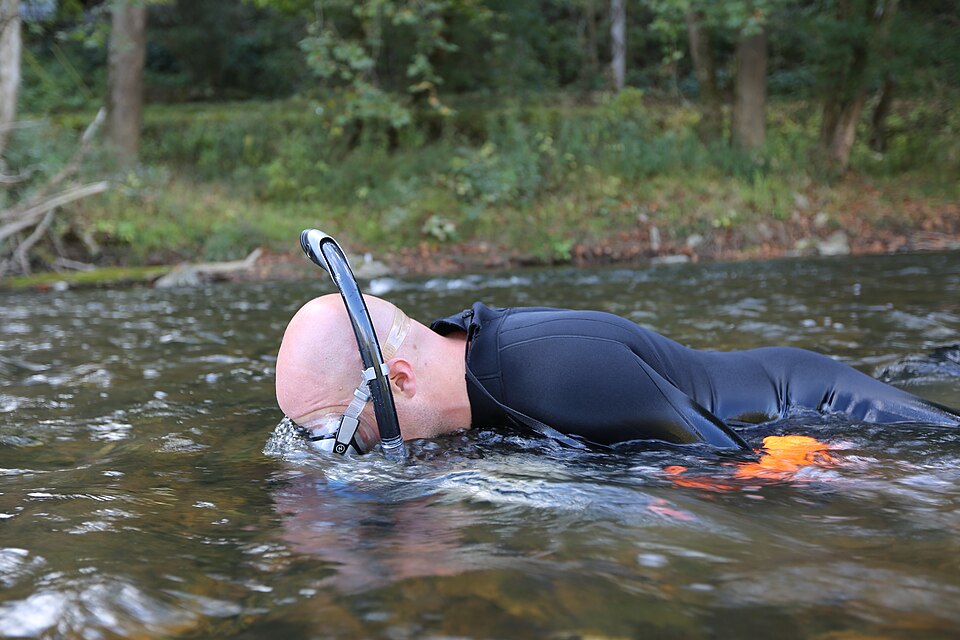
OLAUG holds a readiness swim every year. To be in the group you have to be a woman at least 64 years old, you have to swim half a mile in under 30 minutes, and you have to free-dive to a depth of eight feet.
Read that again with the emphasis in the right place. There is an age minimum — you have to be old enough. And then there is a fitness test that a great many people of any age would not pass on the first try.
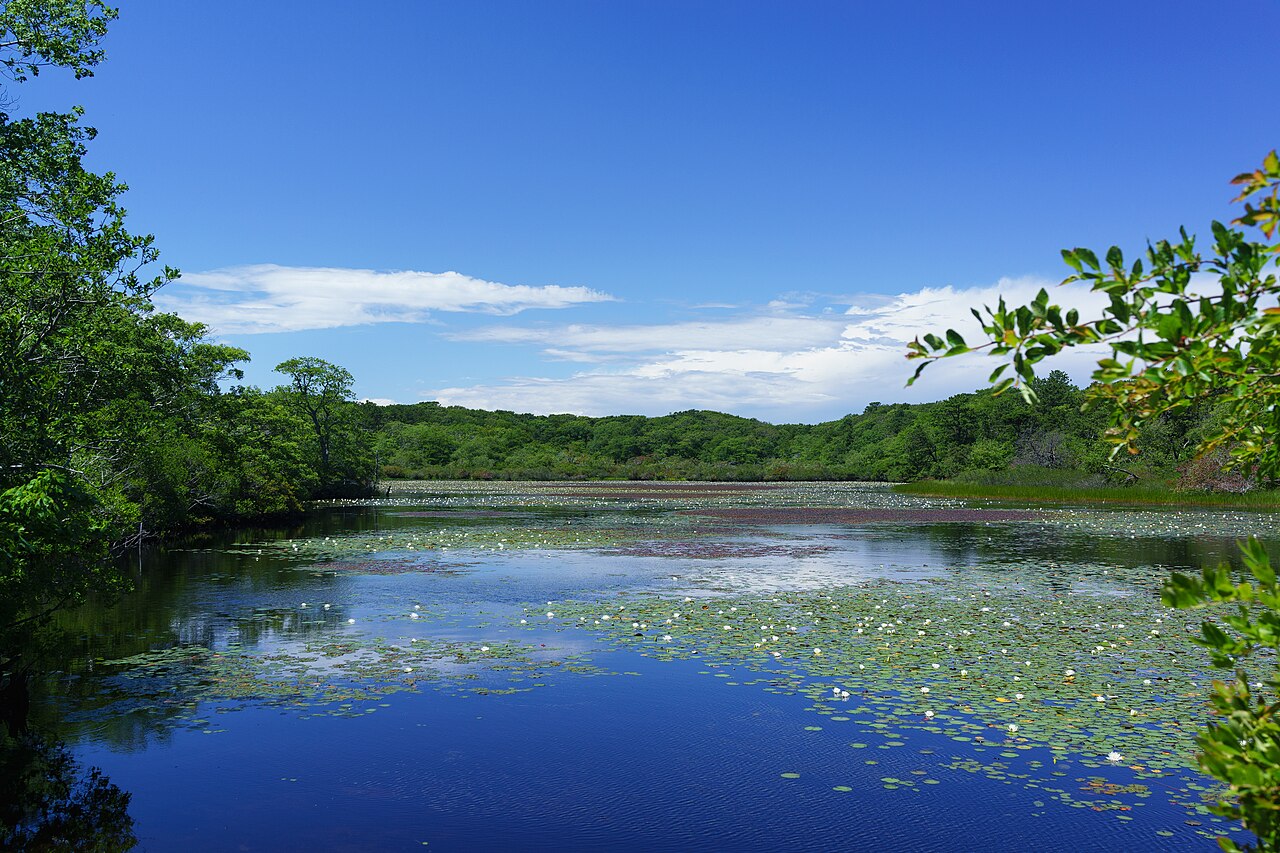
There is also no scuba. Nobody is strapping on a tank. Every single thing these women bring up off the bottom of a pond, they bring up on one breath, hauling it out of the mud with their hands, eight feet down in water the colour of weak tea. Their own website puts the roster at “aged 65–86 and counting.”
Since the group started in 2017, they have taken roughly 6,000 pounds of trash out of Cape Cod’s freshwater ponds.
It started with a laundry basket and a stranger in a yellow kayak
The founder is Susan Baur, of Falmouth — a retired psychologist who moved to the Cape in her sixties, decided the open Atlantic was too dangerous to swim in, and fell in love with the ponds instead.
Specifically, she fell in love with the turtles. She got to know the snapping turtles well enough to need names for them, which is how a pond in Massachusetts came to contain animals called Mr. Spot and Silver Patches. (She insists this was purely practical. She needed a way to tell them apart.) Locally, she is known as the turtle lady.
The trouble was that her turtles’ living room was full of junk. She tried signs. She tried building homemade turtle housing. None of it worked. So in 2017 she went down to the pond, flagged down a man paddling by in a yellow kayak, dropped a laundry basket between his legs, and started handing him golf balls.
That first haul — Baur, the kayak man, and a couple of friends — came up full of golf balls, cans and bottles. And somebody, standing there dripping on the bank, said they were a bunch of old ladies against underwater garbage.
The name stuck. The name stuck all the way onto the incorporation papers.
The greatest hits
Ask Baur what they’ve pulled up and the list starts reasonable and then stops being reasonable very quickly. Beer cans. Golf balls, endlessly. Shoes. Bottles. Building supplies. Car tires. Spent fireworks leaking perchlorates, and car batteries — the things you really, actively do not want dissolving into your drinking-water aquifer.
And then: a dock weighing 200 to 300 pounds. An 80-pound toilet. The back end of a Corvette.
“It’s kind of a treasure hunt,” Baur told WBZ-TV, “for stuff that’s not supposed to be there.”
This is a serious operation that refuses to take itself seriously
The goofy name does a lot of work hiding how carefully this is run.
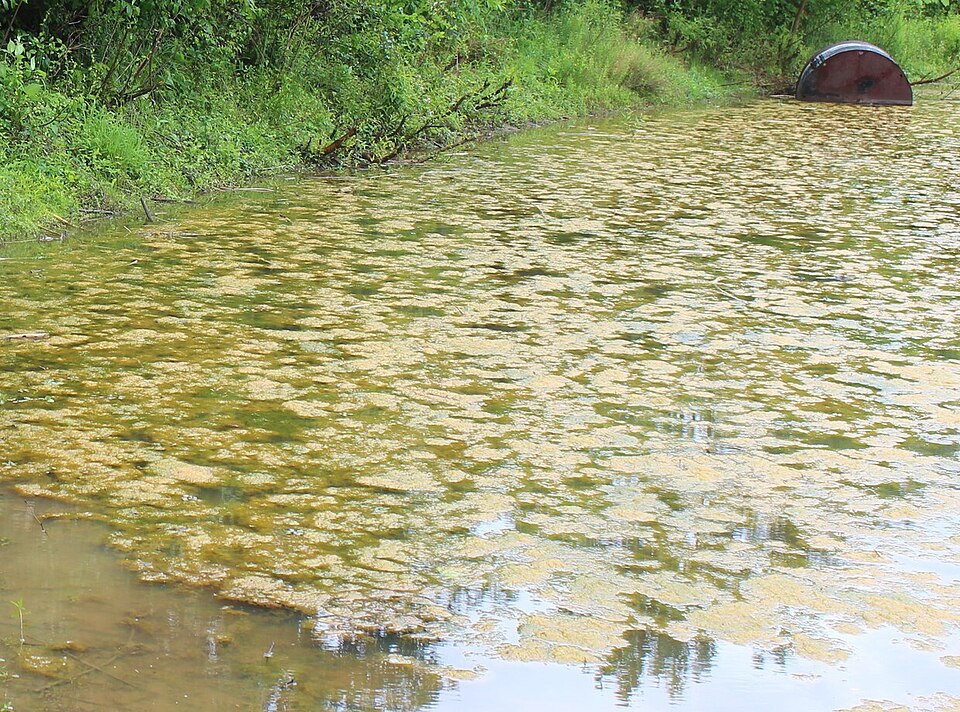
Ponds get scouted first — Marianne Valle, a retired nurse who’s been swimming these ponds since she was twelve or thirteen, is one of the scouts who goes out and assesses whether a pond is even a candidate. Sites are then checked with the local pond coalitions, the people who actually know that water. And before anyone gets in, the water is tested for blue-green algae and the toxins its blooms produce, which can genuinely hurt people, pets and wildlife.
On dive day there are assigned roles and areas of expertise. There are walkie-talkies. There is a safety briefing. There is a beach boss running logistics and checking every swimmer in and out of the water. A wildlife lookout swims point, so the team goes around the snapping turtles rather than into them. Two divers work with a kayaker, who takes a specific slice of the pond and carries the haul.
Baur says she spends four to five hours a day on it. Twenty dives in a season, thirty women, everyone in the right place with the right gear. That’s not a hobby. That’s a logistics job she happens to do in a swimsuit.
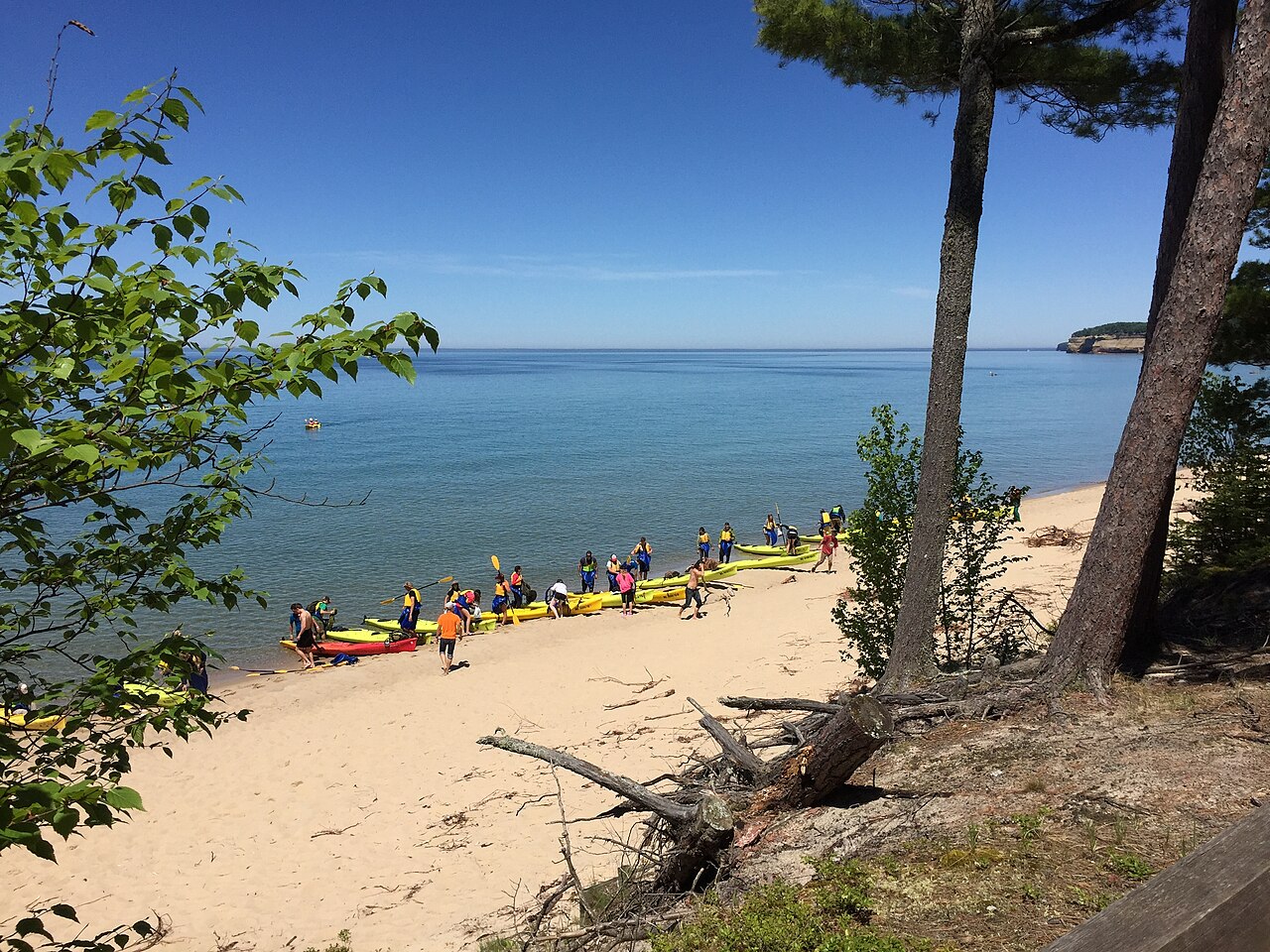
Local help shows up, too. Mike Cannata, who runs a pizza place and is vice-president of a pond association, lends his pontoon boat for cleanups. He’s been on that lake for 55 years and describes the loan, cheerfully, as redemption: this is his chance to take out the stuff he suspects he put in.
At the end of the day everything gets piled on the beach and sorted for proper disposal. The women do not work for free. They insist on being paid in cookies. 🍪
The part that isn’t about trash
Word got out. OLAUG has been contacted by people in eleven states and three countries asking how to start one, so they wrote a manual.
But the thing the members themselves keep bringing up isn’t the tonnage. Susan Dropo, from Sandwich, says it plainly: it’s the best thing in the world, and it’s what they all didn’t know they needed. Another member’s summary of why she’s out there in a wetsuit instead of somewhere warm and dry: “I don’t quilt, I don’t crochet, that’s not how I’m going to fit in as I age. This feeds you in a different way.”
Baur, who is direct about this: by the time a woman is in her late sixties she has lost things — people, homes, health, security. Her group’s stated mission is to inspire women over 65 to use their power for the good of the planet and the good of each other. And her line about the whole enterprise is that OLAUG’s real service isn’t just cleaning ponds; it’s spreading the joy that comes from being involved with nature and working to protect it.
“We’re not just aging actively,” she says. “We’re growing. We’re learning. We’re expanding. Life is getting better and better, and we have true adventures.”
Why this is on a good-news blog
Because of where it lands. Strip away the excellent name and the Corvette and the toilet, and what you have is a woman in her eighties, in the water, on one breath, eight feet down, in the dark, wrestling somebody else’s garbage out of the mud — because she got fond of some turtles and wanted them to have a nicer place to live.
At 86, Susan Baur is still diving. And every spring, a fresh group of women turn up at a pond on Cape Cod to swim half a mile against a stopwatch, because they’d like to be let in.
The world does that kind of thing more often than you’d think. 🐢💛
Their own photographs — the real ones, of the real divers, grinning on the beach next to a heap of somebody’s old dock — are at olaug-ma.com. Seen something wonderful in your own corner of the world? Sign the guestbook and tell us.


