

To understand pox, you have to start with the word itself — because the word is the whole story.
It’s spelled pox but said “posh,” and it comes from Tzotzil, one of the Maya languages still spoken every day in the highlands of Chiapas, in southern Mexico. And here is the part that stops you: in Tzotzil, pox doesn’t translate to “booze” or “shot” or “spirit.” It means medicine. Cure. Healing. The same word does duty for the thing that mends you and the clear liquid in the jar. To the people who invented it, those were never really two different ideas. 🌿
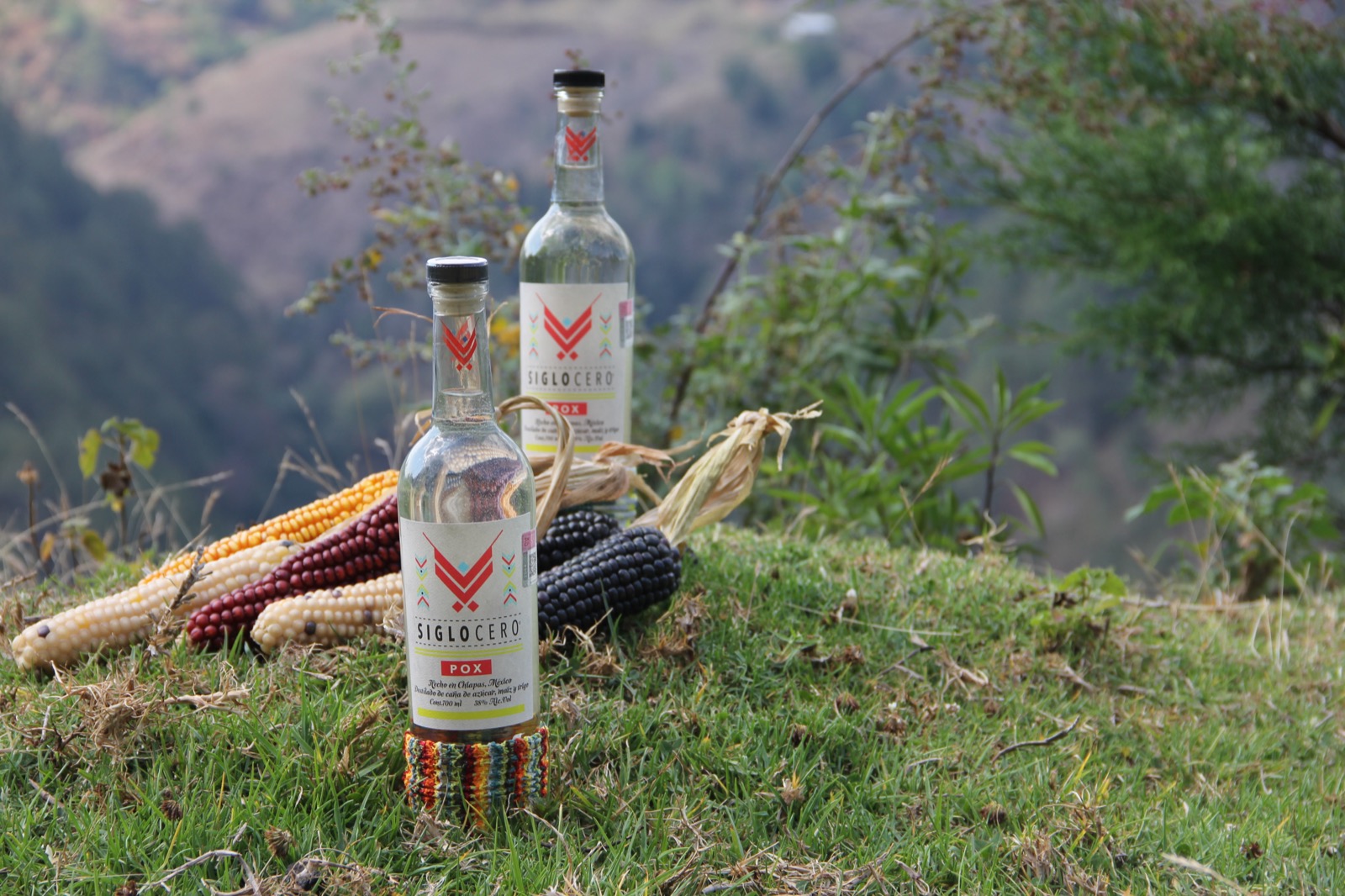
Made of the sacred grain
Pox is a distilled spirit, clear as water, and it is built mostly from maize — corn — which is not a small detail in this part of the world. In Maya thought, maize isn’t just a crop; it’s the substance people themselves were made from. The old creation story in the Popol Vuh has the first humans shaped out of ground maize. So a spirit distilled from corn isn’t a novelty flavour. It’s a drink made from the same thing the world was.
To that heart of maize, makers usually add sugarcane and a little wheat — the exact proportions vary from family to family, valley to valley. The grain is cooked and fermented, then distilled, traditionally in simple pot stills, sometimes over a wood fire, in the cool thin air of the mountains. What comes out is strong, faintly sweet, and unmistakably of a place — the way a good regional drink always tastes a little like the ground it grew on.
Where it lives: the highlands of Chiapas
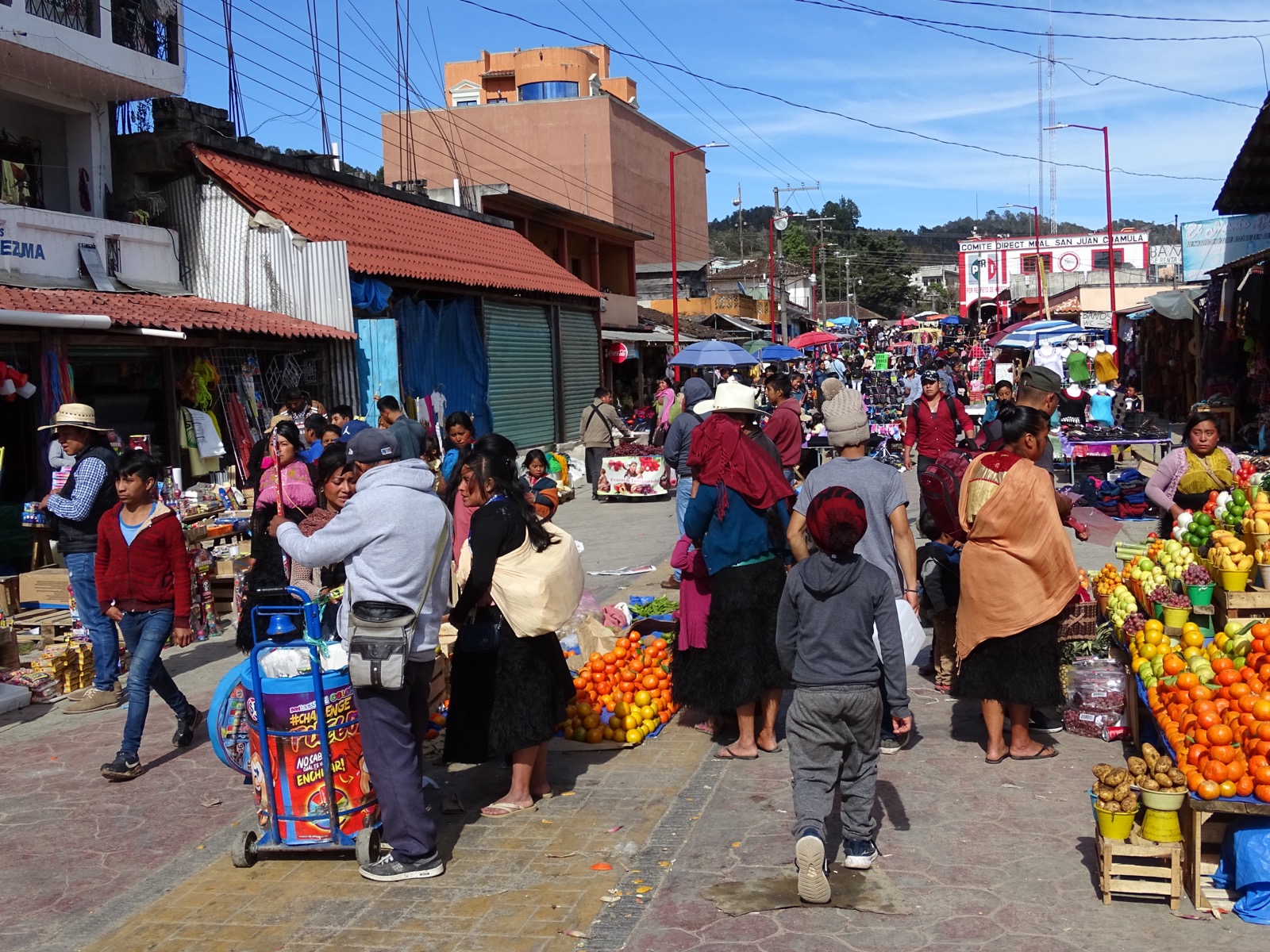
The home of pox is Los Altos de Chiapas — “the Chiapas highlands” — a folded country of pine forest and mist above the colonial town of San Cristóbal de las Casas. This is Tzotzil and Tzeltal Maya country, communities like San Juan Chamula and Zinacantán, where people wear woven wool and embroidered flowers, where the market is the town square, and where the mountains are treated as living, listening things.
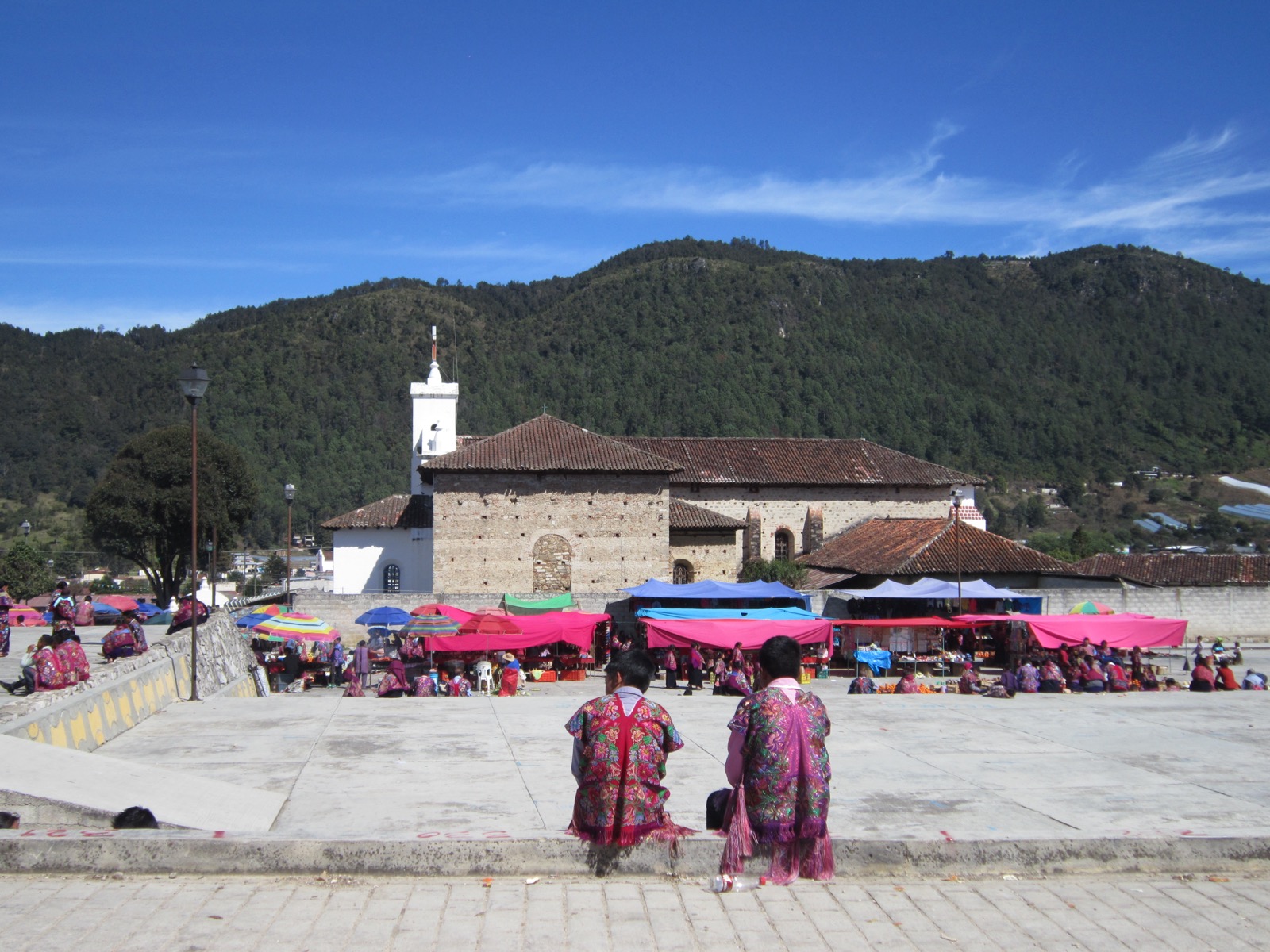
It matters that pox comes from here and not from a factory somewhere flat and far away. For a long time this was a drink that essentially never left the highlands. You couldn’t buy it in Mexico City, let alone abroad. It was made in the community, for the community, for reasons that had nothing to do with a bar. To drink pox was to be in Chiapas, among these particular mountains, taking part in something the neighbours had been doing for a very long time.
Not a drink so much as a prayer
This is the heart of it, and the reason pox is treated with such care: for generations it was, above all, ceremonial.
Pox is what you pour on the ground for the earth before you take any yourself. It’s shared with the mountains and the ancestors as a way of saying thank you and please look after us. It appears at the big hinge-moments of a life — a birth, a wedding, a harvest, a healing — and in the work of the healers, the traditional curers who use it as part of ritual to set things right. The word “medicine” is not a metaphor here. In the old understanding, a measured amount of pox, offered correctly, was a way of opening a channel between people and the powers that keep the world running.
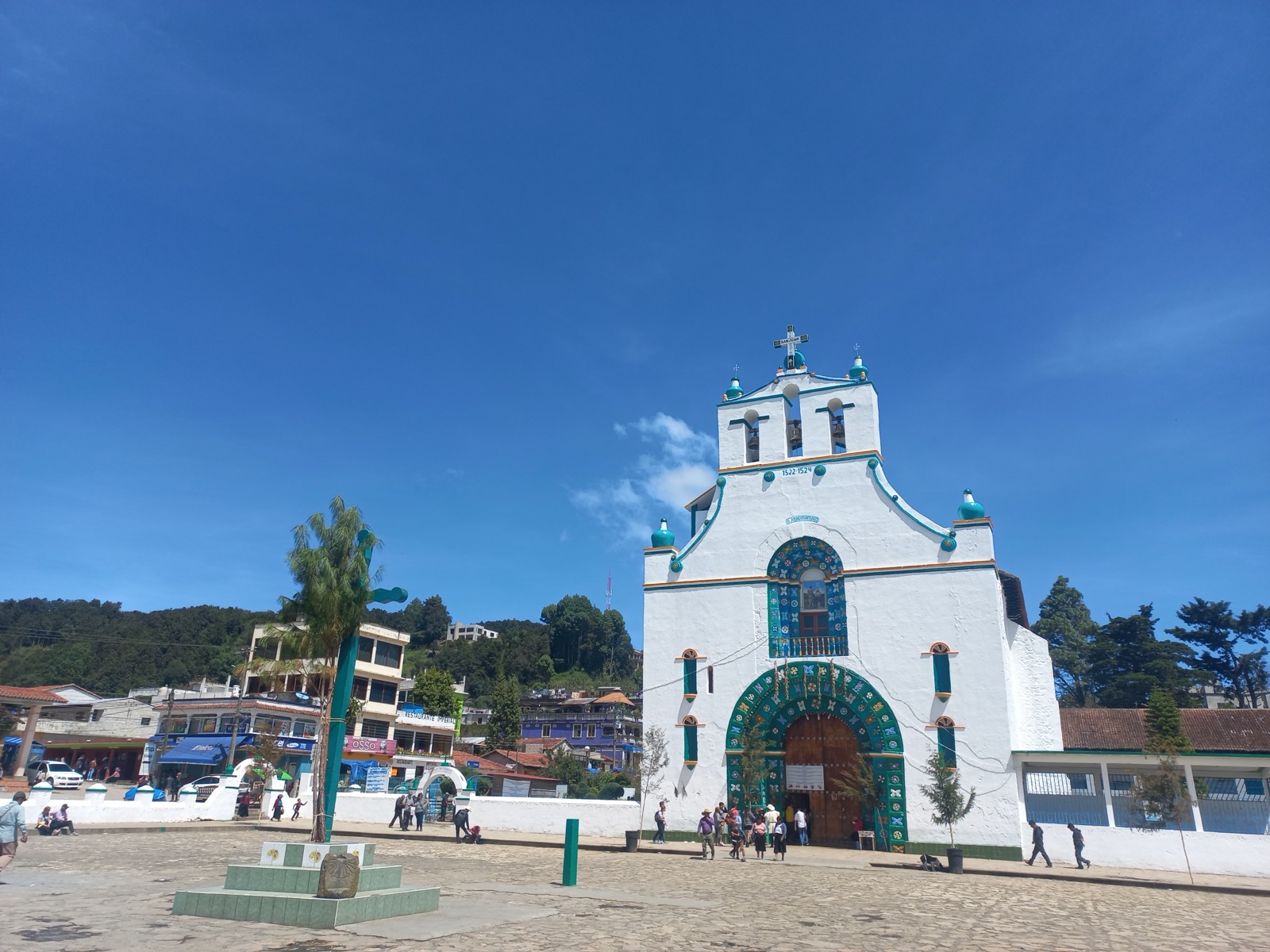
Nowhere is that clearer than inside the famous church of San Juan Bautista in San Juan Chamula. Step through its doors and there are no pews; the floor is spread with fresh pine needles, lit by thousands of candles, and families kneel to pray in a form of worship that braids Catholic saints together with far older Maya practice. Pox has a place in that room — a swallow taken as part of prayer and healing. (These days a fizzy soft drink is often used in its place, the belch it produces understood as a small releasing of bad spirits — a reminder that living traditions keep quietly rewriting themselves.) 🙏
The revival: a highland secret goes out into the world
For most of its history pox stayed home. What’s changed, and what makes this a good-news story, is that a new generation has decided the wider world should get to know it too — respectfully, and on Chiapas’s own terms.
Small craft distilleries in Chiapas now bottle pox properly — labelled, dated, sold in the tasting rooms of San Cristóbal and beyond — so that a spirit which once never left the mountains can be found on shelves in Mexico City and, increasingly, abroad. The bottles in the photo up top are one such maker; there are now several, each working from the traditional maize base and each careful to say where the drink comes from and what it has always meant. Tasting rooms in San Cristóbal walk visitors through it the way a good vineyard walks you through wine: this is the grain, this is the mountain, this is the history in the glass.
It’s the good kind of revival — not a tradition sanded down for tourists, but a community deciding to share something precious while keeping the meaning attached. Buy a bottle and you’re not just buying a drink; you’re helping keep a highland craft, and the families who practise it, in business.
Why this is on a good-news blog
Because pox is proof that a thing can be ordinary and holy at the same time — that a people can take corn, the plant they believe they were made from, and turn it into something they carry up the mountain when they need to say thank you.
It’s on this blog because somewhere in the pine forests of Chiapas, right now, someone is cooking maize the slow way their grandparents did, and someone else is pouring the first measure onto the earth before anyone drinks, and a young distiller in San Cristóbal is explaining to a visitor from far away that the word doesn’t mean liquor, it means medicine — and watching that visitor’s face change. A drink that spent centuries never leaving one range of mountains is quietly going out to meet the world, with its meaning still tucked carefully inside. The world does that kind of thing more often than you’d think. 🌽💛
(A grown-ups’ footnote, plainly: pox is an adult beverage, and this post is about its history, place and people — the culture in the cup, not the buzz. Treat it the way you’d treat any regional craft spirit: with curiosity, and in the country of moderation.)
Got a proud tradition from your own corner of the world? Sign the guestbook and tell us about it. ✨


