

Let’s begin, as we must, with the fact — because it is one of the best facts the natural world has ever produced.
Sea otters sleep floating on their backs, out on the open ocean. And because the current would slowly pull a sleeping otter out to sea, away from its friends, they have arrived at a solution of breathtaking tenderness: before they nod off, they reach over and hold paws. 🦦🤝
Two otters, adrift, asleep, holding hands so they wake up together. That is a real thing that happens in the real ocean, right now, today.
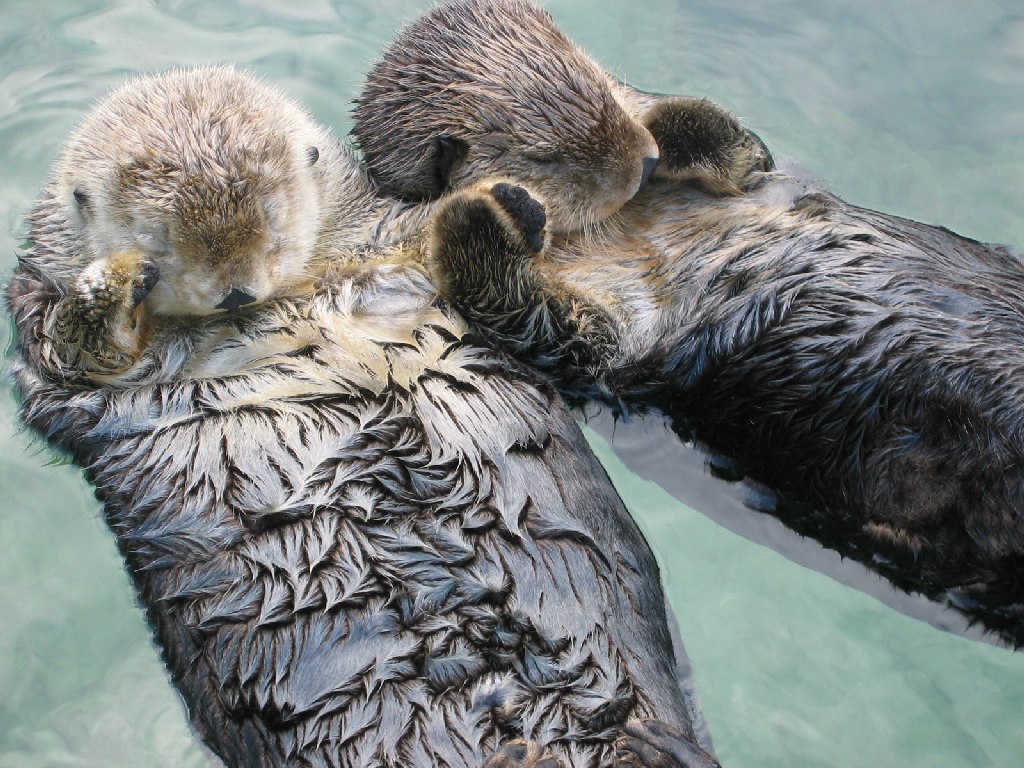
The word for a bunch of otters is even better
A group of sea otters floating together has a name, and the name is a “raft.” A raft can be a cozy handful, or it can be dozens of otters, and in a few famous spots along the Pacific coast, rafts of over a hundred have been counted — a great bobbing archipelago of napping animals, paws linked, rising and falling on the swell.
They also invented the seatbelt
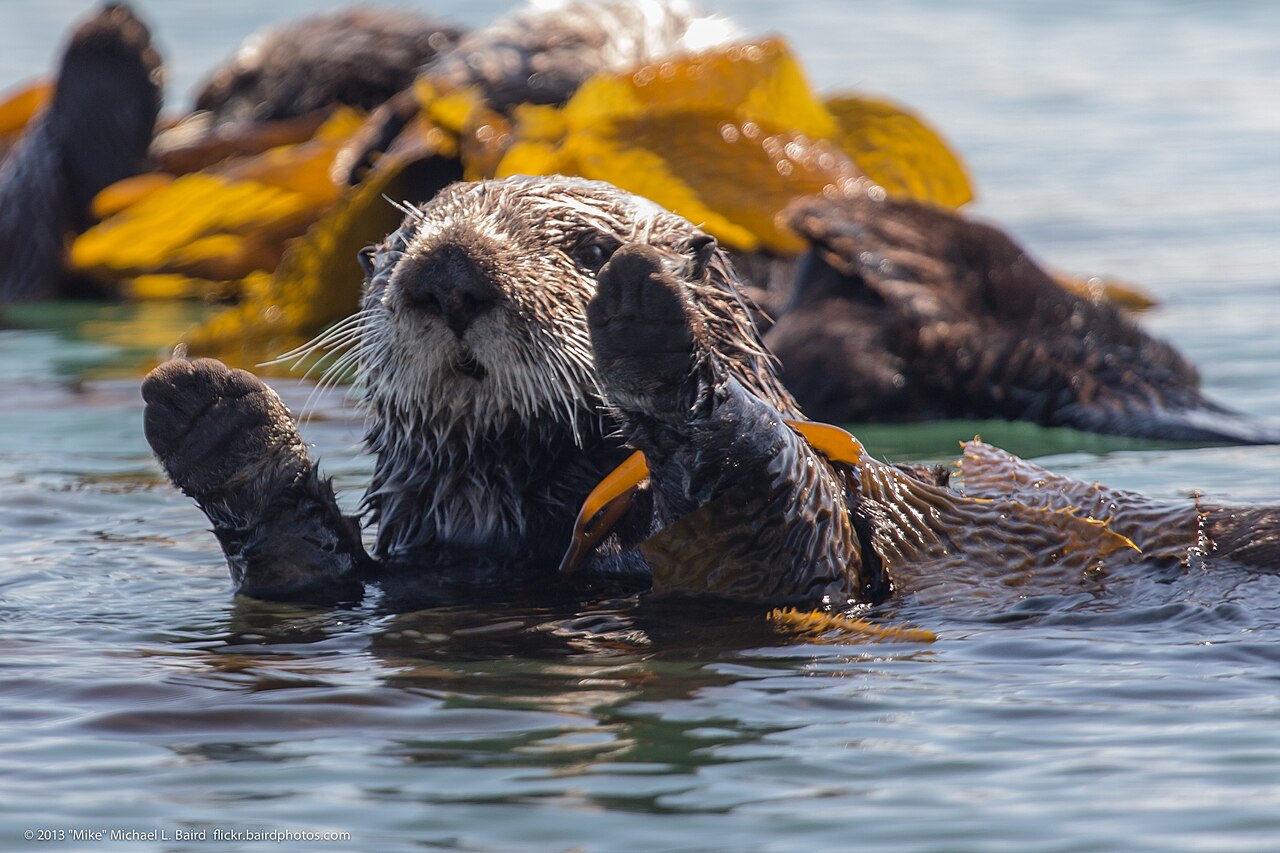
Holding hands is only the backup plan. The primary anchoring strategy is even more charming: a sea otter will wrap itself in a strand of kelp — draping the long seaweed over its belly like a blanket, or clipping it around itself like a seatbelt — so it stays tethered in one spot while it sleeps. Mothers do this for their pups, too, buckling the baby in with a length of kelp before diving down to hunt, so it can’t float away.
The fur, the pocket, and the favorite rock
A few more otter superlatives, because they keep getting better:
They have no blubber. None. The thing keeping them warm in the frigid North Pacific is entirely their fur — and it is the densest fur of any animal on Earth, up to roughly one million hairs per square inch. A single otter has more hairs than there are people in a large city. They spend a huge share of the day grooming it, because that fluffy air-trapping coat is quite literally their life-support system.
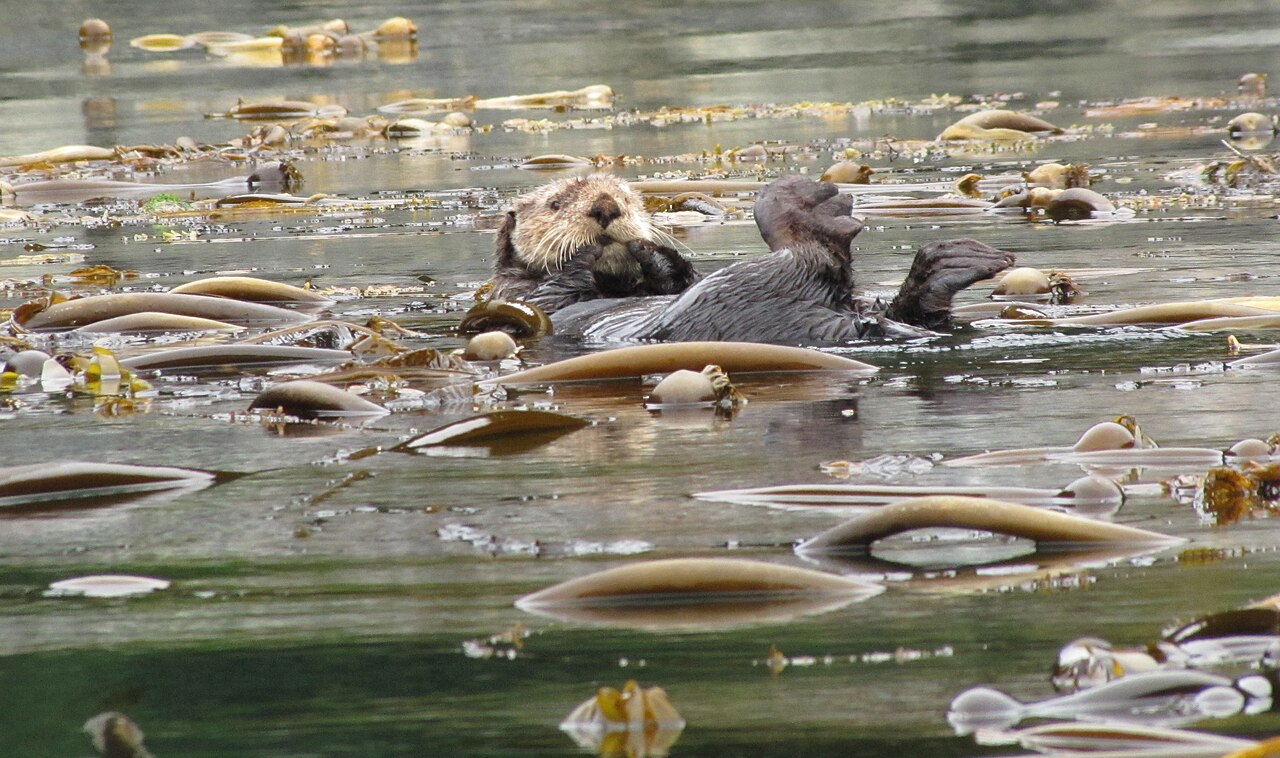
They’re also tool users — one of the few outside the primates. An otter will find a favorite rock, and here is the part that undoes me: it keeps that rock in a loose pouch of skin under its armpit, a little built-in pocket, and pulls it out to hammer open clams and mussels on its own chest. Some otters keep the same prized rock for a long time. A pet stone. A signature tool.
And they quietly save the whole forest
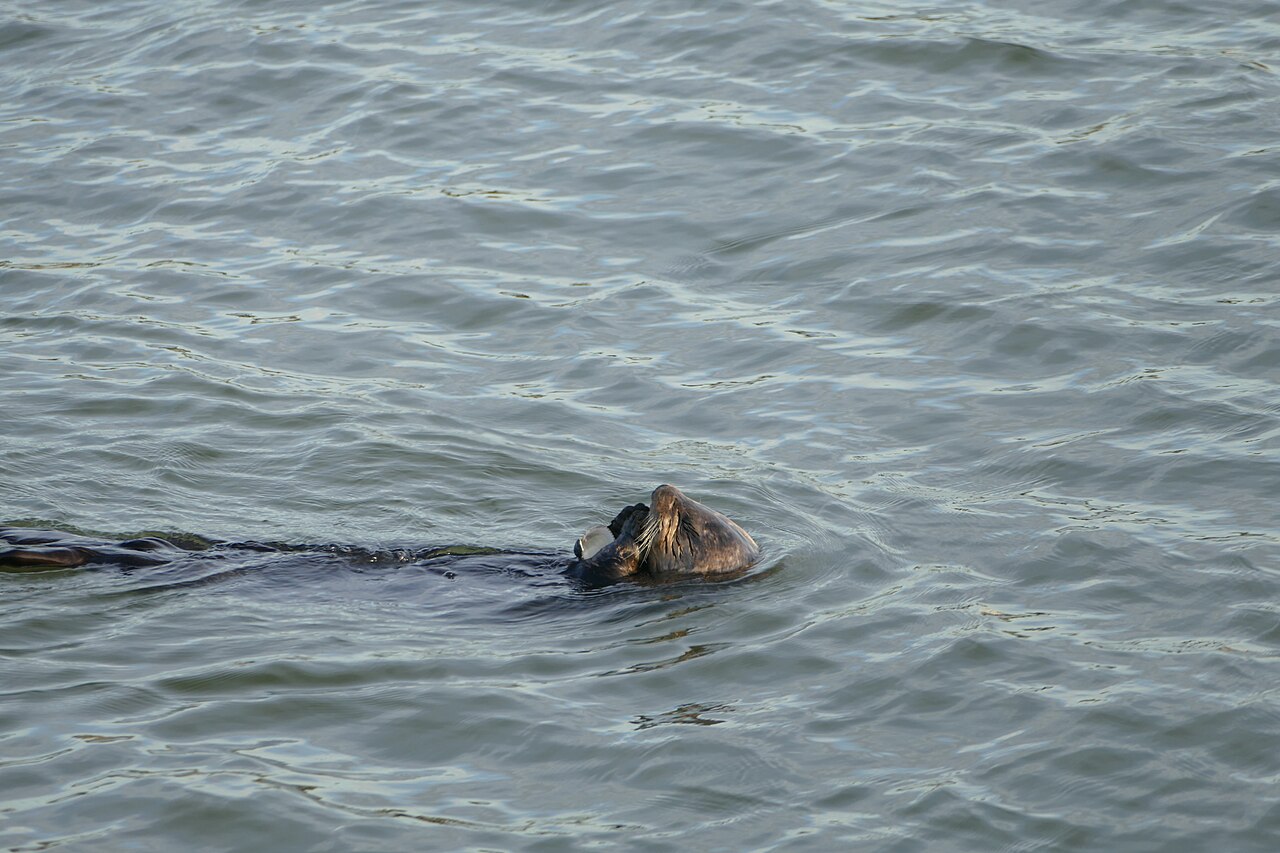
Here’s the last one, and it’s the kind of fact that makes the ocean feel like it’s looking out for itself. Sea otters eat an enormous amount — up to about a quarter of their body weight every day — and a big part of that diet is sea urchins. Left unchecked, urchins mow down kelp forests, turning lush underwater woodlands into bare “urchin barrens.”
So the otters, just by being hungry, keep the urchins in check and let the kelp forests flourish — and those forests shelter fish, absorb carbon, and calm the coastline. A napping, hand-holding, rock-in-its-armpit little animal turns out to be a keystone of the entire ecosystem. 🌊
They are not trying to save the world. They are trying to eat lunch and hold their friend’s hand while they sleep. The world just happens to be better because they exist.
😊 Smile Fact
When a raft of otters settles in for the night, they don’t just hold paws at random. They tuck into the kelp beds together, buckle in, reach out, and link up — a whole floating neighborhood holding hands under the stars so nobody wakes up alone somewhere out at sea.
Somewhere off the coast of California, that is happening tonight. It happened last night, and it will happen tomorrow, and no one had to organize it or fund it or approve it. It’s just how otters have always done it. 🦦💛


