

Head into the dry, sun-baked hills of the Similkameen Valley in southern British Columbia — sagebrush country, one of the only pockets of true desert in Canada — and just off the highway near the town of Osoyoos you’ll find a small lake that does something wonderfully odd. For part of the year it’s an unremarkable shallow pond. But come summer, as the desert heat goes to work, the water begins to evaporate away — and what it leaves behind is a lakebed dappled with hundreds of colored spots, like a giant sheet of polka-dot fabric laid out under the sun. 🔵
Its English name is simply Spotted Lake. In the language of the people who have always known it, it’s Kłlil’xʷ.
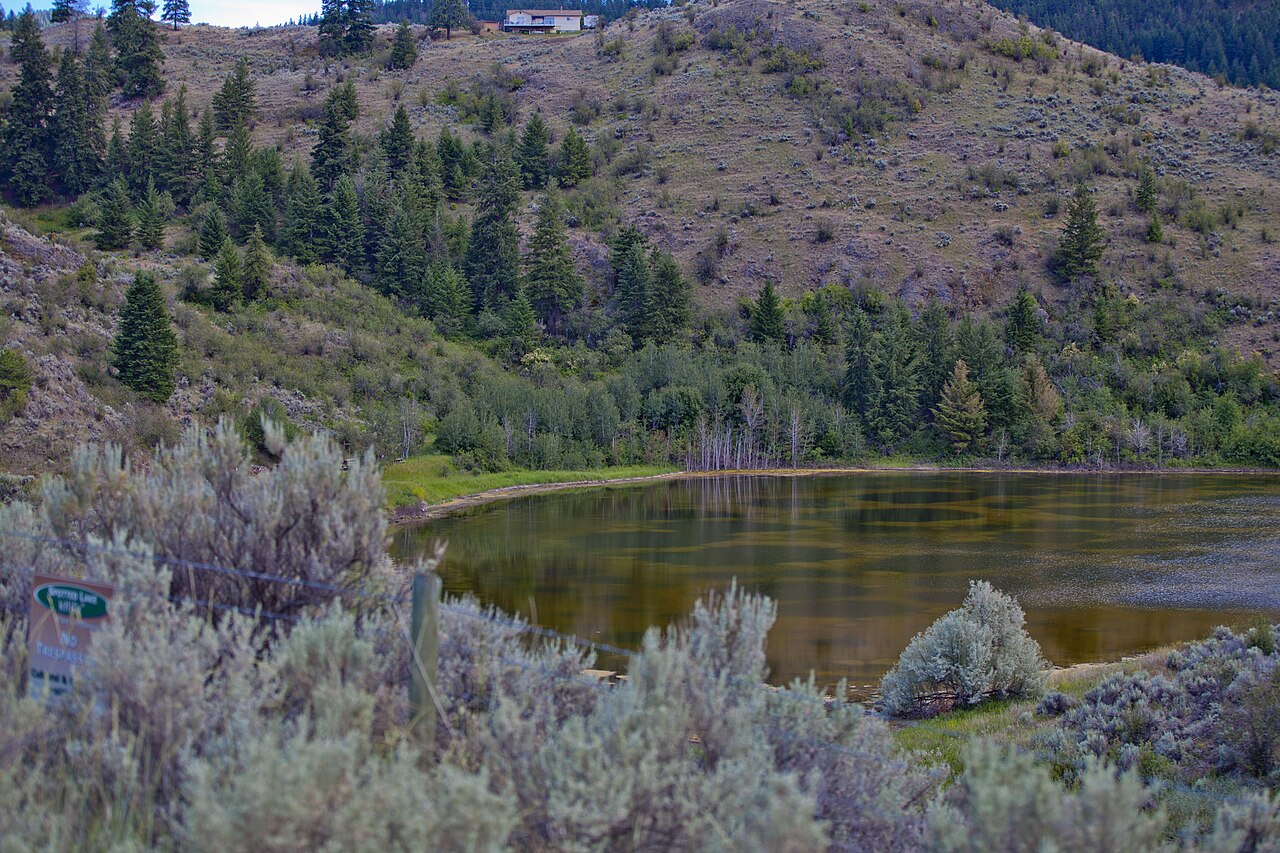
So what makes the spots?
It’s all in the water — or rather, in what’s dissolved in the water. Spotted Lake is what’s called an endorheic lake: water flows in, but none flows out, so anything the water carries just stays and builds up. Over a very long time, that’s left the lake extraordinarily rich in minerals — enormous amounts of magnesium sulfate (the same stuff as Epsom salts), along with calcium and sodium sulfates and traces of other minerals.
Through the wet, cool months the lake looks ordinary, a shallow spread of mineral-heavy water. Then summer arrives and the desert sun starts pulling the water up into the sky. As the lake shrinks, it doesn’t dry down as one flat sheet — it separates into hundreds of individual pools, each one a little basin of concentrating brine. And because the mix of minerals settles unevenly, each pool takes on its own color: cool blues and greens where the magnesium sits, paler yellows and whites elsewhere. 🧪
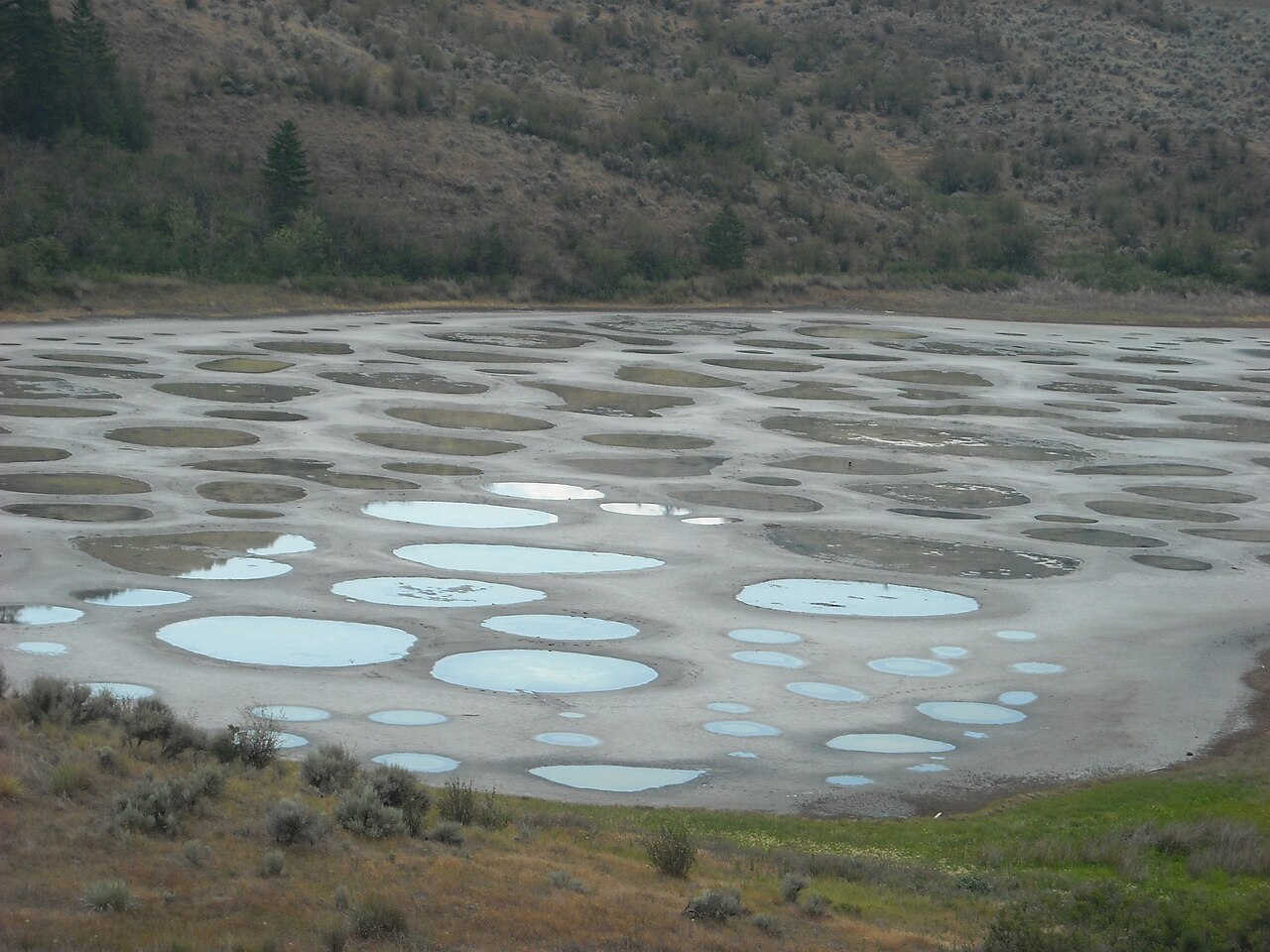
Here’s the part that tips it over into pure magic: as the pools keep drying, the leftover minerals harden around their edges into raised, pale, crusty rims. Those rims join up into a network of natural walkways running between the spots — so the whole lakebed becomes a tidy grid of colored pools with little mineral paths threading between them. Nobody built it. The lake just does this, every summer, all by itself.
A place of healing, looked after with care
Long before it became a thing tourists pull over to photograph, Spotted Lake was — and remains — a sacred medicine lake to the Syilx Okanagan people. Its mineral-rich waters and muds have been valued for healing across many generations, and the site is treated with real respect and reverence. This isn’t a curiosity to them; it’s a living place with a long relationship to the people of the valley.
For a long stretch of the twentieth century the land around the lake was privately held, and at various points there were plans that could have changed it — during the First World War, minerals from the lakebed were even reportedly gathered up for use in ammunition manufacturing. But in 2001, after years of negotiation, the Syilx Okanagan Nation purchased roughly 22 hectares of the site, bringing the lake back into the care of the people it has always belonged to. 🌿
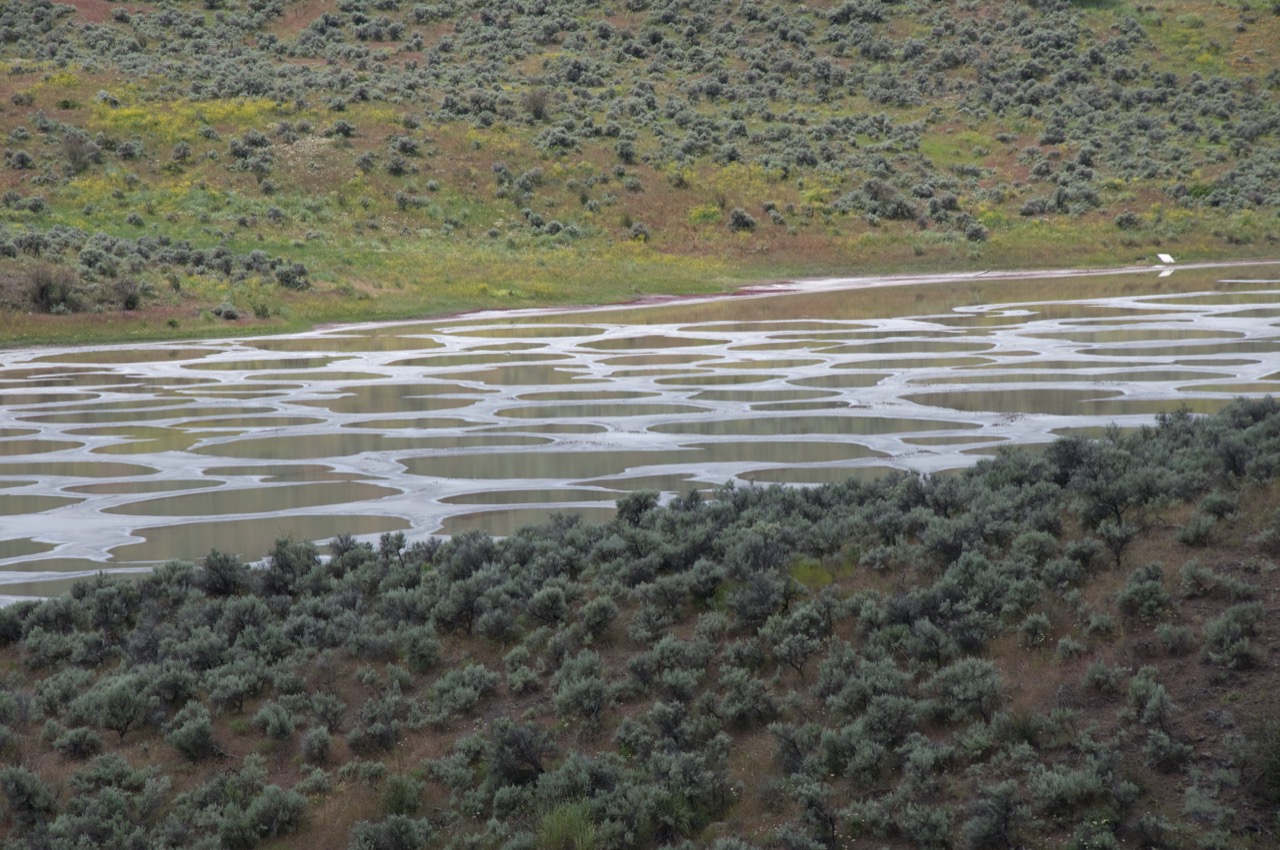
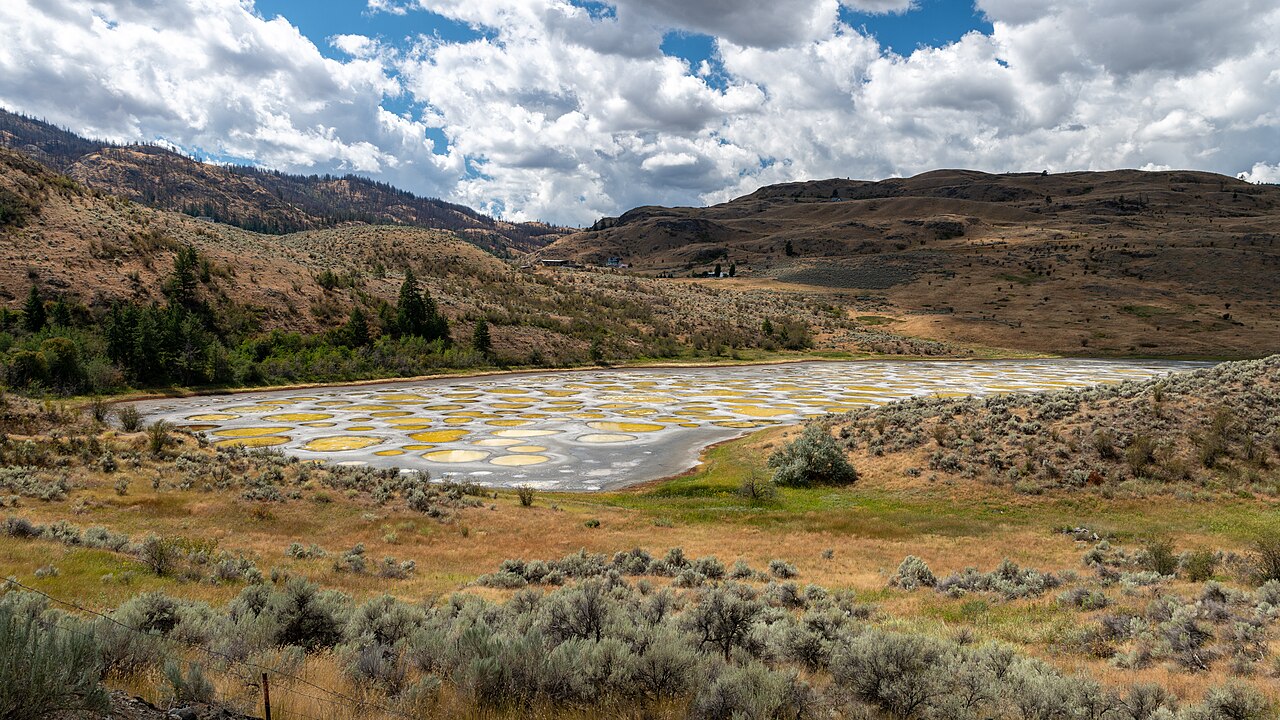
Today you view the lake from the roadside, behind a fence — you don’t walk out onto the spots, and that’s exactly right. It keeps the fragile mineral pools intact and honors the site as the sacred place it is. You can see the whole polka-dot spread perfectly well from the edge, which is a lovely arrangement: everyone gets to marvel, and the lake gets to stay itself.
Why this lives on a good-news blog
Because Spotted Lake is a two-part kind of wonderful. First there’s the plain delight of it — a lake that spends its summer turning into hundreds of colored polka dots, ringed with mineral walkways, doing chemistry out loud where anyone driving past can see it. The planet quietly running an Epsom-salt art project in the desert, no admission charge.
And then there’s the human half, which is just as good: a place that was almost lost to fences and industry is now back in the hands of the people who have cared for it longest, watched over as the medicine lake it always was — admired from a respectful distance so it can keep on spotting, summer after summer. The world is also doing this: drying a desert lake into polka dots every July, and trusting the people nearby to look after the trick. 🔵💙


