

Twenty-three students at a Dutch university spent a year building a vehicle. Then they put it on a plane, took it to Kenya, and drove it more than eight hundred kilometres on roads that would shake the fillings out of a normal van — to find out whether it could deliver healthcare to people who currently have to travel a very long way to get any. ☀️
It could. It also generated more electricity than it used while doing it.
First: it is not the ambulance you are picturing
This is the thing that reframes the whole project, so let’s get it out of the way.
A normal ambulance takes a patient to a hospital. Stella Juva takes the hospital to the patient. 🚐
The team describe it in exactly those terms: “Whereas a regular ambulance transports patients to a hospital, Stella Juva brings care directly to the people.” What’s inside is not a stretcher and a cardiac monitor — it is a mobile diagnostic clinic. An X-ray machine. An ultrasound. An AED. Cooling equipment for vaccines. Blood tests, tuberculosis and malaria screening, immunisations, pregnancy scans.
And all of it runs off the sun.
How the power works, which is the clever bit
There are solar panels on the roof, which is what you’d expect.
The part you would not expect: when it parks, more panels slide out of the sides. The vehicle stops being a car and becomes a small power station with a clinic attached. On a sunny day the team expect a driving range of 715 kilometres — about 444 miles — with no charging infrastructure required anywhere in that distance.
Here is the result that made the engineering press sit up. During a two-day field test with Amref Health Africa, parked and working, Stella Juva generated more solar energy than it consumed while using all of its medical equipment simultaneously.
Not “enough.” More than enough. An X-ray machine, an ultrasound, a fridge full of vaccines, all running at once, all day, and the battery goes up. ⚡
The Kenya run
They tested it around Narok, in southwest Kenya. It is road-legal, so they took it on both tarmac and dirt — the actual mix of surfaces it would face in service.
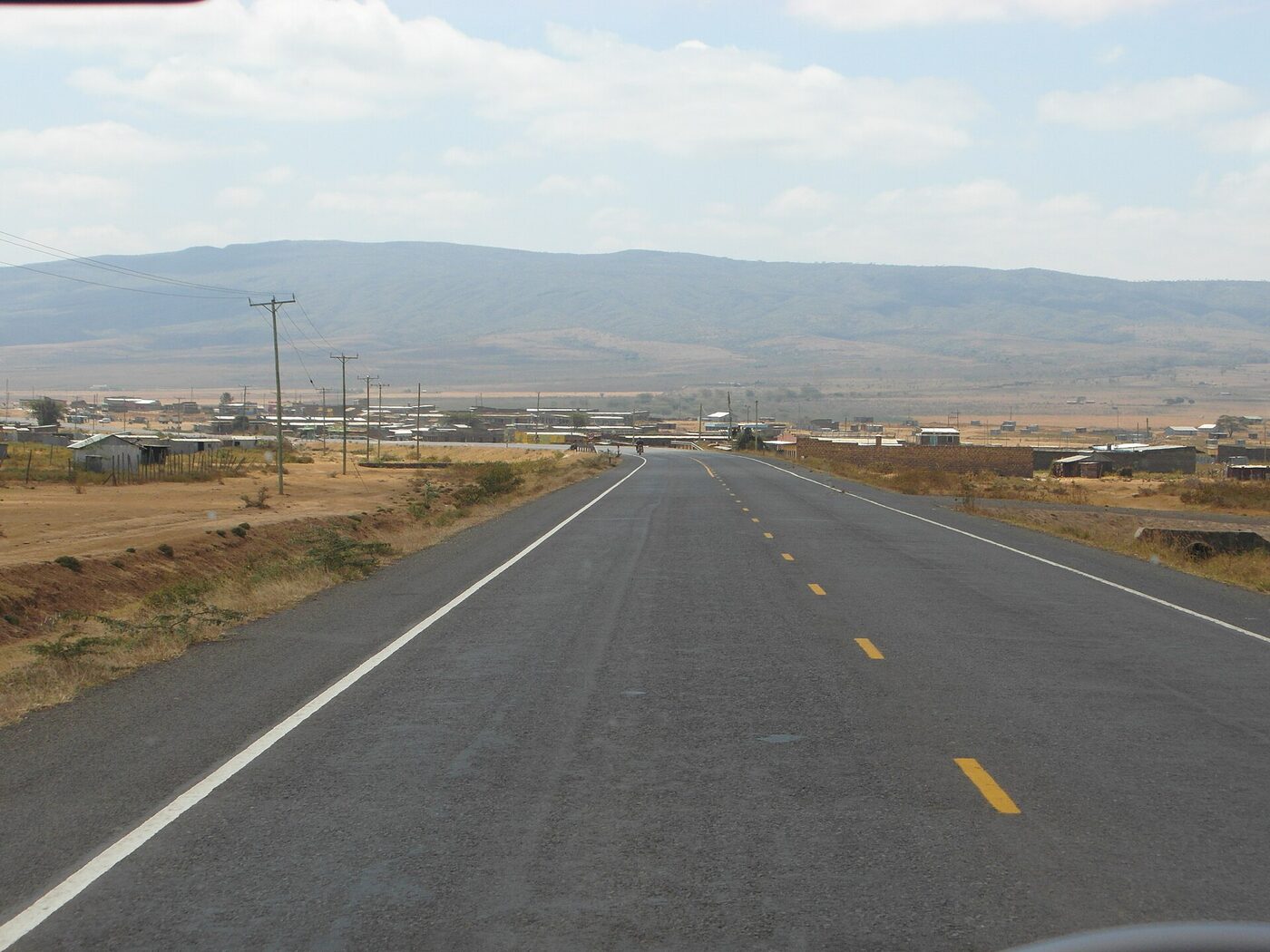
At one point, reaching a remote field location at Mosiro, the team spent six hours on what they call “challenging roads.” Six hours. In a one-year-old student-built prototype, in a country none of them live in, with an X-ray machine in the back.
Total distance covered: more than 800 kilometres.
Total mechanical failures: one broken steering rod, which they replaced in half an hour, after which — in the team’s own understated phrasing — “the vehicle hardly ran into any problems.”
What it was actually for
The team built this with Amref Health Africa, which you may know by its older name: the Flying Doctors. They have been doing this work for nearly seventy years.
Amref’s project lead for maternal and child health, Geoffrey Sadera, explained what the vehicle changes, and it is worth reading the whole thing:
“In Narok, long distances and unreliable electricity still make quality healthcare difficult to access. Stella Juva can bring not only health workers to remote communities, but also the power and medical equipment needed to examine and diagnose people on the spot. For example, during a single outreach, 30 to 40 pregnant women could receive an ultrasound in their own community. And Narok is not alone: one third of Kenya’s counties face similar challenges and high levels of maternal and child mortality.”
Over the two-day test, the team calculated it could have provided care to roughly 200 people. 🩺
Team manager Mathijs van Gerven put the engineering half of it simply:
“Not only to drive sustainably, but also to be able to provide fully independent care. Especially in remote areas where energy is often scarce, this can make all the difference.”
About the photographs (a note, and a small correction)
Two things, because we would rather tell you than have you wonder.
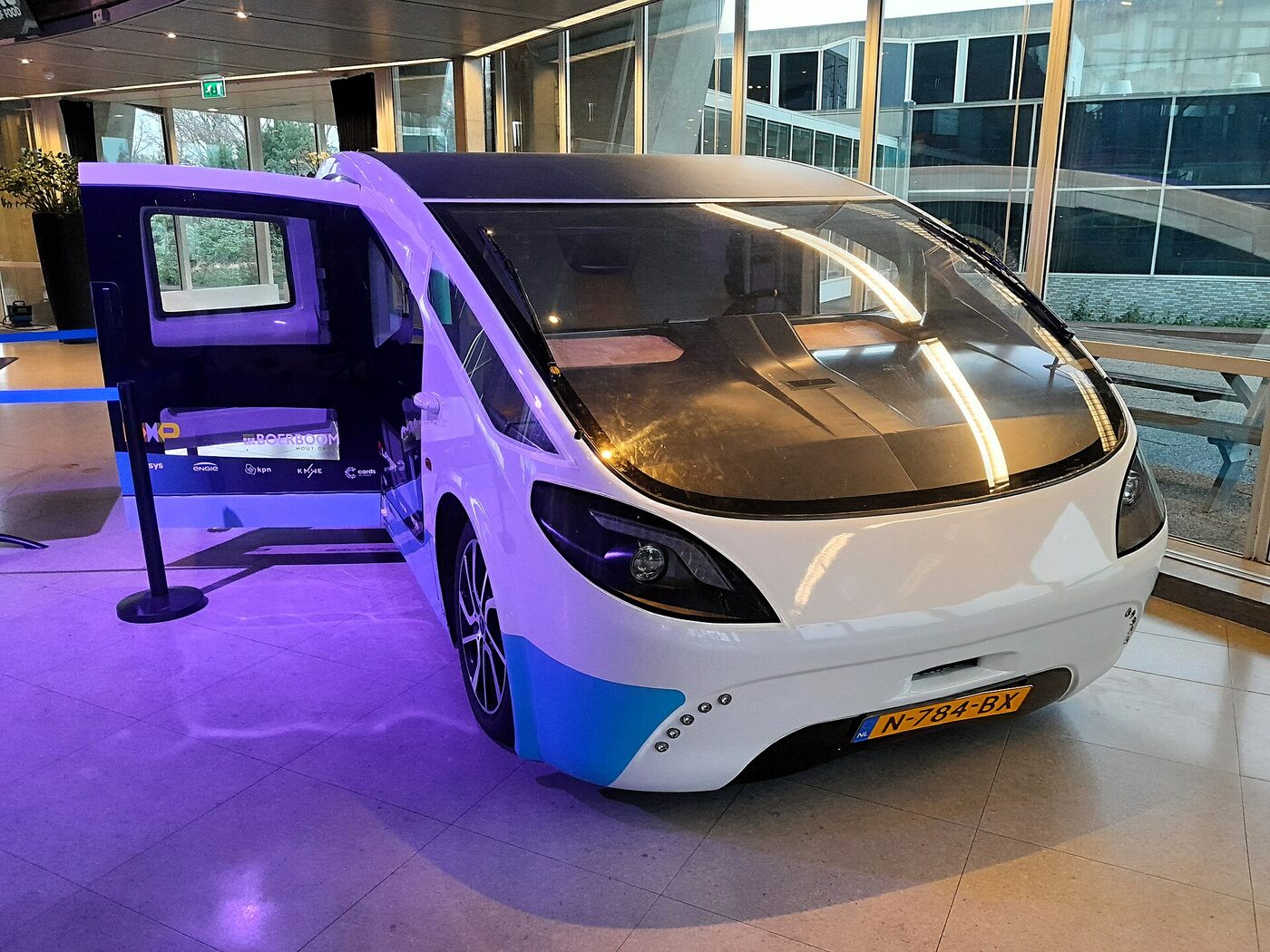
One. There are no pictures of Stella Juva on this page. The team’s photographs are by Bart van Overbeeke and are theirs, not ours, and no free-licensed photo of the vehicle exists yet — we looked. Go and look at the real thing on their site; it is a genuinely beautiful object.
Here’s the nearest honest stand-in we could find — a different vehicle by the same team:
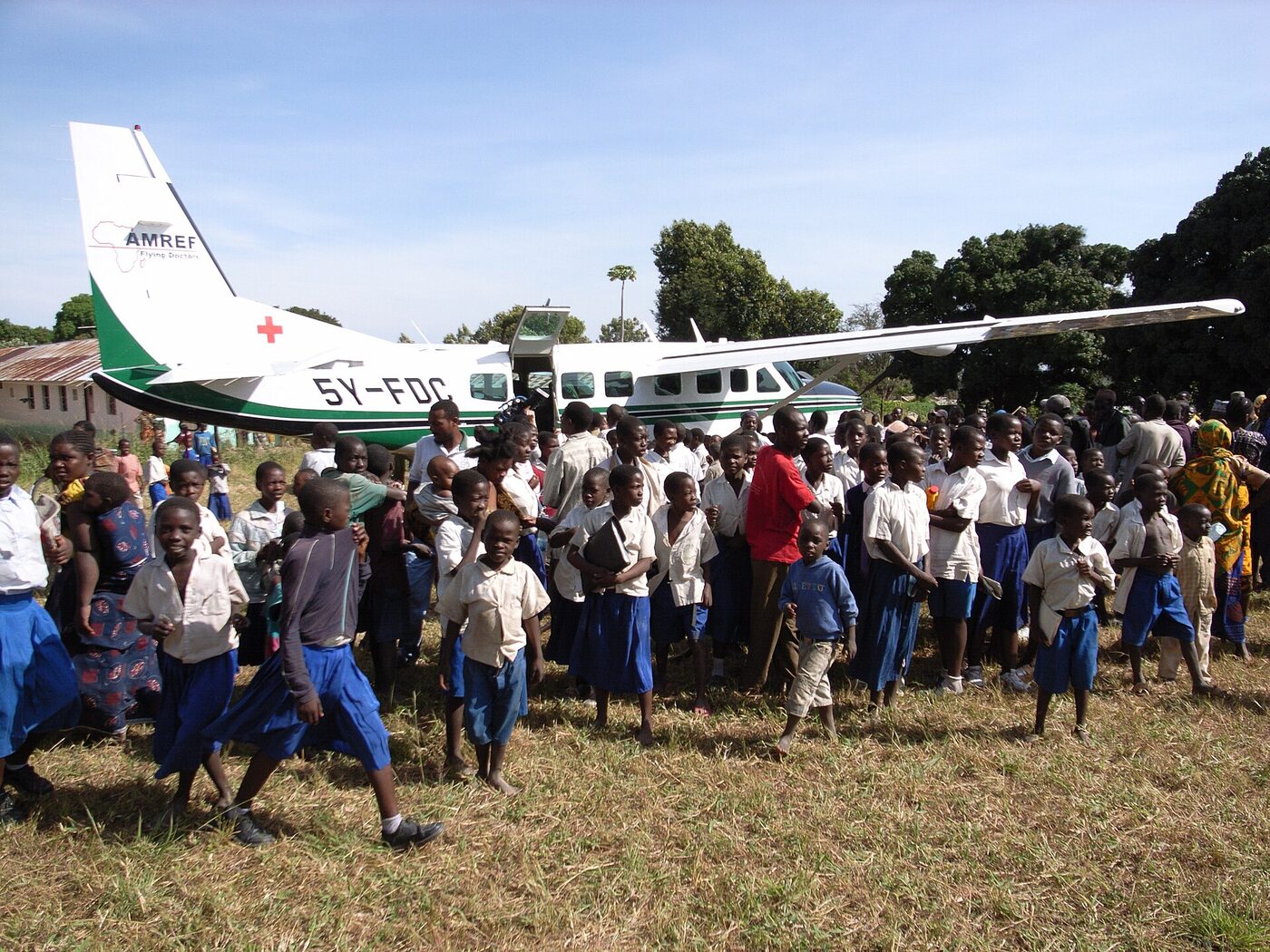
Two, and more importantly. This story reached us in a news digest that packaged it under a headline about South Sudan, with a stock photo of an African village attached. We went looking for the primary source, and the primary source is a Dutch university student team who tested their vehicle in Kenya, with a Kenyan-headquartered health organisation, in Narok County.
Africa is not a country, Kenya is not South Sudan, and Narok is a very long way from Juba. We are mentioning it because the whole point of tracing a story back to whoever actually reported it is that you find out where it really happened. 🌍
Why this is on a good-news blog
Because of the timeline.
December 2025: a student team announces they are going to try to build a solar-powered mobile clinic. 21 July 2026: they reveal it. August 2026: they are driving it through Narok County with an ultrasound in the back. 28 August 2026: they publish the result, which is that it works.
That is one academic year, start to finish, by twenty-three people who are also, presumably, sitting exams.
Van Gerven again, and this is the line we keep coming back to:
“As students, we have shown what is possible when technology and social impact come together. We hope Stella Juva is not the end point, but rather the beginning of something much bigger.”
Nobody has deployed one of these for real yet. It is a prototype and the team say so plainly — they are openly looking for partners to take it further. But somebody has now demonstrated, on real roads, in a real place, with real health workers operating the equipment, that a vehicle can drive itself to a village, unfold, and run a working clinic off nothing but the sky. ☀️💛
That is an extremely good thing to have proven.


