

Let’s begin with a fact so improbable it sounds made up, and is not: there is an animal that poops in cubes. Not roughly cube-ish. Not squarish. Actual little cubes — flat sides, defined edges, the kind of shape you’d expect from a toy factory, not a woodland bottom.
That animal is the wombat, a stout, burrowing, thoroughly huggable Australian marsupial, and it is the only creature on Earth known to do this. Every night it produces 80 to 100 of these neat brown cubes, and for decades absolutely nobody knew how. 🟫
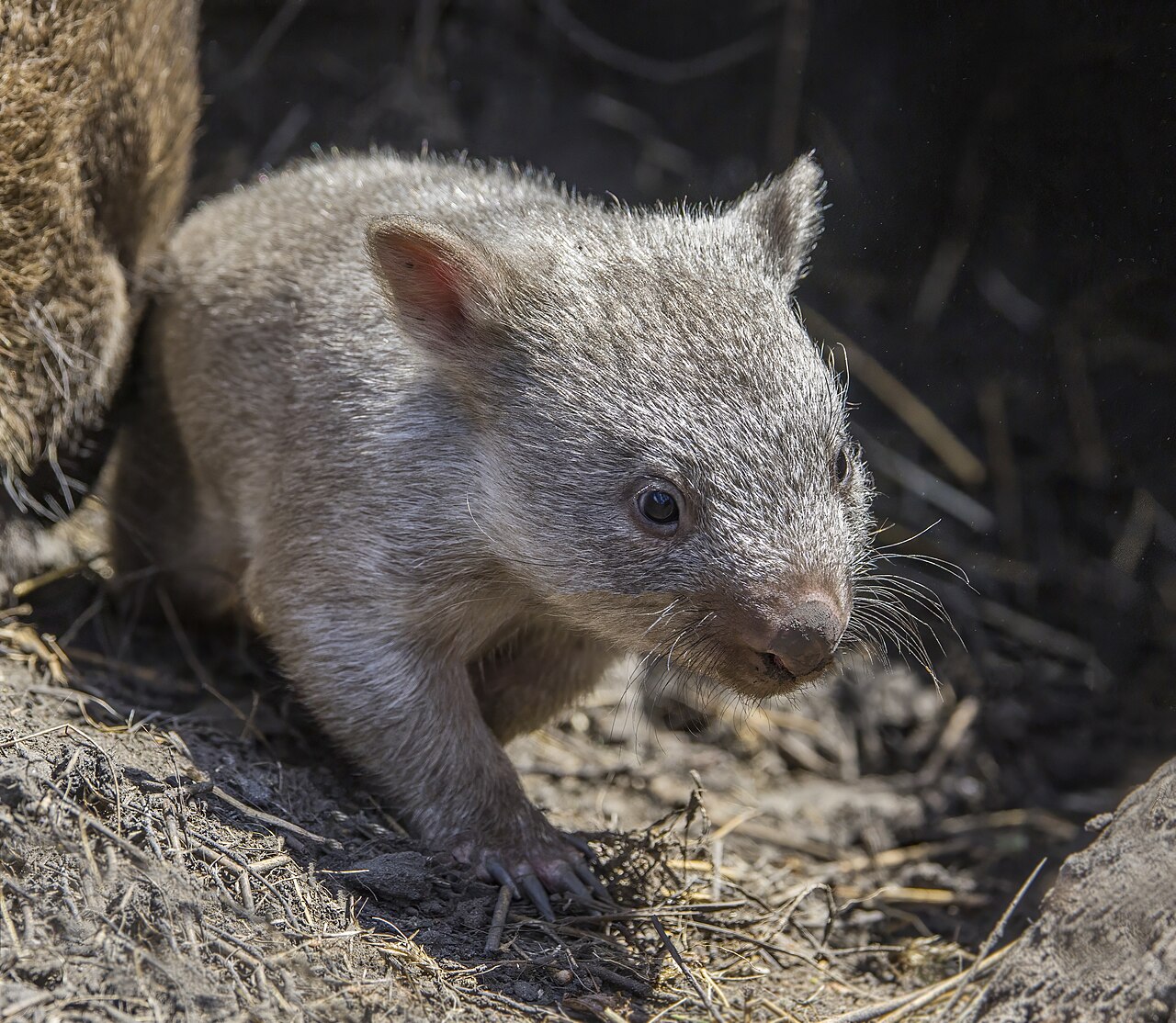
The mystery that bugged scientists for years
For a long time the going assumption was the boring one: maybe wombats just have, you know, a square exit. Reasonable guess! Also completely wrong.
When researchers actually studied wombat intestines, they found something far more elegant. The cubes are formed in the final stretch of the gut, where the intestinal walls have varying elastic stiffness — some sections stretchy, some stiff. As the (very dry, very compacted) waste moves through and the muscles contract, those uneven walls press the poop into flat-sided shapes. The corners form last. By the time everything exits, it’s already a tidy cube, and the wombat’s actual backside is a perfectly ordinary round one. 🔬
But why cubes?
Because cubes don’t roll away. 🪨
Wombats have poor eyesight and communicate largely by smell. They mark their territory by stacking their droppings in prominent spots — on top of rocks, logs, and little mounds, the higher and more noticeable the better. A round pellet placed on a rock would simply tumble off into the grass and lose the message. A cube stays put. It sits there like a tiny scented signpost saying a wombat was here.
So the strange shape isn’t a quirk — it’s a feature. Millions of years of evolution quietly engineered a marsupial that manufactures its own non-rolling territorial building blocks. Nature looked at geometry and said: yes, that’ll do nicely.
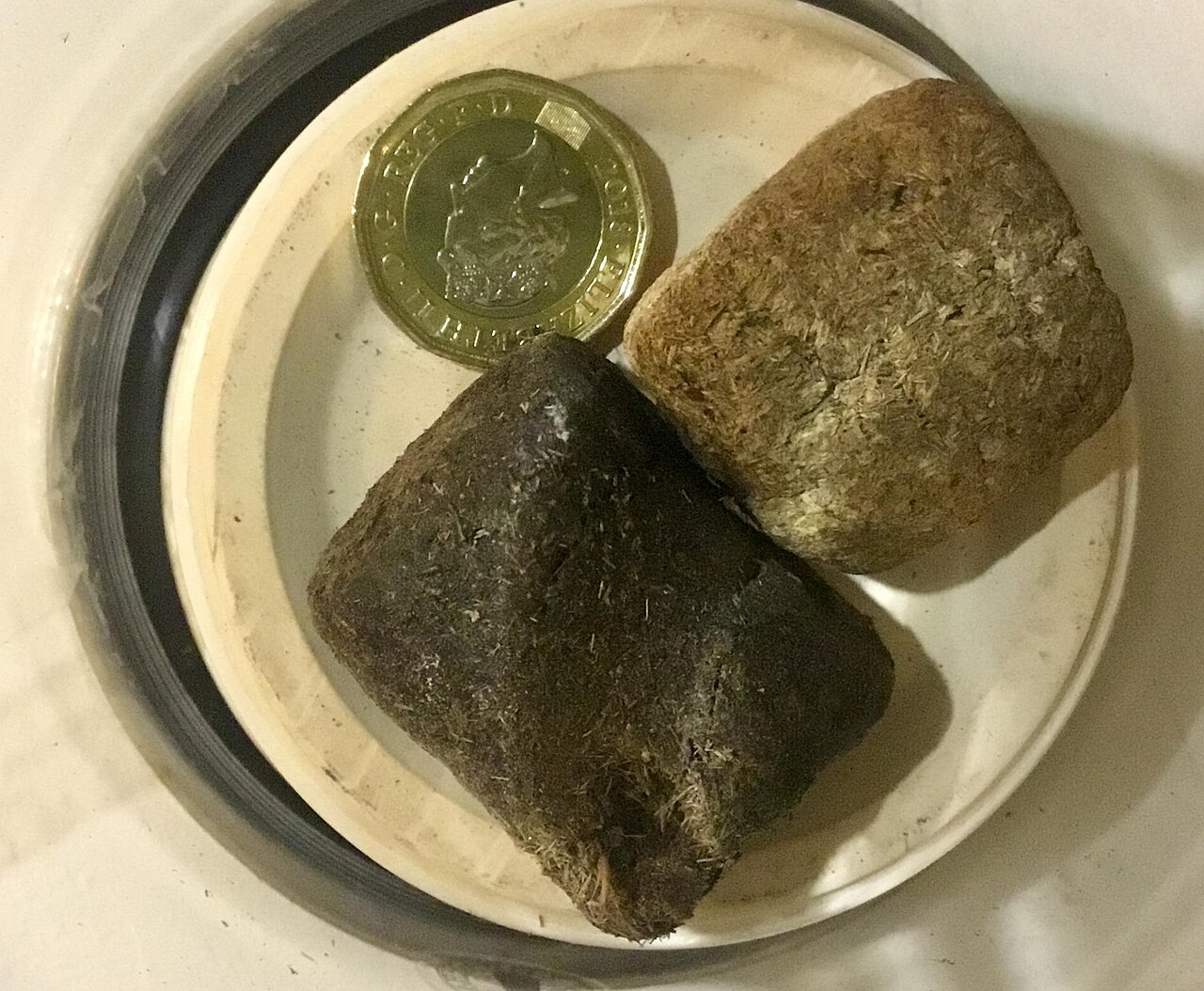
The prize-winning part
In 2019, a research team led by scientists studying the mechanics of it all published how the wombat gut pulls this off — and in the finest tradition of science that makes you laugh and then think, they were awarded an Ig Nobel Prize in Physics. The Ig Nobels celebrate real research on gloriously improbable questions, and “how does a wombat make a cube” is about as on-brand as it gets. 🏆
And here’s the genuinely useful twist: understanding how soft, uniform material can be shaped into flat-sided forms without a mold has given engineers new ideas for manufacturing — potentially new ways to make soft materials into non-round shapes. A humble marsupial’s digestive tract, quietly consulting for the materials-science department. 🏭
More reasons wombats are the best
While we’re here, the wombat has other credentials:
- 🕳️ Backward pouch. Wombats are champion diggers, and a forward-facing pouch would fill with dirt every time they burrowed. Evolution’s fix: their pouch opens toward the rear, keeping the joey clean while mum excavates.
- 💪 Built like a tank. Their rear end is reinforced with tough cartilage — a defensive plate they use to block burrow entrances against predators.
- 🏃 Deceptively speedy. They look like fuzzy barrels, but a startled wombat can hit around 40 km/h in a short sprint.
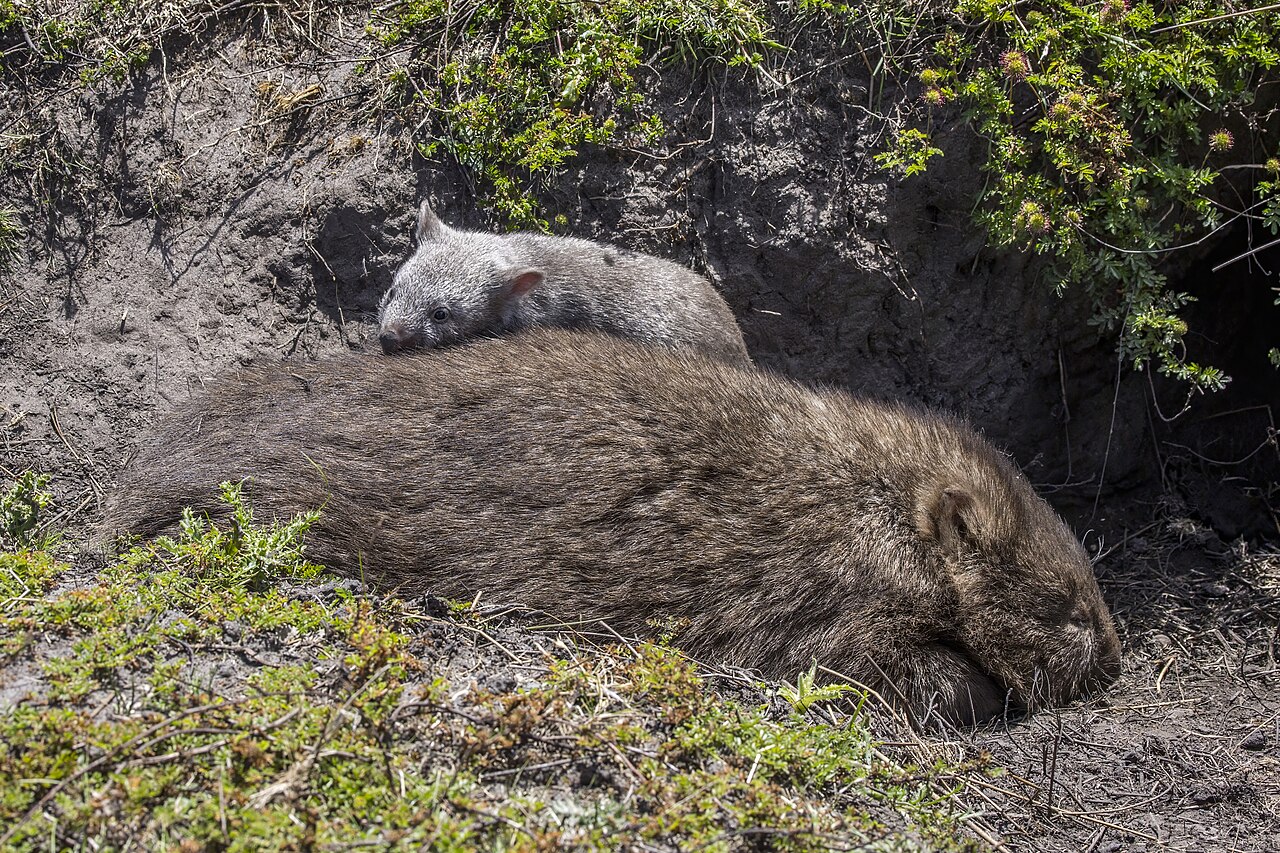
Smile Fact 🟫 — A wombat can produce a fresh cube of poop roughly every ten minutes when it’s busy, and will happily climb to the highest, most visible rock it can find just to set one down where everyone can appreciate it. It is, essentially, a tiny artisan leaving thoughtfully-placed cube sculptures around the countryside. Every single night.
Why this is on a good-news blog
Because the world did not need an animal that poops in cubes. It’s not more efficient in any way that would ever occur to us. It’s just what happened when a burrowing marsupial needed its territory-markers to stay put, and physics obliged with the tidiest possible solution.
And then a team of curious humans looked at this ridiculous, delightful fact and, instead of shrugging, spent real effort figuring out exactly how it works — earned a prize, had a laugh, and came away with ideas that might genuinely help make things. Wonder and usefulness, holding hands.
So tonight, somewhere in the Australian dark, a chubby little wombat is trundling out of its burrow to stack a neat pile of cubes on a favorite rock. The universe is very large and very strange, and it contains this. Long may they trundle. 🟫💛


