

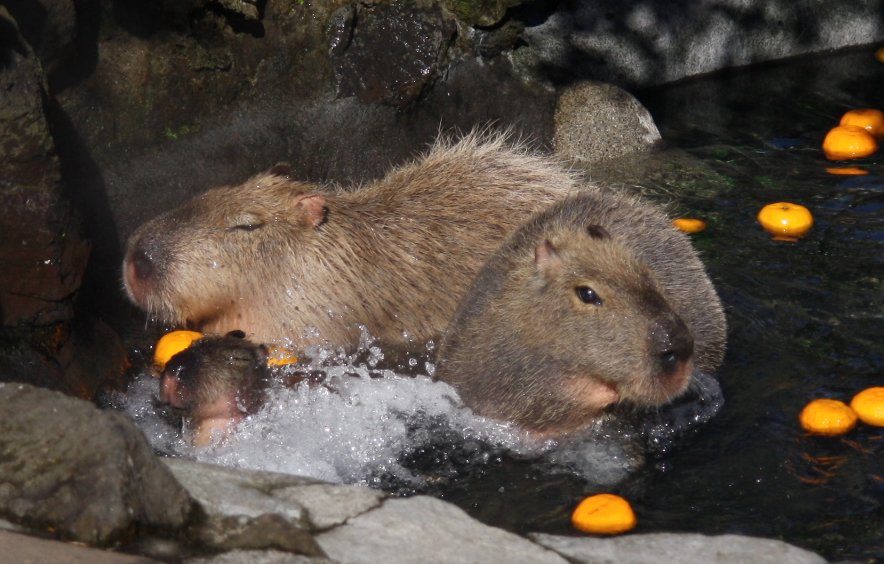
There is a genre of photograph that arrives on the internet every December like clockwork, and it is always the same: a wooden tub, a great deal of steam, a scattering of bright orange fruit floating on the surface — and, sitting in the middle of it, a very large rodent whose face has gone completely, catastrophically slack with contentment.
This is a capybara in a yuzu bath, and it is a real thing that a real country does on purpose, every single winter. 🍊
First: what a yuzu is, and why it’s in the tub
Yuzu is a Japanese citrus roughly the size of a tangerine, with a thick, bumpy, gold-yellow rind and an aroma that is somehow grapefruit, lime and mandarin all arguing pleasantly at once. It is also ferociously sour, so almost nobody eats it straight — the peel and the perfume are the whole point.
It is also stubbornly cold-hardy. Yuzu trees will stand up to frosts that would flatten a lemon. That toughness is why it became the fruit of midwinter.
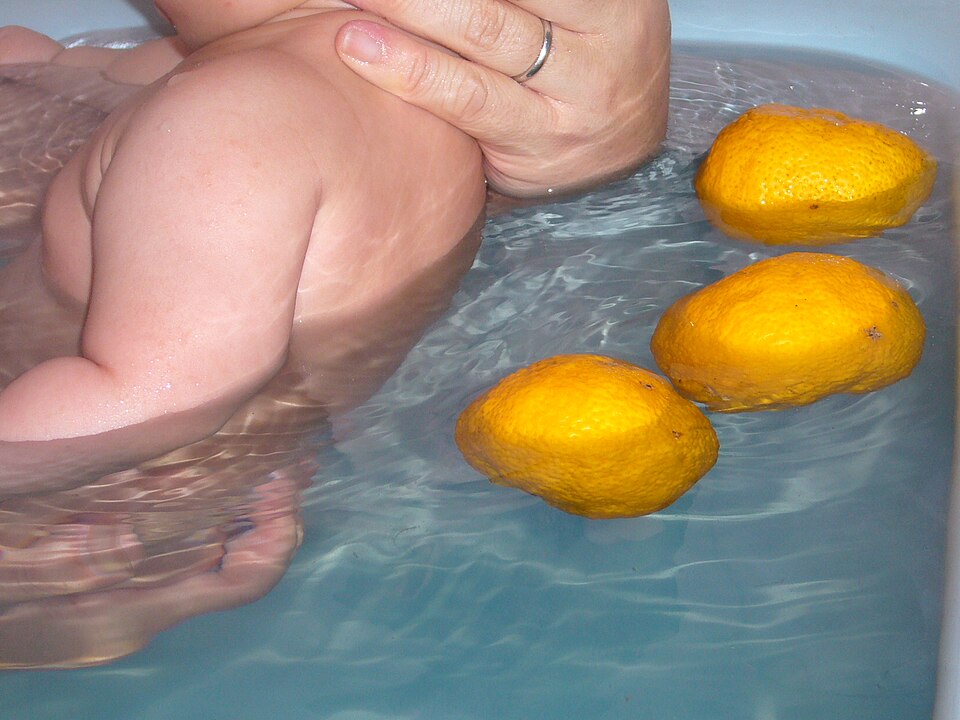
On tōji — the winter solstice, the longest night of the year — households and public bathhouses across Japan run a yuzu-yu: a hot bath with whole yuzu bobbing on the surface. You get in, the heat opens the peels, the whole room goes bright and citrusy, and you are said to be protected from colds for the coming year. There’s a lovely pun buried in it too: tōji, the solstice, sounds like tōji, the old word for a hot-spring cure — and yuzu echoes yūzū, meaning “getting along easily with things.”
Which, if you were designing a holiday specifically for capybaras, is a fairly on-the-nose brief.
The bath was an accident
Here is the best part of the story. Nobody sat down and invented the capybara onsen. It was discovered.
The tale comes from Izu Shaboten Zoo in Itō, on the Izu Peninsula — a hot-spring region to begin with. In the early 1980s, so the story goes, keepers were hosing down the capybara enclosure with warm water, and a puddle of it collected in a hollow. The capybaras looked at the warm puddle. The capybaras got in the warm puddle. The capybaras declined, with tremendous conviction, to get back out.
Somebody at that zoo was paying attention, and instead of shrugging it off they built the animals a proper heated bath. The capybara rotenburo — the capybara open-air hot spring — has been a winter fixture ever since, and the idea spread to zoos all across the country.

Why it works so well
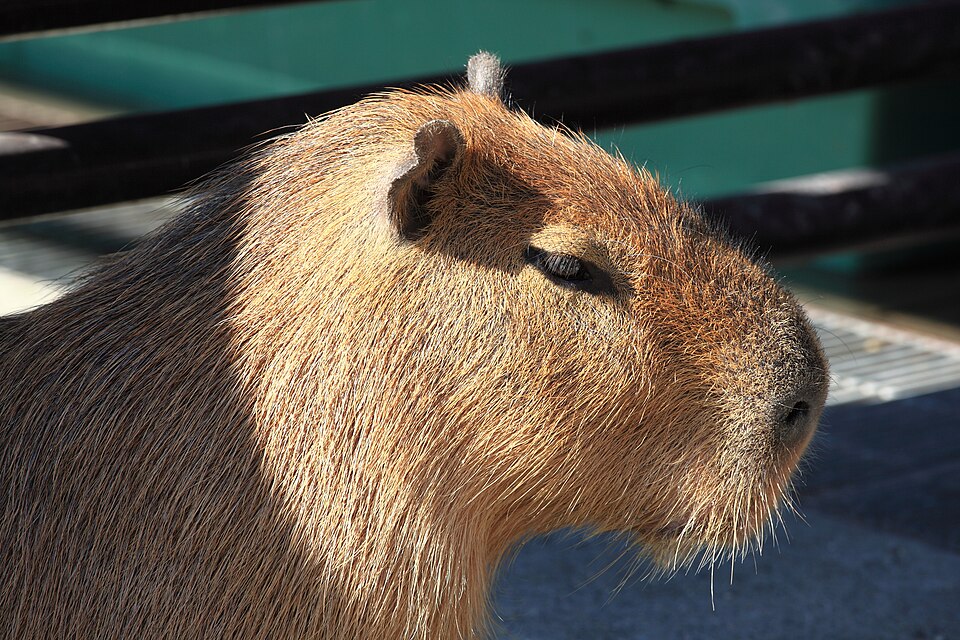
It isn’t only charming — it’s sensible husbandry. Capybaras come from the wetlands and flooded grasslands of South America. They are built for warm water: partly webbed feet, and eyes, ears and nostrils parked high on the skull so they can hover at the surface like a very calm periscope. A Japanese winter is not what their body plan had in mind. A hot bath closes that gap.
And because a capybara at rest is the most agreeable animal in the known universe, the bath turns into a small public ceremony. Crowds come. Steam rises. Someone tips in a basket of yuzu. A capybara slides down until only a nose and two half-shut eyes are above the waterline, and an entire viewing platform of humans goes quiet and happy at the same time.

The nice thought to end on
We love this one because of the shape of it. A country already had a small, old, gentle midwinter custom: when the night is at its longest, get in some hot water with a fragrant fruit and be kind to yourself. Then some zookeepers noticed that the capybaras had independently arrived at exactly the same conclusion — and rather than stopping them, they cut the animals in on the tradition.
That’s it. That’s the whole story. Somewhere in Japan tonight, steam is coming off a wooden tub, a dozen yuzu are drifting slowly in circles, and the world’s largest rodent is up to its chin in it, eyes closed, entirely at peace.
If you needed permission to take a long warm bath this week: consider it granted, by a capybara. ♨️🍊
(If you’re now curious how an animal gets this relaxed in the first place, we went into the biology of capybara chill in The Animal Everyone Seems to Get Along With.)


