

Here is a thing that happens on Earth, in the present day, without anyone arranging it.
You are walking through the woodland of northern Mozambique. You make a sound — a low trilled “brrr-hm”, the one your parents taught you. And out of the trees comes a small brown bird, roughly sparrow-sized and entirely wild, which flies up close, chatters at you, and then flits off a little way and waits.
You follow it. It goes further and waits again. You follow again. And after a few hundred metres of this — the bird leading, you walking, both of you clearly working on the same project — it stops, and there, in a tree, is a wild bees’ nest absolutely stuffed with honey. 🍯
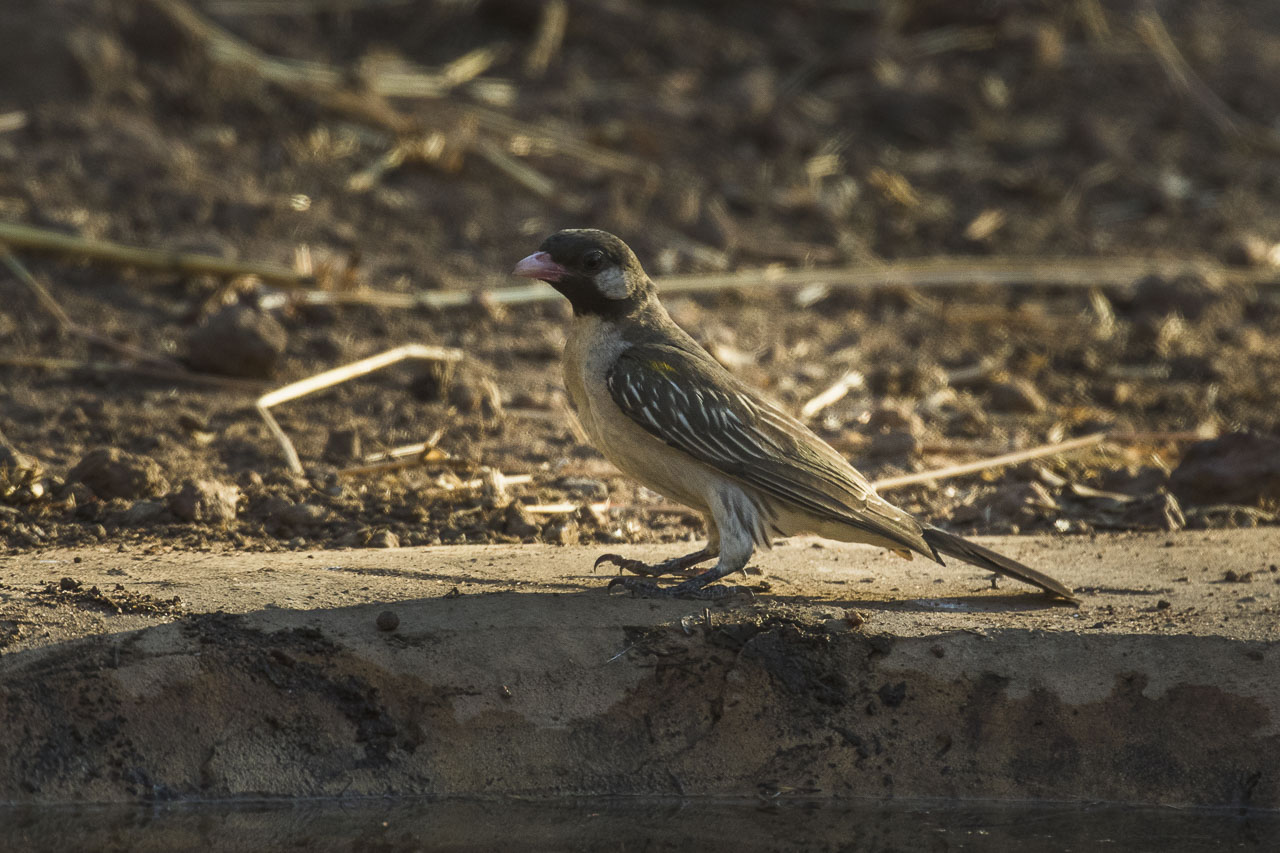
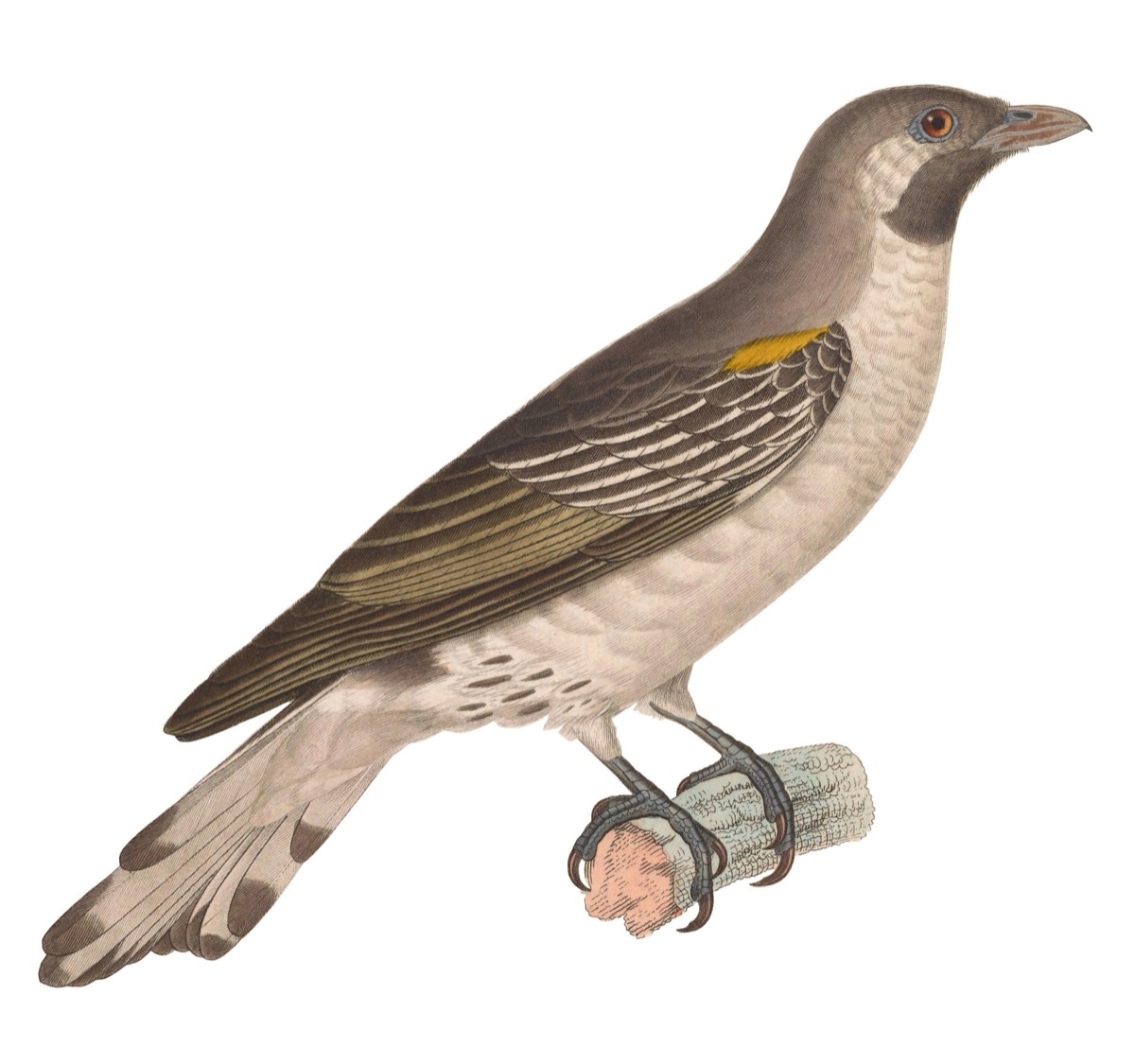
The bird is the greater honeyguide, Indicator indicator, which has to be one of the most on-the-nose scientific names ever assigned to an animal. And this partnership is real, ancient, and one of only a handful of genuinely cooperative relationships between wild animals and humans anywhere on the planet.
The deal
It’s a straight trade, and both sides are good for it.
That last one is the quiet marvel. Beeswax is close to inedible for almost every animal alive — and honeyguides eat it happily. So the two species aren’t even competing. The humans want the sweet stuff; the bird wants the container. Everybody leaves the tree satisfied.
Now here’s the part that got me
For a long time we knew the birds guided people. What we did not know was whether the birds were paying attention to which people.
In December 2023, Claire Spottiswoode and Brian Wood published a paper in Science — “Culturally determined interspecies communication between humans and honeyguides” — and the answer is: yes. Very much yes.
Different human cultures summon honeyguides with different signals, learned from their parents like any other piece of local tradition:
- The Yao honey-hunters of the Niassa Special Reserve in Mozambique use a loud trilled “brrr-hm”.
- The Hadza of Tanzania use a melodic whistle.
Both work. Both are hundreds of kilometres apart. And when the researchers played each call to honeyguides in each region, the birds were about twice as likely to cooperate with the call belonging to their local humans than with the foreign one. 📈
The team built this from recordings of 131 honey-hunters across 13 villages — a genuinely enormous amount of walking about in the bush with a microphone.
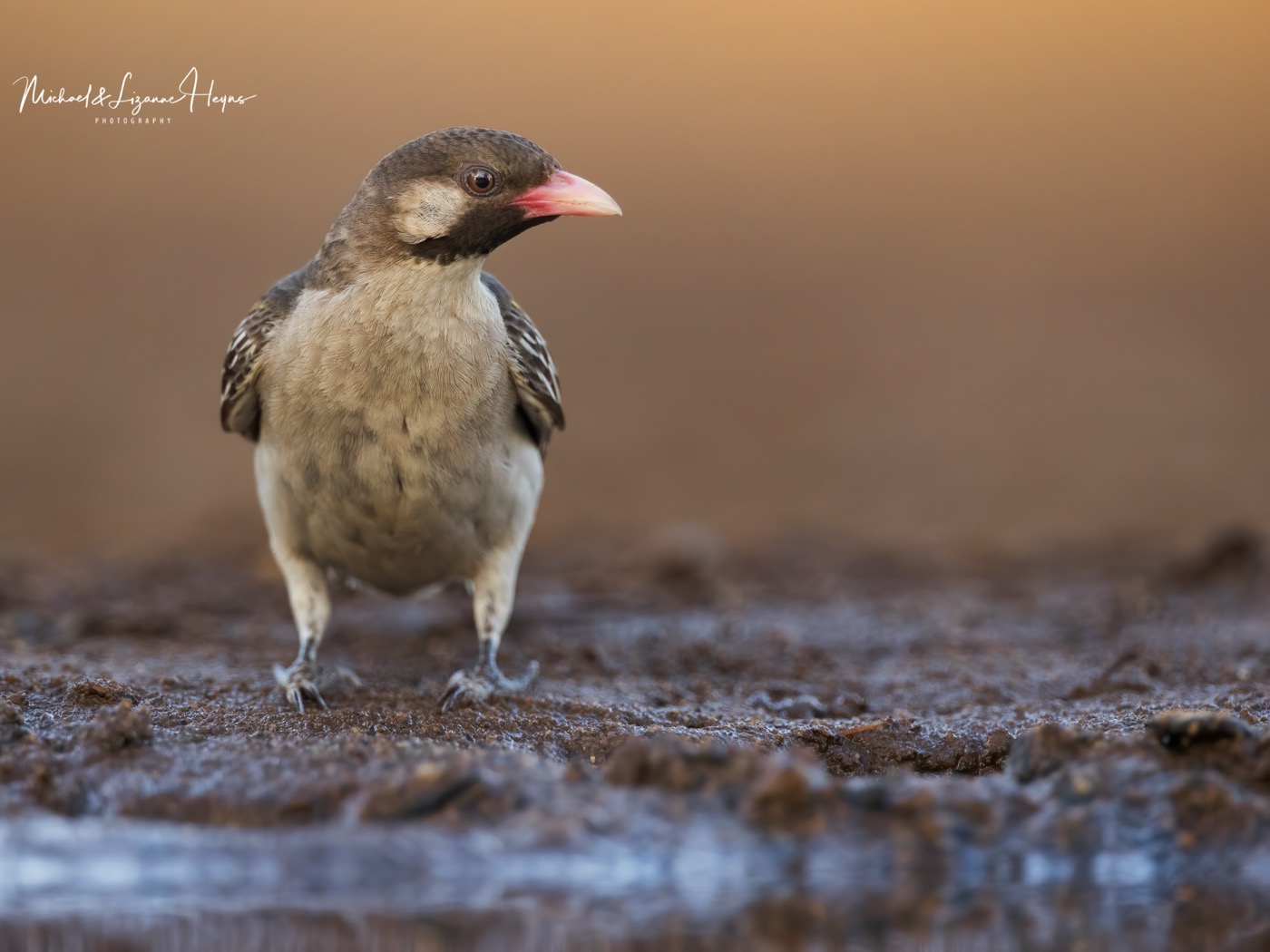
So the honeyguide isn’t just responding to “human noise”. It has learned the local human dialect — the accent of the particular culture it grew up alongside — and it treats that accent as the reliable one. A wild bird, with no training, no captivity and no reward from us beyond wax, has picked up a piece of human cultural knowledge and passed it down its own generations.
Two species, each maintaining their half of a shared tradition. Neither one in charge.
An old, old arrangement
Nobody domesticated this bird. Nobody could. There’s no breeding programme, no feeding station, no falconer’s glove. Every honeyguide that helps a person is a wild animal that has independently worked out that these particular loud upright mammals are excellent at opening trees, and that it’s worth flying over to tell them about it.
The honey-hunters, for their part, are keeping their end going too. The call gets taught. The wax gets left. The partnership survives because both sides keep showing up.
Why this lives on a good-news blog
Because it’s a conversation between two species, and both of them are fluent.
We spend a lot of effort wondering whether we could ever talk to animals. Meanwhile, in Mozambique, someone whistles a phrase their grandmother taught them, a wild bird that owes us nothing answers back, and the two of them walk off into the woodland together to go find some honey — an arrangement so old and so ordinary that the only surprising thing about it is that it took us until 2023 to check whether the bird had an accent.
It did. 🍯🐦💛
If you liked this, the humans have a version too — see the island where people talk by whistling.


