

Welcome back to Crazy Snacks, the recurring segment where we throw a little party for the foods that look at “normal” and say absolutely not. We’ve done wasabi KitKats, salty licorice, honey-butter chips, a gummy that lies about being macaroni, and a British beef pie reincarnated as a stackable crisp. Today we’re going somewhere braver. 🐟
This is the boss-level volume: six foods that greet you with a warning — a smell, a texture, a color, a legend — and then turn out to be somebody’s absolute favorite thing in the world. Deep breath. Let’s go.
1. Surströmming: the can that fights back 🐟
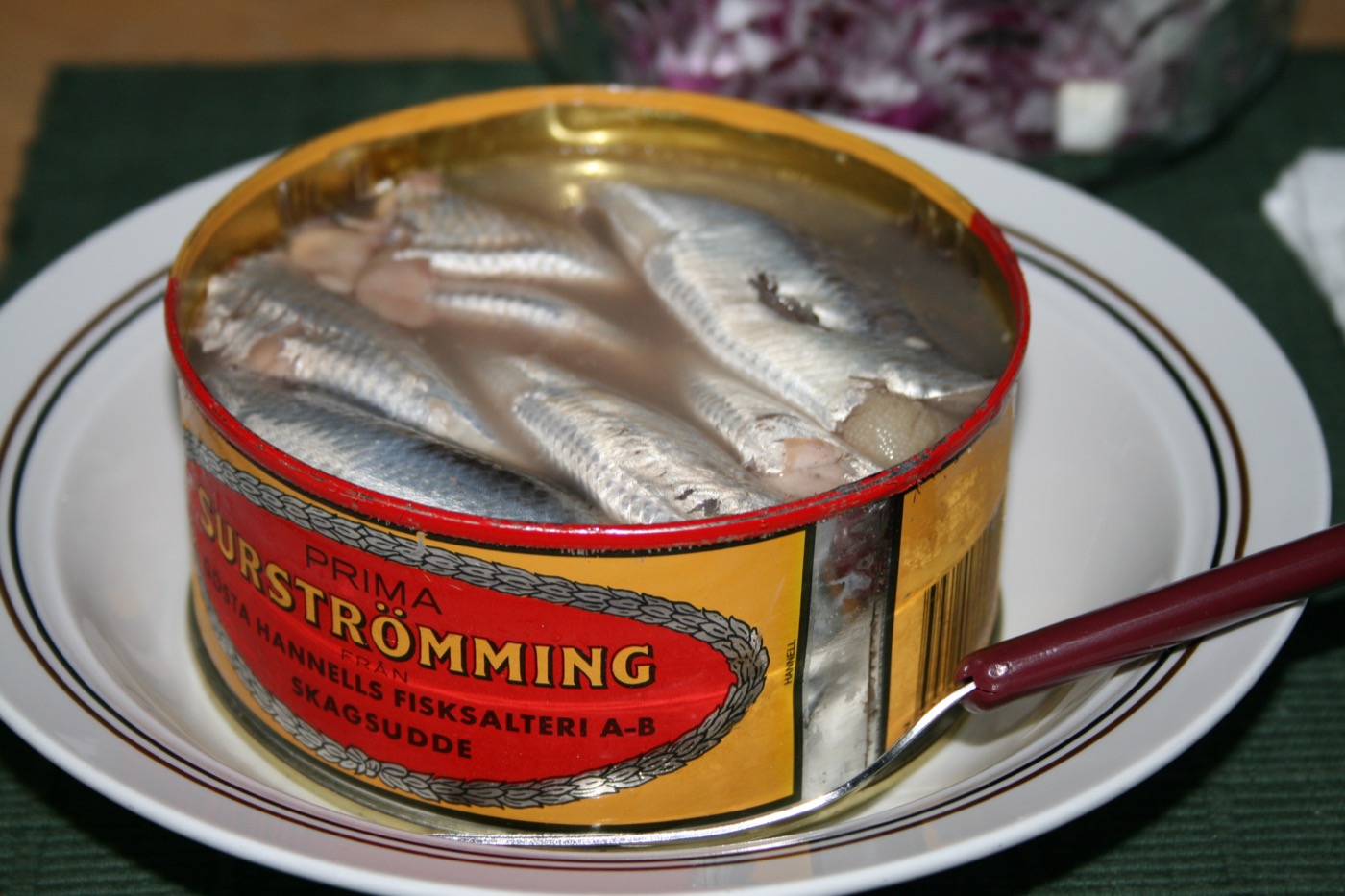
In northern Sweden, surströmming is Baltic herring that’s been lightly salted and then left to ferment inside a sealed can. The fermentation keeps going after the tin is closed, which builds up pressure until the can visibly bulges — a snack so alive it swells its own packaging. Airlines have been known to refuse it. Veterans open the can underwater or well outside, because the aroma, once released, is committed.
And yet: Swedes hold whole surströmmingsskiva parties around it every August. The move is to lay a fillet on tunnbröd (thin flatbread) with butter, potato, and diced onion, roll it up, and eat it like the delicacy it genuinely is. The smell is the toll booth. The taste — sharp, briny, savory — is the destination.
2. Chapulines: the crunchiest way to eat lime 🦗
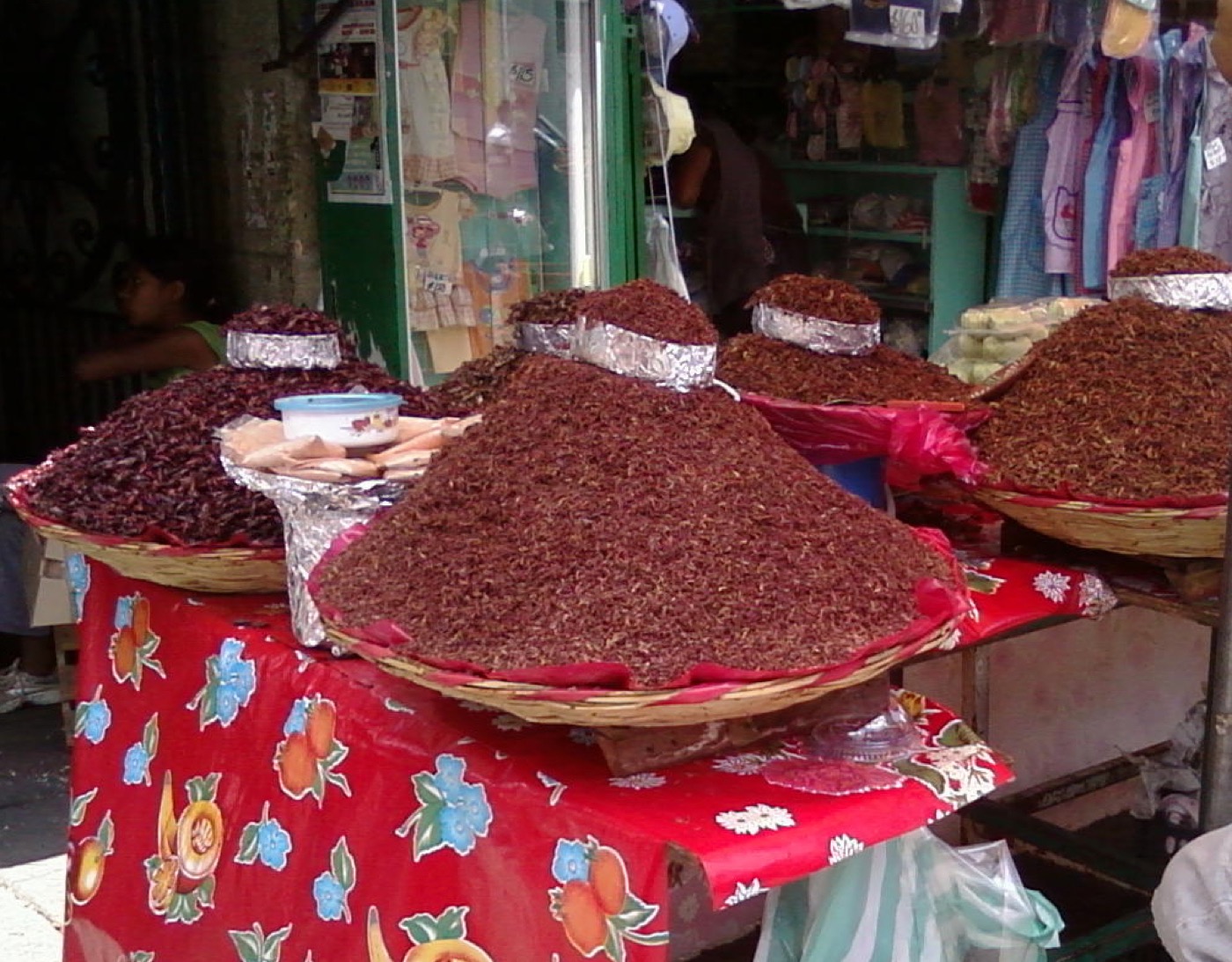
Down in Oaxaca, Mexico, one of the great market snacks is a heap of chapulines — grasshoppers, toasted on a hot comal and tossed with garlic, lime juice, salt, and chili. They come out crunchy, sour, a little smoky, and stained a cheerful chili red. People fold them into tacos, sprinkle them over guacamole, or just grab a handful.
Here’s the plot twist the West is slowly catching up to: they’re a fantastic food. Grasshoppers are packed with protein, they’re gathered from the fields (where they’d otherwise munch the crops), and turning a garden pest into a lime-dusted delicacy is the kind of tidy, delicious cleverness humans are quietly great at. 🦗
3. Century egg: the egg that time forgot (on purpose) 🥚
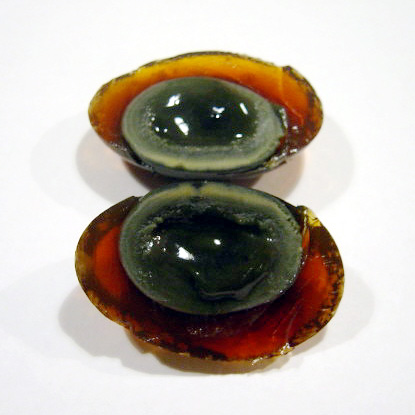
The century egg (皮蛋, pídàn) is a Chinese classic that looks, to the uninitiated, deeply alarming: the white has turned a translucent amber-brown jelly and the yolk a creamy jade-grey. It looks a thousand years old. It is not. It’s a duck (or chicken, or quail) egg cured for a few weeks to a few months in a mix of clay, ash, salt, and quicklime — an alkaline bath that transforms the egg without ever cooking it.
The result is silky, rich, faintly sulfurous in the best umami way, and utterly beloved — sliced over congee, paired with pickled ginger, or diced into cold tofu. It’s proof that with a little patience and some ash, an egg can become jewelry you can eat. 🥚
4. Hákarl: the shark you have to un-poison first 🦈
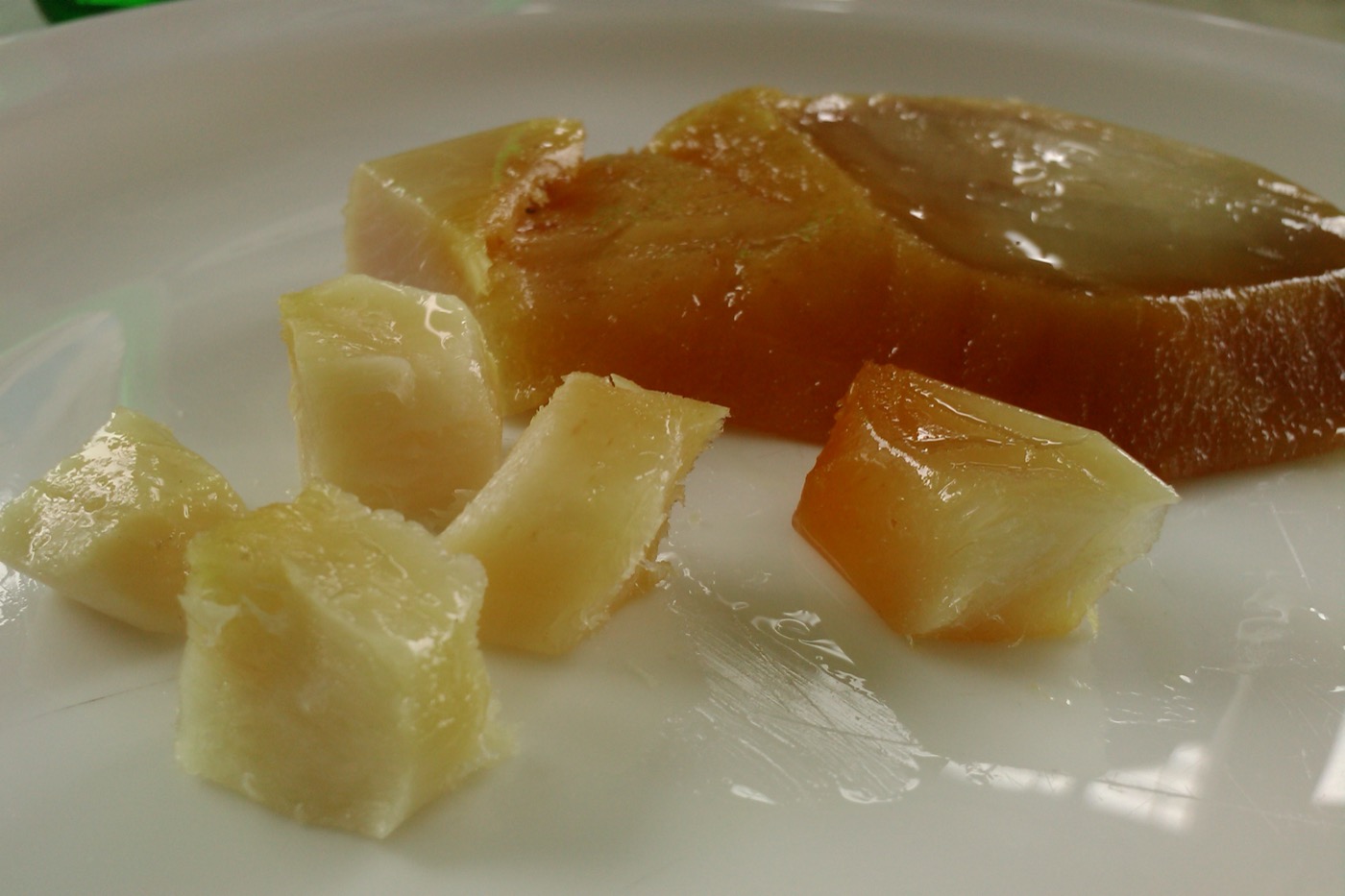
This one’s my favorite because it’s basically survival chemistry. Greenland shark meat is toxic when fresh — it’s loaded with urea and other compounds that would make you very sorry. So generations ago, Icelanders figured out that if you ferment the meat for weeks and then hang it to dry for months, those compounds break down and the shark becomes safe to eat. They turned an inedible animal into a national delicacy through sheer stubborn ingenuity.
The finished hákarl is served in little cubes, smells strongly of ammonia, and is traditionally chased with a shot of the caraway schnapps brennivín (nicknamed “black death”). It’s a taste of the North Atlantic and a monument to human problem-solving — someone, centuries ago, refused to let a whole food go to waste. 🦈
5. Durian: the king wears a warning label 👑
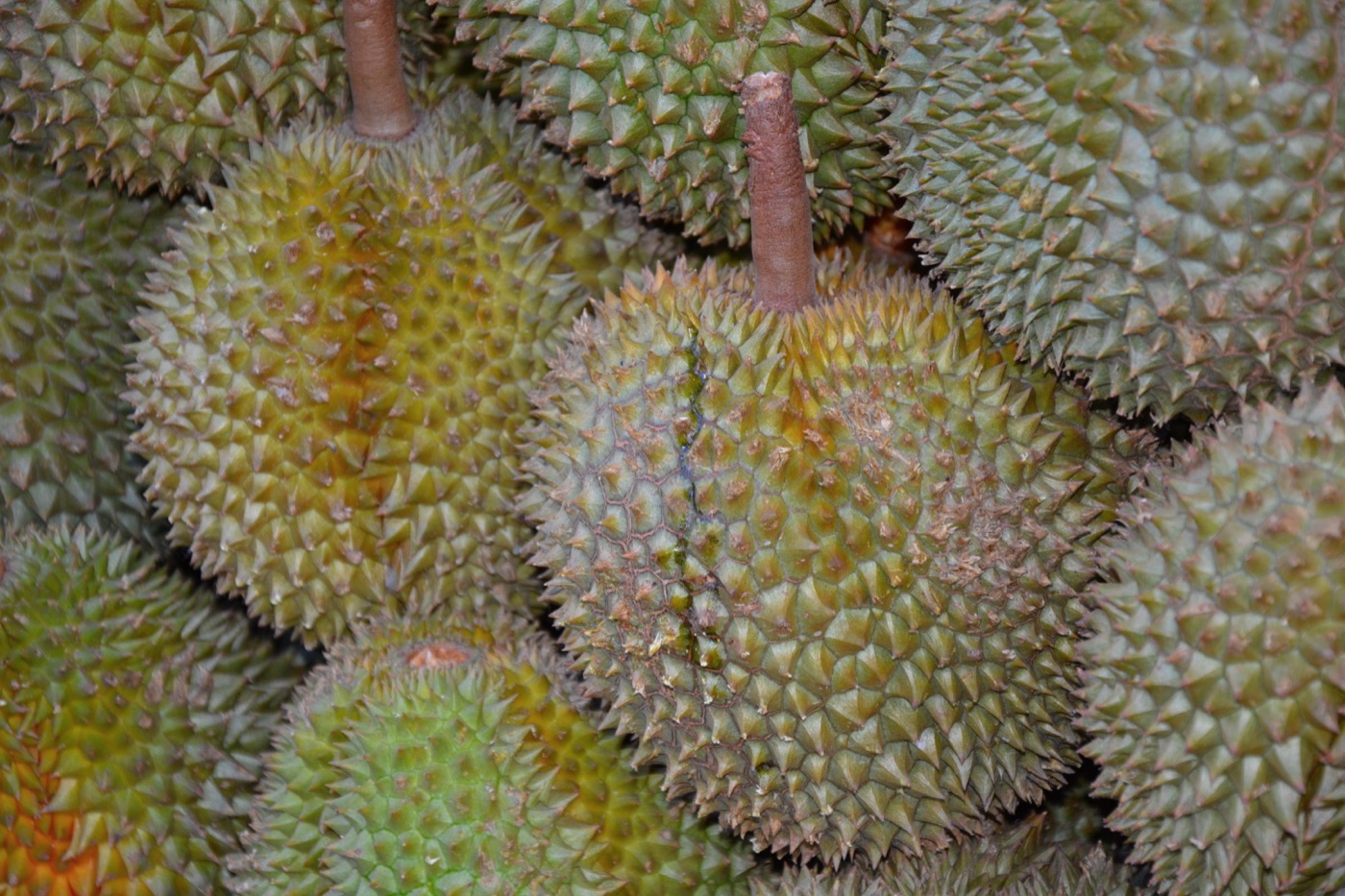
Across Southeast Asia, the durian is crowned the “king of fruits” — a spiky green cannonball the size of a rugby ball, hiding pods of soft, custardy, intensely sweet flesh inside. Devotees line up for the good ones the way people queue for concert tickets. It’s blended into ice cream, whipped into cakes, and eaten fresh off a newspaper on the sidewalk.
It also has a reputation. The aroma is so powerful and polarizing that durian is banned on many Singapore trains, in hotels, and on plenty of flights — you’ll find the little “no durian” pictogram right next to “no smoking.” A fruit so beloved it earned a crown and so pungent it earned a ban sign. Only one food pulls off both. 👑
6. Vegemite: a jar of concentrated Australia 🇦🇺
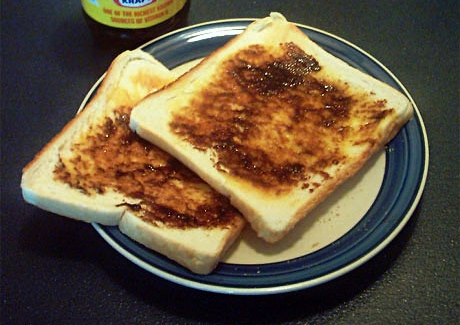
We’ll cool down with the gentlest of the bunch — though tourists rarely agree on first bite. Vegemite is a thick, dark, salty spread made from leftover brewer’s yeast, invented in Australia in 1922 when a chemist named Cyril Callister was asked to make something useful out of the stuff breweries threw away. It’s savory, intensely umami, and absolutely a national treasure Down Under.
The one rule everybody outside Australia breaks: spread it thin. A visitor slathers it on like peanut butter, recoils, and declares war. An Australian butters the toast, adds a whisper of Vegemite, and calls it breakfast. Same jar, two completely different snacks — the difference is just knowing how it’s meant to be loved. 🇦🇺
Why this is on a good-news blog
Because every single food up there started as a problem — a fish that would spoil, a shark that would poison you, a pest eating the crops, an egg with no fridge in sight, a brewery’s waste bin, a fruit that clears a room. And in every case, somebody looked at the problem, got curious, got patient, and turned it into something a whole culture now loves. That’s not weirdness. That’s people refusing to waste anything, and finding delight on the far side of “eww.”
The smell is just the doorbell. Behind it is somebody’s grandmother, somebody’s festival, somebody’s Tuesday. And somewhere right now, someone is fermenting, curing, or toasting a thing so gloriously improbable it’ll headline Crazy Snacks, Vol. 5. 🐟💛
Got a gloriously unhinged snack from your corner of the world? Sign the guestbook and tell us — best ones go in the next volume. Catch up any time: Vol. 1, Vol. 2 and Vol. 3. 🍿


